Key Rule: Use only the letters you have learned so far.
WEEK 1 기본 자모 → 조합 → 단어 → 받침 없는 문장 Learn basic consonants and vowels, combine them into syllables, build simple words, and read short sentences without final consonants.
DAY 1
기본 자음 듣고 읽기 · 자음 + ㅏ 만들기
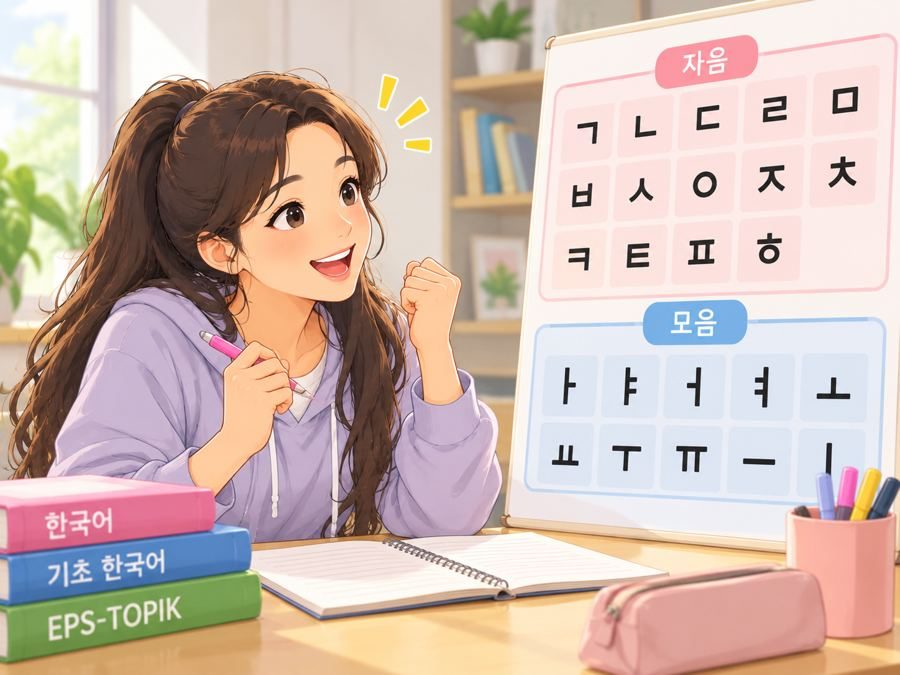
오늘은 한글의 기본인 자음을 공부합니다. 자음의 모양과 이름을 듣고 따라 읽은 뒤, 조합판에서 모음과 연결하여 실제 소리를 만듭니다. Today, we will study the basic Korean consonants. Listen to the shape and name of each consonant, repeat them, and then connect them with a vowel on the combination board to make real syllable sounds.
30분 · Review → Learn → Practice → Apply → Speak → Check 30 minutes · Review → Learn → Practice → Apply → Speak → Check
1. 자음 듣고 읽기 · Listen & read consonants
14개 기본 자음의 모양, 이름, 소리를 익힙니다. Learn the shape, name, and sound of the 14 basic consonants.
자음 상자를 눌러 이름을 듣고 → 공책에 3번 쓰기 → 자음 이름을 말합니다. Tap a consonant card to hear its name → write it three times → say the consonant name aloud.
시간이 부족하면 쓰기는 수업 후 과제로 해도 됩니다. If time runs short, do the writing after class.
ㄱㄴㄷㄹㅁㅂㅅㅇㅈㅊㅋㅌㅍㅎ
3. 자음 + ㅏ 만들기 · 조합판 · Build consonant + ㅏ
오늘은 자음과 ㅏ를 조합하여 음절을 만듭니다. Today, combine each consonant with ㅏ to build syllables.
조합판에서 자음을 하나씩 바꾸고 각 음절의 발음표기를 확인하세요. Change the consonant and check the pronunciation guide for each syllable.
자음 + 모음 조합판 · 자음과 모음을 하나씩 눌러 음절을 만들고 아래 발음표기를 확인하세요. Build a syllable and check the pronunciation guide below it.
① 자음을 선택하세요 · Choose a consonant② 모음을 선택하세요 · Choose a vowel
Listen and compare
두 소리를 번갈아 듣고 첫소리의 차이를 구별합니다. Listen to each pair and notice the difference in the initial consonant sound.
사savs자ja바bavs파pa
4. 듣기·읽기 확인 — 총 5문제 · Listening & reading check
듣기·읽기 확인 — 총 5문제Listening & Reading Check — 5 questions
1. 🔊 듣기 — 들리는 자음을 고르십시오.Listen and choose the consonant you hear.
2. 🔊 듣기 — 들리는 자음을 고르십시오.Listen and choose the consonant you hear.
3. 다음 자음을 보고 이름을 말해 보십시오: ㅅLook at the consonant and say its name: ㅅ.
ㅅ
정답: 시옷
4. 다음 음절을 소리 내어 읽어 보십시오.Read the following syllables aloud.
다라자카하
정답: 다, 라, 자, 카, 하
5. 다음 자음과 모음을 합쳐 읽어 보십시오.Combine the consonant and vowel, then read it aloud.
ㅁ + ㅏ → ?
정답: 마
Master Check
□ 14개 기본 자음의 이름을 듣고 고를 수 있다. I can hear and choose the 14 basic consonants.
□ 자음 + ㅏ 음절을 읽을 수 있다. I can read consonant + ㅏ syllables.
DAY 2
기본 모음 10개 + 음절 만들기
전날 복습 후 기본 모음 10개를 배우고 조합판에서 자음과 연결합니다.After reviewing yesterday, learn the 10 basic vowels and connect them with consonants on the combination board.
30분 · Review → Learn → Practice → Apply → Speak → Check 30 minutes · Review → Learn → Practice → Apply → Speak → Check
1. 어제 복습 · 핵심만 3–5분 · Review
① 핵심 자음 4개를 눌러 듣고 이름을 말하세요.Tap each consonant, listen to the name, and say the name by yourself.
ㄱ이름 듣기 · 말하기ㄴ이름 듣기 · 말하기ㅁ이름 듣기 · 말하기ㅅ이름 듣기 · 말하기
② 모양만 보고 이름을 말하세요.Look at the shapes without listening first. Say each consonant name aloud.
ㄱㅁㅅㄴ
③ 자음 + ㅏ 2개를 읽으세요.Read these two consonant + ㅏ syllables aloud by yourself.
가ga마ma
2. 기본 모음 10개 · 10 basic vowels
기본 모음 10개의 소리를 듣고 따라 읽습니다. Listen to the 10 basic vowels and repeat them.
ㅏaㅑyaㅓeoㅕyeoㅗoㅛyoㅜuㅠyuㅡeuㅣi
이중모음은 2주차에 시작합니다. Diphthongs will begin in Week 2.
3. 자음 + 모음 만들기 · 조합판 · Build syllables
자음과 모음을 하나씩 선택하여 음절을 만듭니다. Choose one consonant and one vowel to build a Korean syllable.
오늘은 ㅏ, ㅑ, ㅓ, ㅕ, ㅗ, ㅛ, ㅜ, ㅠ, ㅡ, ㅣ까지 모두 조합합니다. Today, combine all 10 basic vowels from ㅏ through ㅣ.
자음 + 모음 조합판 · 자음과 모음을 하나씩 눌러 음절을 만들고 아래 발음표기를 확인하세요. Build a syllable and check the pronunciation guide below it.
① 자음을 선택하세요 · Choose a consonant② 모음을 선택하세요 · Choose a vowel
Listen and compare
두 소리를 번갈아 듣고 모음 소리의 차이를 구별합니다. Listen to each pair and notice the difference in the vowel sound.
어eovs오o으euvs우u
4. 듣기·읽기 확인 — 총 5문제 · Listening & reading check
듣기·읽기 확인 — 총 5문제Listening & Reading Check — 5 questions
1. 🔊 듣기 — 들리는 자음을 고르십시오.Listen and choose the consonant you hear.
2. 🔊 듣기 — 들리는 모음을 고르십시오.Listen and choose the vowel you hear.
3. 다음 음절을 소리 내어 읽어 보십시오.Read the following syllables aloud.
거노무리
정답: 거, 노, 무, 리
4. 다음 중 ㅕ가 들어 있는 음절을 고르십시오.Choose the syllable that contains ㅕ.
5. 다음 자음과 모음을 합쳐 읽어 보십시오.Combine the consonant and vowel, then read it aloud.
ㄴ + ㅗ → ?
정답: 노
Master Check
□ 기본 모음 10개를 듣고 구별할 수 있다. I can hear and tell apart the 10 basic vowels.
□ 자음 + 모음 음절을 읽을 수 있다. I can read consonant + vowel syllables.
쓰기 · Writing
기본 모음 10개를 각각 3번 쓰고, 조합판에서 자음 하나와 연결해 소리 내어 읽습니다. Write each of the 10 basic vowels three times, then connect each one with a consonant on the board and read the syllable aloud.
ㅏㅑㅓㅕㅗㅛㅜㅠㅡㅣ
DAY 3
다양한 자음 + 모음 만들기 · 낱말 만들기
교·규·야·려·류처럼 어려운 조합을 익히고 조합판에서 다양한 음절을 만든 뒤 낱말로 연결합니다. Master difficult combinations such as 교, 규, 야, 려, and 류, build varied syllables on the combination board, and connect them to words.
30분 · Review → Learn → Practice → Apply → Speak → Check 30 minutes · Review → Learn → Practice → Apply → Speak → Check
1. 어제 복습 · 3–5분 · Review
어제 배운 내용에서 아래 3가지만 다시 확인합니다. 먼저 혼자 말하고, 🔊 버튼으로 확인하세요. Review only these three items from yesterday. Say them by yourself first, then check with the audio.
① 모음 4개Four vowels
ㅗoㅜuㅓeoㅏa
② 자음 + 모음 4개Four consonant + vowel combinations
거geo노no무mu리ri
③ 짧은 음절 2개Two short syllables
버beo수su
2. 어려운 조합 집중 · 10개 · 10 tricky combinations
듣기 → 따라 읽기 → 다시 듣기 → 혼자 읽기 순서로 연습합니다. Practice in this order: listen → repeat → listen again → read by yourself.
교gyo규gyu야ya려ryeo류ryu겨gyeo녀nyeo뇨nyo여yeo유yu
3. 자음 + 모음 만들기 · 조합판 · Build syllables
조합판에서 자음과 모음을 섞어 오늘의 6개 조합을 직접 만들어 보세요. Use the combination board to mix consonants and vowels and build today's six target syllables.
자음 + 모음 조합판 · 자음과 모음을 하나씩 눌러 음절을 만들고 아래 발음표기를 확인하세요. Build a syllable and check the pronunciation guide below it.
① 자음을 선택하세요 · Choose a consonant② 모음을 선택하세요 · Choose a vowel
겨gyeo야ya보bo수su미mi차cha
오늘의 조합에 맞춰 낱말 6개를 읽습니다. Read six words that contain today's target syllables.
두 소리를 번갈아 듣고 첫소리의 차이를 구별합니다. Listen to each pair and notice the difference in the initial consonant sound.
거geovs커keo다davs타ta
4. 듣기·읽기 확인 — 총 5문제 · Listening & reading check
듣기·읽기 확인 — 총 5문제Listening & Reading Check — 5 questions
1. 🔊 듣기 — 들리는 낱말을 고르십시오.Listen and choose the word you hear.
2. 다음 낱말 중 ㅁ으로 시작하는 것을 고르십시오.Choose the word that starts with ㅁ.
3. 다음 낱말 중 ㅑ가 들어 있는 것을 고르십시오.Choose the word that contains ㅑ.
4. 다음 중 ‘repair’를 뜻하는 낱말을 고르십시오.Choose the word that means “repair.”
5. 다음 음절을 합쳐 낱말을 완성하십시오: 보 + 리 → ?Combine the syllables and complete the word.
5. 읽기 · Read & Record
겨우 · 야구 · 보리 · 수리 · 미소
먼저 읽고 녹음하세요. / Read first, then record.
6. 말하기 · Speak
뜻을 보고 먼저 한국어로 말한 뒤 녹음하세요. Look at the meaning, say it in Korean first, then record.
baseball
먼저 말하고 녹음하세요. / Say it first, then record.
Master Check
□ ㅑ ㅕ ㅛ ㅠ가 들어간 음절을 읽을 수 있다. I can read syllables with ㅑ, ㅕ, ㅛ, and ㅠ.
□ 오늘 낱말 5개(겨우·야구·보리·수리·미소)를 읽을 수 있다. I can read today’s five words.
쓰기 · Writing
오늘의 어려운 조합 10개와 낱말 6개를 한 번씩 쓰고 소리 내어 읽습니다. Write each of the 10 difficult combinations and 6 words once, then read them aloud.
교규야려류겨녀뇨여유겨우야구보리수리미소차
DAY 4
낱말 읽기 → 받침 없는 문장 읽기
배운 자모를 골고루 섞어 낱말을 읽고 받침 없는 짧은 문장으로 연결합니다. Read words that mix the learned letters evenly, then connect them to short sentences without final consonants.
30분 · Review → Learn → Practice → Apply → Speak → Check 30 minutes · Review → Learn → Practice → Apply → Speak → Check
1. 어제 복습 · Review
어제 배운 어려운 조합 4개와 낱말 2개를 다시 읽습니다. Review four difficult combinations and two words from yesterday.
교규야려
겨우야구
2. 낱말 조합 · 자음 + 모음 조합판 · Build words
조합판에서 낱말에 필요한 음절을 먼저 만들어 보고, 그다음 낱말 전체를 읽습니다. First build the syllables you need on the combination board, then read the whole word.
자음 + 모음 조합판 · 자음과 모음을 하나씩 눌러 음절을 만들고 아래 발음표기를 확인하세요. Build a syllable and check the pronunciation guide below it.
① 자음을 선택하세요 · Choose a consonant② 모음을 선택하세요 · Choose a vowel
낱말에는 ㅑ, ㅕ, ㅠ, ㅡ가 골고루 포함되어 있습니다. The word practice includes ㅑ, ㅕ, ㅠ, and ㅡ in a balanced mix.
Listen and compare
두 소리를 번갈아 듣고 첫소리의 차이를 구별합니다. Listen to each pair and notice the difference in the initial consonant sound.
보bovs포po자javs차cha
3. 받침 없는 문장 읽기 · Read simple sentences
낱말을 짧은 문장으로 연결하고, 문장 전체를 듣고 따라 읽습니다. Connect the words into short sentences and listen to and repeat each full sentence.
아이가 자요.aiga jayoThe child sleeps.
아기가 가요.agiga gayoThe baby goes.
오리가 커요.origa keoyoThe duck is big.
누나가 자요.nunaga jayoOlder sister sleeps.
4. 듣기·읽기 확인 — 총 5문제 · Listening & reading check
듣기·읽기 확인 — 총 5문제Listening & Reading Check — 5 questions
1. 🔊 듣기 — 들리는 낱말을 고르십시오.Listen and choose the word you hear.
2. 다음 중 ‘country’를 뜻하는 낱말을 고르십시오.Choose the word that means “country.”
3. ‘sleeps’에 맞는 낱말을 고르십시오.Choose the Korean word that means “sleeps.”
4. 다음 낱말 중 ㅡ가 들어 있는 것을 고르십시오.Choose the word that contains ㅡ.
5. ‘The baby goes.’에 맞는 문장을 고르십시오.Choose the sentence that means “The baby goes.”
5. 읽기 · Read & Record
아기가 가요. 누나가 자요.The baby goes. My older sister sleeps.
먼저 읽고 녹음하세요. / Read first, then record.
6. 말하기 · Speak
뜻을 보고 먼저 한국어로 말한 뒤 녹음하세요. Look at the meaning, say it in Korean first, then record.
The child sleeps.
먼저 말하고 녹음하세요. / Say it first, then record.
Master Check
□ 받침 없는 낱말을 읽고 뜻을 안다. I can read words without final consonants and know their meaning.
□ 받침 없는 짧은 문장을 읽을 수 있다. I can read short sentences without final consonants.
쓰기 · Writing
오늘의 낱말 10개를 한 번씩 쓰고, 4개 문장을 소리 내어 읽습니다. Write the 10 words once and read the four sentences aloud.
가수야구겨우요리우유크다느리다머리나라오리
DAY 5
1주차 통합 읽기 · 듣기 · 말하기
자음·모음 인식을 확인하고 조합판, 낱말, 문장을 한 흐름으로 연결합니다. Check consonant and vowel recognition and connect the combination board, words, and sentences in one learning flow.
30분 · Review → Learn → Practice → Apply → Speak → Check 30 minutes · Review → Learn → Practice → Apply → Speak → Check
1. 핵심 복습 · 3–5분 · Key review
① 자음 3개 → ② 모음 4개 → ③ 음절 3개 → ④ 낱말 2개
Tap → listen → say it without looking.
2. 자음 + 모음 조합판 통합 연습 · Combination practice
조합판에서 지금까지 배운 범위 안에서 6개 음절을 직접 만들고 읽습니다. Use the combination board to mix consonants and vowels, then build and read six syllables.
자음 + 모음 조합판 · 자음과 모음을 하나씩 눌러 음절을 만들고 아래 발음표기를 확인하세요. Build a syllable and check the pronunciation guide below it.
① 자음을 선택하세요 · Choose a consonant② 모음을 선택하세요 · Choose a vowel
겨gyeo야ya유yu그geu요yo리ri
Listen and compare
두 소리를 번갈아 듣고 모음 소리의 차이를 구별합니다. Listen to each pair and notice the difference in the vowel sound.
너neovs녀nyeo고govs구gu
3. 문장 읽기 · Read sentences
아기가 자요.agiga jayoThe baby sleeps.
아이가 가요.aiga gayoThe child goes.
우리 누나가 가요.uri nunaga gayoMy older sister goes.
4. 듣기·읽기 확인 — 총 5문제 · Listening & reading check
듣기·읽기 확인 — 총 5문제Listening & Reading Check — 5 questions
1. 🔊 듣기 — 들리는 낱말을 고르십시오.Listen and choose the word you hear.
2. 다음 중 ‘baseball’을 뜻하는 낱말을 고르십시오.Choose the word that means “baseball.”
3. ‘My older sister goes.’에 맞는 말을 고르십시오: 우리 누나가 ____.Choose the word that means “goes” to complete the sentence.
4. “류”를 바르게 읽은 것을 고르십시오.
Choose how to read “류”.
5. “아기가 자요.”의 뜻을 고르십시오.
What does “아기가 자요.” mean?
5. 읽기 · Read & Record
아이가 가요. 오리가 커요.The child goes. The duck is big.
먼저 읽고 녹음하세요. / Read first, then record.
6. 말하기 · Speak
뜻을 보고 먼저 한국어로 말한 뒤 녹음하세요. Look at the meaning, say it in Korean first, then record.
My older sister sleeps.
먼저 말하고 녹음하세요. / Say it first, then record.
7. Master Check
자음과 모음의 인식률이 80% 이상인지 확인하고, 80% 미만인 항목만 다음 주 새 학습 전에 재복습합니다. Confirm at least 80% recognition of consonants and vowels; review only the items below 80% before starting new learning next week.
□ 1주차 자음과 모음을 듣고 구별할 수 있다. I can hear and tell apart the Week 1 consonants and vowels.
□ 받침 없는 짧은 문장을 읽고 뜻을 안다. I can read short sentences without final consonants and know their meaning.
쓰기 · Writing
이번 주 어려웠던 자모와 조합만 다시 쓰고, 조합판에서 6개 음절을 만든 뒤 소리 내어 읽습니다. Rewrite the key letters and difficult combinations from Week 1, then build six syllables on the board and read them aloud.
ㅏㅑㅓㅕㅗㅛㅜㅠㅡㅣ겨야유그요리
SATURDAY · WEEK 1 Cumulative Review
월~금에 배운 기본 자음·모음·조합·단어·문장을 한 번에 복습합니다. 오늘은 새로운 내용을 배우지 않습니다. Review the basic consonants, vowels, combinations, words, and sentences from Monday to Friday. No new content today.
배운 자음과 모음을 빠르게 확인합니다. Quickly review the consonants and vowels you have learned.
ㄹㅅㅈㅎㅓㅡㅣ
2. 듣기 · 4분 Listening · 4 min
Q1. 🔊 들리는 자음은 무엇입니까?Which consonant do you hear?
Q2. 🔊 들리는 모음은 무엇입니까?Which vowel do you hear?
Q3. 🔊 들리는 음절과 같은 것은?Which syllable matches what you hear?
Q4. 🔊 들리는 음절과 같은 것은?Which syllable matches what you hear?
3. 구별·선택 · 5분 Distinguish & choose · 5 min
Q5. ㅕ가 들어 있는 음절은 무엇입니까?Which syllable contains ㅕ?
Q6. ‘나라’의 뜻은 무엇입니까?What does ‘나라’ mean?
Q7. 다음 중 ㅛ가 들어 있는 단어는?Which word contains ㅛ?
Q8. 다음 중 ㅅ + ㅏ의 조합은?Which one is ㅅ + ㅏ?
4. 단어·문장 읽기 · 6분 Read words & sentences · 6 min
새로운 글자처럼 보이는 조합도 자음과 모음으로 나누어 읽습니다. Break each syllable into a consonant and vowel, then read it.
랴셔즈
먼저 혼자 읽고, 그다음 음성으로 확인합니다. Read each word by yourself first, then check with the audio.
나라요리우유느리다
아이가 자요.Listen and read.
아이가 가요.Listen and read.
우리 누나가 가요.Listen and read.
Q9. “아이가 가요.”의 뜻은 무엇입니까?What does “아이가 가요.” mean?
5. 말하기 · 5분 Speaking · 5 min
정답을 먼저 보지 말고 직접 읽고 녹음합니다. Read first and record yourself before checking the answer.
나라
먼저 읽고 녹음하세요. 정답은 녹음 후 확인할 수 있습니다. / Read and record first. You can check the answer after recording.
우리 누나가 가요.
먼저 읽고 녹음하세요. 정답은 녹음 후 확인할 수 있습니다. / Read and record first. You can check the answer after recording.
6. 최종 확인·쓰기 · 5분 Final check & writing · 5 min
Q10. “우리 누나가 가요.”의 뜻은?What does “우리 누나가 가요.” mean?
노트에 쓰기 · Writing
오늘 틀린 자음·모음 2개와 낱말 2개를 골라 노트에 각각 3번씩 써 보세요. Choose two letters and two words you missed today and write each one three times.
7. 오답 재학습 · 2분 Review mistakes · 2 min
오늘의 약점 재학습 틀린 문제를 다시 봅니다. 자음 → 모음 → 조합 → 단어 → 문장 중 어려웠던 단계만 다시 연습합니다. Review only the step that caused difficulty: consonant → vowel → combination → word → sentence.
틀린 문제만 다시 풀기 → 해당 글자·낱말·문장 다시 듣기 → 소리 내어 다시 말하기 Redo only the questions you missed → listen again → say it aloud again.
Master Check
아래 5가지를 혼자 할 수 있으면 Week 1 기초를 마친 것입니다. If you can do all five independently, you have completed the Week 1 foundation.
□ 자음을 보고 소리를 말할 수 있다. You can look at a consonant and say its sound.
□ 모음을 듣고 구별할 수 있다. You can listen to vowels and tell them apart.
□ ㄹ + ㅏ → 라처럼 조합할 수 있다. You can combine letters, such as ㄹ + ㅏ → 라.
□ 나라·요리·우유·느리다를 읽을 수 있다. You can read 나라, 요리, 우유, and 느리다. □ “아이가 가요.”와 “우리 누나가 가요.”를 읽고 뜻을 이해할 수 있다. You can read “아이가 가요.” and “우리 누나가 가요.” and understand their meanings.
□ 정답률 80% 미만인 단계는 다음 주 첫 수업 전에 한 번 더 복습합니다.Review any step below 80% accuracy once more before the first lesson next week.
Sunday · Rest 일요일은 쉽니다.
WEEK 2 쌍자음 + 이중모음 → 단어 → 문장 Tense Consonants + Diphthongs → Words → Sentences
DAY 6
쌍자음 · ㄲ ㄸ ㅃ ㅆ ㅉ
기본 자음과 비교하며 ㄲ·ㄸ·ㅃ·ㅆ·ㅉ의 소리를 구별하고 읽습니다. Compare basic consonants with ㄲ, ㄸ, ㅃ, ㅆ, and ㅉ, then read them in syllables and words.
자음과 모음을 하나씩 눌러 음절을 만들어 보세요. 만든 음절의 발음표기도 확인합니다. Select a consonant and a vowel to build a syllable. Check the pronunciation guide.
자음 + 모음 조합판 · Consonant + vowel combination board
① 자음을 선택하세요 · Choose a consonant② 모음을 선택하세요 · Choose a vowel
3. 조합·단어 · Syllables & words
얘yae예ye의ui얘기story의자chair예요is/am/are
이게 뭐예요?ige mwoyeyo?What is this?
의자예요.uija-yeyoIt is a chair.
ㅒ와 ㅖ도 요즘 발음이 거의 같습니다. 글자 모양으로 구별하세요. ㅒ and ㅖ also sound almost the same today. Tell them apart by their shapes.
4. 연습 · Practice
① 다음 중 ㅒ가 들어 있는 글자를 고르세요.Choose the letter that contains ㅒ.
② 🔊 들은 소리와 같은 것을 고르세요.Choose the one you heard.
③ 뜻에 맞는 단어를 고르세요: “chair”Choose the word that means “chair.”
④ ‘얘기’의 뜻을 고르세요.Choose the meaning of ‘얘기’.
⑤ 합치세요: ㅇ + ㅖ → ?Combine: ㅇ + ㅖ → ?
5. 적용 · 말하기 · Apply & speak
다음 세 단어를 순서대로 읽고 녹음하세요: 얘기 → 예요 → 의자. Read the three words in order and record yourself.
얘기 → 예요 → 의자
세 단어를 순서대로 읽고 녹음하세요. / Read the three words in order and record.
6. Master Check
□ ㅒ ㅖ ㅢ가 들어간 글자를 읽을 수 있다. I can read letters with ㅒ, ㅖ, ㅢ.
□ 의자 · 얘기의 뜻을 안다. I know the meanings of 의자 and 얘기.
7. 노트에 쓰기 · Write
ㅒ ㅖ ㅢ를 각각 3번 쓰고, 얘 · 예 · 의를 한 번씩 써 보세요. Write each target letter three times, then write the target syllables/words in your notebook.
DAY 10
2주차 통합 · 쌍자음 + 이중모음
2주차에서 배운 새 자모를 섞어서 읽고 단어와 짧은 문장에 적용합니다. Read the new letters from Week 2 in mixed combinations and apply them to words and short sentences.
30분 · Review → Learn → Mixed Practice → Apply → Speak → Check 30 minutes · Review → Learn → Mixed Practice → Apply → Speak → Check
1. 전체 복습 · Full review
ㄲㄸㅃㅆㅉㅐㅔㅚㅟㅘㅝㅙㅞㅒㅖㅢ
아빠dad토끼rabbit사과apple과자snack의자chair귀ear
2. 혼합 읽기 · Mixed reading
꽈kkwa쐐sswae쭈jju뿌ppu
처음 보는 조합도 자음 + 모음으로 나누어 읽습니다. For a new combination, separate the consonant and vowel, then blend them.
2주차 통합 조합판 · 쌍자음 + 이중모음 · Week 2 board
자음과 모음을 하나씩 눌러 음절을 만들어 보세요. 만든 음절의 발음표기도 확인합니다. Select a consonant and a vowel to build a syllable. Check the pronunciation guide.
자음 + 모음 조합판 · Consonant + vowel combination board
① 자음을 선택하세요 · Choose a consonant② 모음을 선택하세요 · Choose a vowel
3. 연습 · Practice
① 🔊 듣고 같은 음절을 고르세요.Listen and choose the same syllable.
② 다음 중 쌍자음과 이중모음이 함께 있는 것을 고르세요.Choose the one with both a tense consonant and a diphthong.
③ 뜻에 맞는 단어를 고르세요: “rabbit”Choose the word that means “rabbit.”
④ 쌍자음이 없는 낱말을 고르세요.Choose the word with NO tense consonant.
⑤ 다음 단어를 읽고 뜻을 고르세요: 사과Read the word and choose its meaning: 사과
4. 적용 · 문장 · Apply: sentences
아빠가 와요.appaga wayoDad comes.
사과가 커요.sagwaga keoyoThe apple is big.
두 문장을 한 번 읽은 뒤 화면을 가리고 다시 말합니다. Read both sentences once, then hide the screen and say them again.
5. Speak
사과가 커요.먼저 직접 말해 보세요. / Say it yourself first.
6. Master Check
□ 쌍자음과 이중모음이 함께 있는 글자를 읽을 수 있다. I can read letters with both tense consonants and diphthongs.
□ 2주차 낱말을 읽고 뜻을 안다. I can read the Week 2 words and know their meanings.
7. 노트에 쓰기 · Write
이번 주에 배운 쌍자음과 이중모음 중 어려운 글자 5개를 골라 각각 3번씩 써 보세요. Choose five difficult tense consonants or diphthongs from this week and write each one three times.
SATURDAY · WEEK 2 Cumulative Review
월~금에 배운 쌍자음·이중모음·조합·단어·문장을 다양하게 복습합니다. 오늘은 새로운 내용을 배우지 않습니다. Review the tense consonants, diphthongs, combinations, words, and sentences from Monday to Friday. No new content today.
이번 주에 배운 쌍자음과 이중모음을 빠르게 확인합니다. Quickly review the tense consonants and diphthongs learned this week.
ㄲㅃㅆㅐㅚㅘㅢ
2. 듣기 · 4분 Listening · 4 min
Q1. 🔊 들리는 자음은 무엇입니까?Which consonant do you hear?
Q2. 🔊 들리는 모음은 무엇입니까?Which vowel do you hear?
Q3. 🔊 들리는 음절과 같은 것은?Which syllable matches what you hear?
Q4. 🔊 들리는 음절과 같은 것은?Which syllable matches what you hear?
3. 구별·선택 · 5분 Distinguish & choose · 5 min
Q5. ㅞ가 들어 있는 음절은 무엇입니까?Which syllable contains ㅞ?
Q6. ‘의자’의 뜻은 무엇입니까?What does ‘의자’ mean?
Q7. 다음 중 쌍자음이 들어 있는 단어는?Which word contains a tense consonant?
Q8. 다음 중 ㅘ가 들어 있는 단어는?Which word contains ㅘ?
4. 단어·문장 읽기 · 6분 Read words & sentences · 6 min
쌍자음과 이중모음을 자음과 모음의 조합으로 확인합니다. Read the syllables by connecting consonants and vowels.
꽈뿌왜
먼저 혼자 읽고, 그다음 음성으로 확인합니다. Read each word by yourself first, then check with the audio.
아빠토끼사과의자
아빠가 와요.Listen and read.
사과가 커요.Listen and read.
Q9. “사과가 커요.”의 뜻은 무엇입니까?What does “사과가 커요.” mean?
5. 말하기 · 5분 Speaking · 5 min
정답을 먼저 보지 말고 직접 읽고 녹음합니다. Read first and record yourself before checking the answer.
토끼
먼저 읽고 녹음하세요. 정답은 녹음 후 확인할 수 있습니다. / Read and record first. You can check the answer after recording.
사과가 커요.
먼저 읽고 녹음하세요. 정답은 녹음 후 확인할 수 있습니다. / Read and record first. You can check the answer after recording.
6. 최종 확인·쓰기 · 5분 Final check & writing · 5 min
Q10. “아빠가 와요.”의 뜻은?What does “아빠가 와요.” mean?
노트에 쓰기 · Writing
이번 주에서 어려웠던 쌍자음 2개, 이중모음 3개, 음절 3개를 골라 노트에 각각 3번씩 써 보세요. Choose two difficult tense consonants, three diphthongs, and three syllables from this week and write each three times.
7. 오답 재학습 · 2분 Review mistakes · 2 min
오늘의 약점 재학습 틀린 문제를 다시 봅니다. 쌍자음 → 이중모음 → 조합 → 단어 → 문장 중 어려웠던 단계만 다시 연습합니다. Review only the step that caused difficulty: tense consonant → diphthong → combination → word → sentence.
틀린 문제만 다시 풀기 → 해당 글자·낱말·문장 다시 듣기 → 소리 내어 다시 말하기 Redo only the questions you missed → listen again → say it aloud again.
Master Check
아래 5가지를 혼자 할 수 있으면 Week 2 학습을 마친 것입니다. If you can do all five independently, you have completed the Week 2 learning.
□ 쌍자음을 보고 구별할 수 있다. You can recognize and distinguish tense consonants.
□ 이중모음을 보고 구별할 수 있다. You can recognize and distinguish diphthongs.
□ ㄲ + ㅏ → 까처럼 조합할 수 있다. You can combine letters, such as ㄲ + ㅏ → 까.
□ 아빠·토끼·사과·의자를 읽을 수 있다. You can read 아빠, 토끼, 사과, and 의자.
□ “사과가 커요.”를 읽고 뜻을 이해할 수 있다. You can read “사과가 커요.” and understand its meaning.
□ 정답률 80% 미만인 단계는 다음 주 첫 수업 전에 한 번 더 복습합니다.Review any step below 80% accuracy once more before the first lesson next week.
Sunday · Rest 일요일은 쉽니다.
WEEK 3 받침 → 받침 단어 → 받침 문장 → 소리 이어 읽기 Learn final consonants step by step, use them in words and sentences, and practice connected reading.
DAY 11
받침 시작 · ㄱ · ㄴ · ㅁ · ㅇ
2주차의 쌍자음·이중모음을 복습하고 받침의 위치와 기본 소리를 익힙니다. Review Week 2 and learn the position and basic sounds of final consonants.
Day 13 복습 옷otot공gong낮nat빛bit달dal Listen and read each item again.
2. 새 받침 · New final consonants
부엌bueokㅋ final밑mitㅌ final앞apㅍ final좋다jotaㅎ final
받침 조합판 · 초성 + 모음 + 받침 · Final consonant board
초성, 모음, 받침을 선택해서 한글 블록을 만들어 보세요. Select an initial consonant, vowel, and final consonant to build a Korean syllable.
초성 Initial consonant
모음 Vowel
받침 Final consonant
예: ㄱ + ㅏ + ㄱ → 각
3. 같은 소리 비교 · Compare same sounds
ㄱ·ㅋ·ㄲ은 받침에서 같은 계열의 끝소리, ㄷ·ㅌ·ㅅ·ㅆ·ㅈ·ㅊ은 대표적으로 [ㄷ] 계열의 끝소리로 정리하고, ㅎ은 별도로 살펴봅니다. ㅂ·ㅍ도 같은 계열의 끝소리로 정리합니다. As final consonants, ㄱ·ㅋ·ㄲ belong to the same sound group, and ㄷ·ㅌ·ㅅ·ㅆ·ㅈ·ㅊ are grouped mainly with the [ㄷ] sound. We look at ㅎ separately, while ㅂ·ㅍ belong to the same sound group.
각gak부엌bueok옷ot밑mit앞ap
4. 듣기·선택 · Listen, choose & apply
①. 들리는 글자를 고르세요.Listen and choose what you hear.
②. 들리는 글자를 고르세요.Listen and choose what you hear.
③. 받침 ㅍ이 들어 있는 글자를 고르세요. Choose the letter that contains final consonant ㅍ.
④. ‘밑’과 끝소리가 같은 것을 고르세요. Choose the one whose final sound is the same as ‘밑’.
⑤. 합치세요: 수 + ㅍ → ? Combine: 수 + ㅍ → ?
5. 적용·말하기 · Apply & speak
부엌
먼저 읽고 녹음하세요. / Read first, then record.
밑
먼저 읽고 녹음하세요. / Read first, then record.
6. 노트에 쓰기 · Write
받침 ㅋ ㅌ ㅍ ㅎ을 각각 3번씩 쓰고 부엌 · 밑 · 앞 · 좋다을 한 번씩 써 보세요. Write each final consonant three times, then write each example word once.
7. Master Check
□ 받침 ㅋ ㅌ ㅍ ㅎ을 읽을 수 있다. I can read final consonants ㅋ, ㅌ, ㅍ, ㅎ.
□ 끝소리가 같은 받침끼리 묶을 수 있다. I can group final consonants that sound the same.
앞ap
먼저 읽고 녹음하세요. / Read first, then record.
DAY 15
3주차 통합 · 받침 단어 → 문장 → 연음
한 주 동안 배운 받침을 단어와 문장에 적용하고, 받침 뒤에 모음이 올 때 이어 읽는 것을 경험합니다. Apply the week's final consonants to words and sentences, then experience connected reading before a following vowel.
초성, 모음, 받침을 선택해서 한글 블록을 만들어 보세요. Select an initial consonant, vowel, and final consonant to build a Korean syllable.
초성 Initial consonant
모음 Vowel
받침 Final consonant
예: ㄱ + ㅏ + ㄱ → 각
3. 단어 읽기 · Read words
한국Korea사람person책book집house밥bapmeal물mulwater손hand
Read the words aloud and review the final consonants in each word.
4. 듣기·선택 · Listen, choose & apply
①. 들리는 글자를 고르세요.Listen and choose what you hear.
②. 들리는 글자를 고르세요.Listen and choose what you hear.
③. 받침 ㄴ이 들어 있는 글자를 고르세요. Choose the letter that contains final consonant ㄴ.
④. ‘집에’는 어떻게 소리 나요? How is ‘집에’ pronounced?
⑤. ‘물을 마셔요.’의 뜻을 고르세요. What does ‘물을 마셔요.’ mean?
5. 문장 읽기 · Read sentences
Read each sentence aloud and listen to the model pronunciation.
밥을 먹어요.I eat a meal.
물을 마셔요.I drink water.
집에 가요.I go home.
책을 읽어요.I read a book.
6. 연음 맛보기 · Linking sounds
받침 뒤에 모음으로 시작하는 말이 오면 소리가 이어져 들릴 수 있습니다.
밥을집에옷이한국어
When a vowel follows a final consonant, the sounds can connect.
7. 적용·말하기 · Apply & speak
물을 마셔요.
먼저 읽고 녹음하세요. / Read first, then record.
집에 가요.
먼저 읽고 녹음하세요. / Read first, then record.
8. 노트에 쓰기 · Write
이번 주 어려웠던 받침 3개를 골라 각각 3번씩 쓰고, 밥을 먹어요.를 한 번 써 보세요. Choose three difficult final consonants, write each three times, and write the sentence once.
9. Master Check
□ 받침이 있는 낱말과 문장을 읽을 수 있다. I can read words and sentences with final consonants.
□ 받침 뒤에 모음이 오면 소리가 이어지는 것을 안다. I know a final consonant links to a following vowel.
밥을 먹어요.babeul meogeoyo
먼저 읽고 녹음하세요. / Read first, then record.
SATURDAY · WEEK 3 REVIEW
3주차 누적 복습 · 다양한 적용
월~금에 배운 받침을 듣기, 구별, 읽기, 단어, 문장, 말하기, 쓰기로 다양하게 적용합니다. Apply this week's final consonants through listening, recognition, reading, words, sentences, speaking, and writing.
Q10. 글자를 완성하세요: 바 + ㅂ → ? Complete the letter: 바 + ㅂ → ?
노트에 쓰기 · Writing
틀린 문제의 받침 2개와 어려웠던 단어 2개를 골라 각각 3번씩 다시 씁니다. Rewrite two difficult final consonants and two difficult words three times each.
7. 오답 재학습 · 2분 Review mistakes · 2 min
틀린 문제 → 해당 받침 다시 확인 → 예시 단어 다시 읽기 → 녹음 → 정답 음성 듣기 순서로 한 번 더 연습합니다. Wrong answer → review the final consonant → read an example word → record → listen to the answer.
틀린 문제만 다시 풀기 → 해당 글자·낱말·문장 다시 듣기 → 소리 내어 다시 말하기 Redo only the questions you missed → listen again → say it aloud again.
Master Check
□ 들리는 받침 소리를 구별할 수 있다. I can tell final consonant sounds apart by listening.
□ 받침이 있는 글자와 없는 글자를 구별할 수 있다. I can tell letters with and without a final consonant apart.
□ 끝소리가 같은 받침(옷·낮·빛)을 알 수 있다. I know final consonants that share the same sound (옷, 낮, 빛).
□ “밥을 먹어요.”, “집에 가요.”를 읽고 뜻을 이해할 수 있다. I can read “밥을 먹어요.” and “집에 가요.” and understand them.
□ 받침 뒤에 모음이 오면 이어 읽을 수 있다. (옷이, 한국어) I can link a final consonant to the next vowel (옷이, 한국어).
□ 정답률 80% 미만인 단계는 다음 주 첫 수업 전에 한 번 더 복습합니다.Review any step below 80% accuracy once more before the first lesson next week.
Sunday · Rest 일요일은 쉽니다.
WEEK 4 기초 문법·생활 기능 보강 Basic grammar and everyday expressions
DAY 16
이거 · 그거 · 저거 + 이에요/예요
지시어와 이름 말하기를 익히고 받침 유무에 따라 이에요/예요를 선택합니다. Learn demonstratives and naming expressions, then choose 이에요 or 예요 according to the final consonant.
책을 못 읽어요.chaegeul mot ilgeoyoI can't read the book.
4. 안 vs 못 비교 · Comparing 안 and 못
안 가요.an gayoI don't go. (I choose not to.)
못 가요.mot gayoI can't go. (I am not able to.)
안 = 하지 않음(선택) · 못 = 할 수 없음(능력·상황) 안 = not doing (choice) · 못 = cannot (ability or situation)
5. 듣기 · Listen
①. 들리는 말을 고르세요. Listen and choose what you hear.
②. 듣고 알맞은 뜻을 고르세요. Listen and choose the meaning.
6. 이해 · 적용 · Understand & apply
③. ‘I don’t drink coffee. (선택)’에 맞는 문장을 고르세요. Choose the sentence for “I don’t drink coffee.” (by choice)
④. 상황에 맞는 말을 고르세요. You want to read the book, but you are not able to. Choose what you say.
⑤. 틀린 문장을 고르세요. Choose the incorrect sentence.
7. 문장 읽기 · Read & Record
커피를 안 마셔요.keopireul an masyeoyoI don't drink coffee.
먼저 읽고 녹음하세요. / Read first, then record.
8. 말하기 · Speak
뜻을 보고 먼저 한국어로 말한 뒤 녹음하세요. Look at the meaning, say it in Korean first, then record.
I can't read the book.
먼저 읽고 녹음하세요. / Read first, then record.
9. 노트에 쓰기 · Write
오늘의 핵심 표현 2개를 골라 각각 3번씩 써 보세요. Choose two key expressions and write each one three times.
Master Check
□ 안과 못의 뜻 차이를 말할 수 있다. I can explain the difference between 안 and 못.
□ 동사 앞에 안/못을 넣어 문장을 말할 수 있다. I can say sentences with 안 or 못 before a verb.
문항을 틀렸다면 다시 듣고 다시 시도하세요. If you missed a question, listen again and retry.
DAY 20
주세요 + 4주차 통합 · 듣기 → 선택 → 문장 → 말하기
주세요로 요청하는 법을 익히고, 1~4주에서 배운 한글과 기초 문장을 실제 생활 표현으로 연결합니다. Learn to make requests with 주세요, then connect the Hangul and basic sentences from Weeks 1–4 to practical everyday expressions.
이거 뭐예요?igeo mwoyeyo?What is this?책이에요.chaeg-ieyoIt is a book.책이 있어요.chaegi isseoyoThere is a book.책을 읽어요.chaegeul ilgeoyoI read a book.물 주세요.mul juseyoWater, please.
4. 듣기 · Listen
1. 들리는 말을 고르세요. Listen and choose what you hear.
2. 들리는 말을 고르세요. Listen and choose what you hear.
5. 이해 · 적용 · Understand & apply
③. 빈칸에 알맞은 것을 고르세요: 책___ 있어요. Fill in the blank: 책___ 있어요.
④. ‘What is this?’에 해당하는 문장을 고르세요. Choose the sentence that means “What is this?”
⑤. 상황에 맞는 말을 고르세요. In a shop, you point at a bag. You want it. What do you say?
6. 문장 읽기 · Read & Record
이거 뭐예요?igeo mwoyeyo?What is this?
먼저 읽고 녹음하세요. / Read first, then record.
7. 말하기 · Speak
뜻을 보고 먼저 한국어로 말한 뒤 녹음하세요. Look at the meaning, say it in Korean first, then record.
I read a book.
먼저 읽고 녹음하세요. / Read first, then record.
8. 노트에 쓰기 · Write
오늘의 핵심 표현 2개를 골라 각각 3번씩 써 보세요. Choose two key expressions and write each one three times.
Master Check
□ 묻기·대답·요청 문장을 듣고 고를 수 있다. I can recognize questions, answers, and requests by listening.
□ 이번 주 핵심 문장 3개를 보지 않고 말할 수 있다. I can say three key sentences from this week without looking.
□ “○○ 주세요.”로 필요한 것을 요청할 수 있다. I can ask for what I need with “○○ 주세요.”
문항을 틀렸다면 다시 듣고 다시 시도하세요. If you missed a question, listen again and retry.
SATURDAY · WEEK 4 · MONTH 1 CHECK
1개월 종합 진단 · 1~4주
1개월(1~4주) 동안 배운 글자·받침과 낱말·문장을 10문항으로 진단합니다. 처음 고른 답으로 점수가 계산됩니다. Check letters, final consonants, words, and sentences from Month 1 (Weeks 1–4) in 10 questions. Your first answer is scored.
Q1. 들리는 글자를 고르세요. Listen and choose what you hear.
Q2. 들리는 글자를 고르세요. Listen and choose what you hear.
Q3. 들리는 문장을 고르세요. Listen and choose what you hear.
3. 구별·선택 · 5분 Distinguish & choose · 5 min
Q4. 글자를 완성하세요: ㄹ + ㅜ → ? Complete the letter: ㄹ + ㅜ → ?
Q5. ‘부엌’의 끝소리와 같은 것을 고르세요. Choose the one whose final sound is the same as ‘부엌’.
Q6. 빈칸에 알맞은 것을 고르세요: 가방이 교실___ 있어요. Fill in the blank: 가방이 교실___ 있어요.
Q7. ‘I don’t eat. (선택)’에 맞는 문장을 고르세요. Choose the sentence for “I don’t eat.” (by choice)
4. 단어·문장 읽기 · 6분 Read words & sentences · 6 min
문장을 소리 내어 읽고 녹음합니다. Read the sentences aloud and record.
가방이 교실에 있어요.gabang-i gyosil-e isseoyoThe bag is in the classroom.
커피를 안 마셔요.keopireul an masyeoyoI don’t drink coffee.
먼저 읽고 녹음하세요. / Read first, then record.
Q8. ‘옷이’는 어떻게 소리 나요? How is ‘옷이’ pronounced?
5. 말하기 · 5분 Speaking · 5 min
뜻을 보고 먼저 한국어로 말한 뒤 녹음합니다. Look at the meaning, say it in Korean first, then record.
It is a book.
먼저 말하고 녹음하세요. / Say it first, then record.
I can’t read the book.
먼저 말하고 녹음하세요. / Say it first, then record.
Water, please.
먼저 말하고 녹음하세요. / Say it first, then record.
6. 최종 확인·쓰기 · 5분 Final check & writing · 5 min
Q9. 빈칸에 알맞은 것을 고르세요: 사과___ 먹어요. Fill in the blank: 사과___ 먹어요.
Q10. 틀린 문장을 고르세요. Choose the incorrect sentence.
노트에 쓰기 · Writing
틀린 문항의 글자나 문장을 바르게 고쳐 각각 3번씩 써 보세요. Rewrite each item you missed correctly, three times each.
7. 오답 재학습 · 2분 Review mistakes · 2 min
내 영역별 점수입니다. 80% 미만(5문항 중 3개 이하) 영역은 아래 수업을 다시 보고 5주차를 시작하세요. Your score by area. For any area below 80% (3 or fewer of 5), revisit the lessons below before starting Week 5.
다시 볼 수업 · 글자·받침: 낱말·문장:
틀린 문제만 다시 풀기 → 해당 Day로 돌아가 다시 듣기 → 소리 내어 다시 말하기 Redo only the questions you missed → go back to that day and listen again → say it aloud again.
Master Check
□ 평음·격음·쌍자음과 받침 끝소리, 연음을 구별할 수 있다. I can tell consonant types, final-consonant sounds, and linking apart.
□ 이에요/예요·있어요/없어요·에·을/를·안/못·주세요로 문장을 만들 수 있다. I can build sentences with 이에요/예요, 있어요/없어요, 에, 을/를, 안/못, and 주세요.
□ 두 영역 모두 80% 이상이다. (아니면 위 수업을 다시 본다) Both areas are 80% or higher. (If not, revisit the lessons above.)
□ 1개월 과정 완료! 80% 미만 영역은 5주차 시작 전에 다시 봅니다.Month 1 complete! Revisit any area below 80% before Week 5.