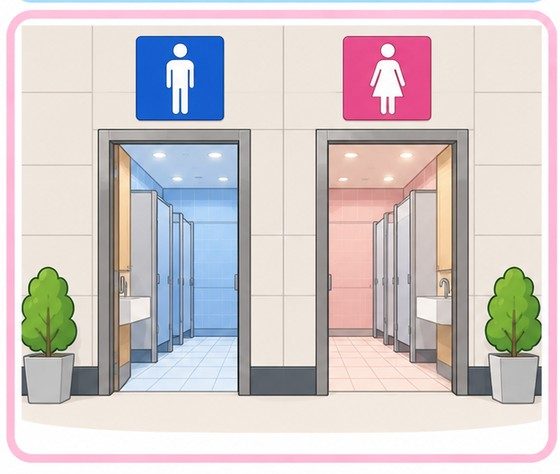
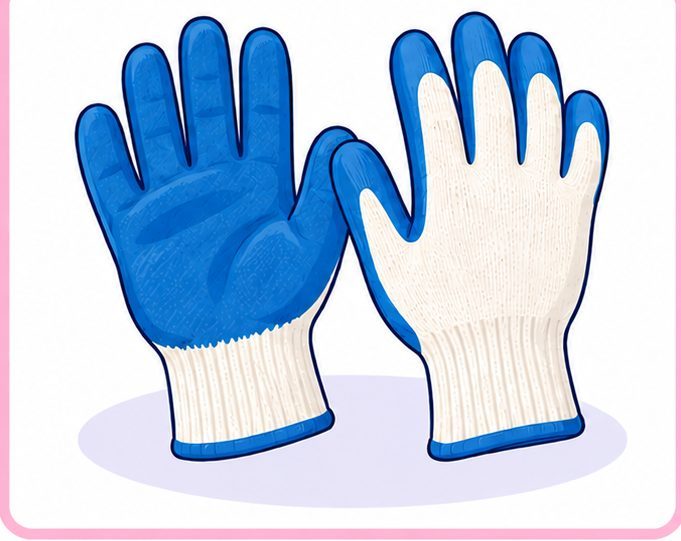
Day 21 복습 여기는 어디예요?yeogineun eodiyeyo?회사예요.hoesa-yeyo은행이에요.eunhaeng-ieyo화장실이에요.hwajangsil-ieyo Listen and read each item again before today’s new learning.
2. 오늘의 핵심 표현 · Key expressions
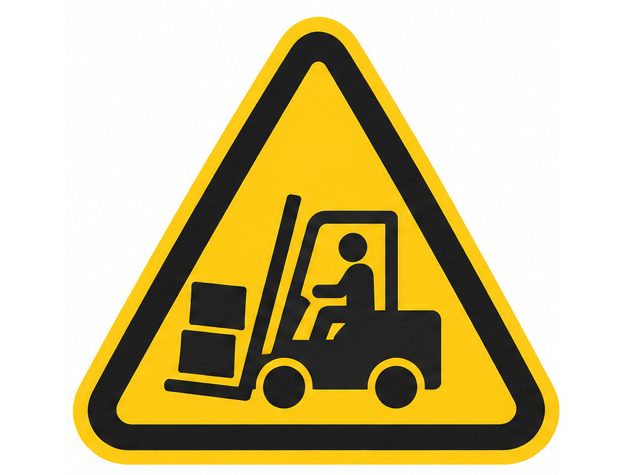
공장gongjangfactory위험wiheomdanger
주소jusoaddress
여기는 공장이에요.yeogineun gongjang-ieyoThis is a factory.
일터에서 위험 표지를 보면 멈추고 조심합니다. When you see a 위험 sign at work, stop and be careful.
3. 듣기 · Listen
1. 들리는 문장을 고르세요. Listen and choose what you hear.
2. 들리는 단어를 고르세요. Listen and choose the word you hear.
4. 이해 · 적용 · Understand & apply
③. 장소가 아닌 것을 고르세요. Choose the word that is NOT a place.
④. 빈칸에 알맞은 것을 고르세요: 여기는 공장___. Fill in the blank: 여기는 공장___.
⑤. 상황에 맞는 단어를 고르세요. You fill out a form. It asks where you live. Which word is on the form?
5. 문장 읽기 · Read & Record
공장이에요.gongjang-ieyoIt is a factory.
먼저 읽고 녹음하세요. / Read first, then record.
6. 말하기 · Speak
뜻을 보고 먼저 한국어로 말한 뒤 녹음하세요. Look at the meaning, say it in Korean first, then record.
This is a factory.
먼저 읽고 녹음하세요. / Read first, then record.
7. 노트에 쓰기 · Write
공장 · 위험 · 주소를 각각 3번씩 쓰고, “여기는 공장이에요.”를 한 번 써 보세요. Write 공장, 위험, and 주소 three times each, and write “여기는 공장이에요.” once.
Master Check
□ 일하는 장소를 “여기는 공장이에요.”로 말할 수 있다. I can say “여기는 공장이에요.”
□ 위험과 주소의 뜻을 알고 상황에 맞게 고를 수 있다. I know 위험 and 주소 and can choose them for a situation.
문항을 틀렸다면 다시 듣고 다시 시도하세요. If you missed a question, listen again and retry.
DAY 23
이게 뭐예요? — 기계예요
일터의 물건을 묻고 고장·사고 같은 상황 표현을 익힙니다. Ask what an object is and learn situation words like 고장 and 사고.
Q1. 들리는 장소를 고르세요. Listen and choose the place you hear.
Q2. 들리는 말을 고르세요. Listen and choose what you hear.
Q3. 들리는 단어를 고르세요. Listen and choose the word you hear.
3. 구별·선택 · 5분 Distinguish & choose · 5 min
Q4. “It is a machine.”에 해당하는 문장을 고르세요. Choose the sentence that means “It is a machine.”
Q5. “address”에 해당하는 한국어를 고르세요. Choose the Korean word for “address.”
Q6. 장소가 아닌 것을 고르세요. Choose the word that is NOT a place.
Q7. 틀린 문장을 고르세요. Choose the incorrect sentence.
4. 단어·문장 읽기 · 6분 Read words & sentences · 6 min
대화를 듣고 소리 내어 읽습니다. Listen to each dialogue and read it aloud.
여기는 어디예요? — 회사예요.yeogineun eodiyeyo? — hoesa-yeyoWhere is this place? — It is a company.
여기는 어디예요? — 공장이에요.yeogineun eodiyeyo? — gongjang-ieyoWhere is this place? — It is a factory.
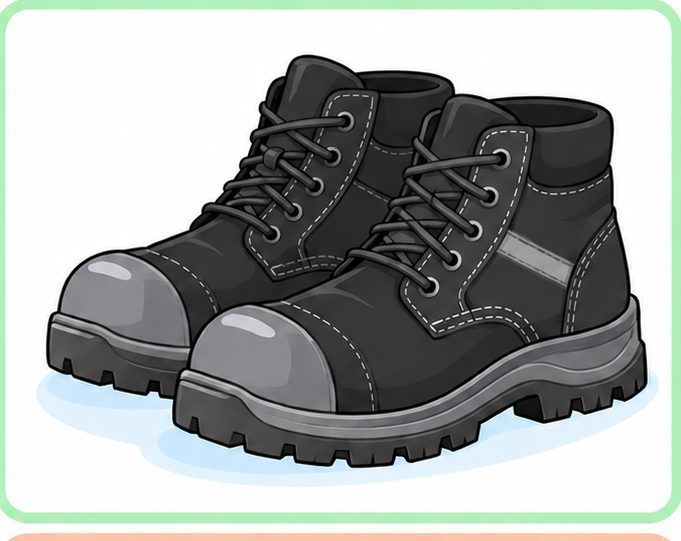
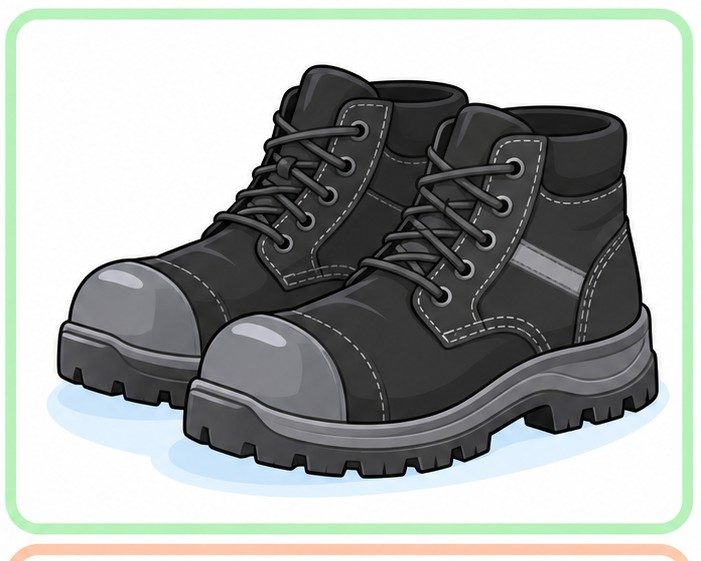
이게 뭐예요? — 안전화예요.ige mwoyeyo? — anjeonhwa-yeyoWhat is this? — They are safety shoes.
먼저 읽고 녹음하세요. / Read first, then record.
Q8. “이게 뭐예요? — 안전화예요.”에서 물건은 무엇입니까? In the dialogue “이게 뭐예요? — 안전화예요.”, what is the item?
5. 말하기 · 5분 Speaking · 5 min
정답을 보기 전에 먼저 직접 말하고 녹음합니다. Say it yourself and record before checking the answer.
① 여기는 어디예요? (company)
먼저 말하고 녹음하세요. / Say it first, then record.
② 이게 뭐예요? (machine)
먼저 말하고 녹음하세요. / Say it first, then record.
③ You need help.
먼저 말하고 녹음하세요. / Say it first, then record.
6. 최종 확인·쓰기 · 5분 Final check & writing · 5 min
Q9. “Where is this place?”에 해당하는 문장을 고르세요. Choose the sentence that means “Where is this place?”
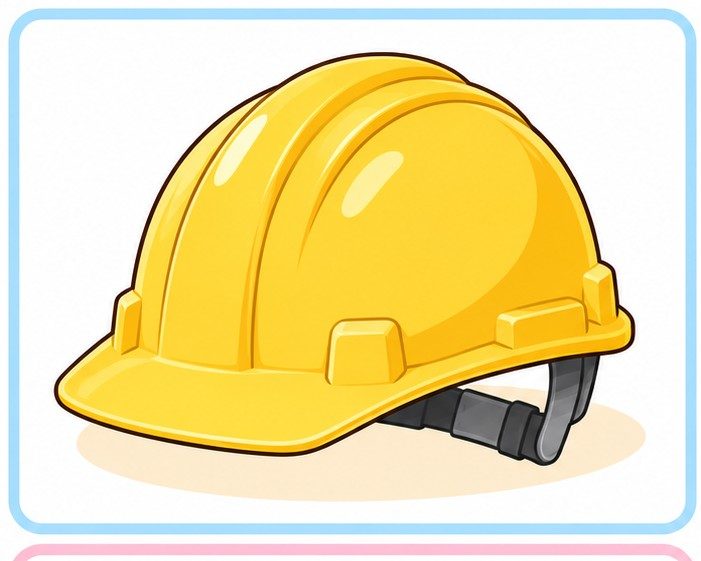
Q10. “safety helmet”의 한국어를 고르세요. Choose the Korean word for “safety helmet.”
노트에 쓰기 · Writing
이번 주에 어려웠던 낱말 3개를 골라 각각 3번씩 쓰고, “여기는 ○○이에요/예요.” 문장을 한 번 써 보세요. Choose three difficult words from this week and write each three times, then write one “여기는 ○○이에요/예요.” sentence.
7. 오답 재학습 · 2분 Review mistakes · 2 min
틀린 문제만 다시 풀기 → 해당 글자·낱말·문장 다시 듣기 → 소리 내어 다시 말하기 Redo only the questions you missed → listen again → say it aloud again.
Master Check
□ “여기는 어디예요?”로 장소를 묻고 대답할 수 있다. I can ask and answer about a place.
□ “이게 뭐예요?”로 물건을 묻고 대답할 수 있다. I can ask and answer about an object.
□ 위험·고장·사고·주소의 뜻을 구별할 수 있다. I can tell 위험, 고장, 사고, and 주소 apart.
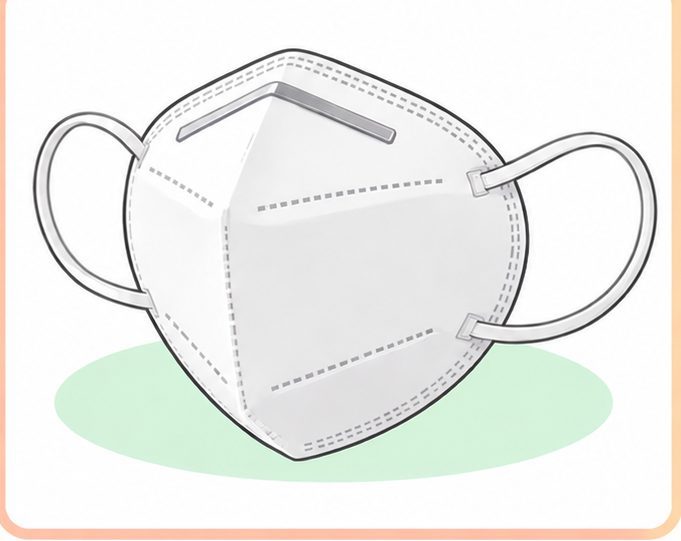
□ 장갑·마스크·신발·안전모·안전화를 말할 수 있다. I can name 장갑, 마스크, 신발, 안전모, and 안전화.
□ 위급할 때 “도와주세요!”라고 말할 수 있다. I can say “도와주세요!” in an emergency.
□ 정답률 80% 미만인 단계는 다음 주 첫 수업 전에 한 번 더 복습합니다.Review any step below 80% accuracy once more before the first lesson next week.
Sunday · Rest 일요일은 쉽니다.
WEEK 6 인사 · 네/아니요 · 일터의 사람 Greetings, yes/no, and people at work
DAY 26
인사하기 — 안녕하세요 · 감사합니다
일터에서 만날 때, 헤어질 때, 고마울 때, 일이 끝났을 때 하는 인사를 익힙니다. Learn greetings for meeting, leaving, thanking, and finishing work.
Day 25 복습 안전모anjeonmo안전화anjeonhwa도와주세요!dowajuseyo!이게 뭐예요? — 안전모예요.ige mwoyeyo? — anjeonmo-yeyo Listen and read each item again before today’s new learning.
2. 오늘의 핵심 표현 · Key expressions
안녕하세요annyeonghaseyoHello감사합니다gamsahamnidaThank you안녕히 가세요annyeonghi gaseyoGoodbye (to someone leaving)안녕히 계세요annyeonghi gyeseyoGoodbye (when you leave)수고하셨습니다sugohasyeotseumnidaGood work today
상대가 떠나요 → 안녕히 가세요 · 내가 떠나요(상대는 남아요) → 안녕히 계세요 일이 끝났을 때 함께 일한 사람에게 → 수고하셨습니다The other person leaves → 안녕히 가세요 · You leave and they stay → 안녕히 계세요 · After work, to the people you worked with → 수고하셨습니다
안녕하세요. 여기는 공장이에요.annyeonghaseyo. yeogineun gongjang-ieyoHello. This is a factory.
3. 듣기 · Listen
1. 들리는 인사를 고르세요. Listen and choose the greeting you hear.
2. 듣고 알맞은 뜻을 고르세요. Listen and choose the meaning.
4. 이해 · 적용 · Understand & apply
③. ‘감사합니다’의 뜻을 고르세요. Choose the meaning of ‘감사합니다’.
④. 상황에 맞는 말을 고르세요. Your co-worker goes home. You stay at the factory. What do you say?
⑤. ‘수고하셨습니다’는 언제 말해요? When do you say ‘수고하셨습니다’?
5. 문장 읽기 · Read & Record
안녕히 계세요.annyeonghi gyeseyoGoodbye. (I am leaving.)
먼저 읽고 녹음하세요. / Read first, then record.
6. 말하기 · Speak
뜻이나 상황을 보고 먼저 한국어로 말한 뒤 녹음하세요. Look at the meaning or situation, say it in Korean first, then record.
Work is done. Say goodbye to your team leader.
먼저 말하고 녹음하세요. / Say it first, then record.
A co-worker gave you gloves.
먼저 말하고 녹음하세요. / Say it first, then record.
7. 노트에 쓰기 · Write
다섯 인사를 각각 3번씩 쓰고, 가세요와 계세요의 차이를 한 줄로 적어 보세요. Write each of the five greetings three times, then note the difference between 가세요 and 계세요 in one line.
Master Check
□ 만날 때와 헤어질 때 알맞은 인사를 고를 수 있다. I can choose the right greeting for meeting and leaving.
□ 일이 끝나면 “수고하셨습니다.”라고 말할 수 있다. I can say “수고하셨습니다.” when work is finished.
문항을 틀렸다면 다시 듣고 다시 시도하세요. If you missed a question, listen again and retry.
DAY 27
네 · 아니요 — 묻고 대답하기
“○○예요?”로 묻고 “네, ~ / 아니요, ~”로 대답합니다. Ask “Is it ○○?” and answer with “네, …” or “아니요, …”.
Day 26 복습 안녕하세요annyeonghaseyo감사합니다gamsahamnida안녕히 가세요annyeonghi gaseyo안녕히 계세요annyeonghi gyeseyo수고하셨습니다sugohasyeotseumnida Listen and read each item again before today’s new learning.
2. 오늘의 핵심 표현 · Key expressions
네neyes아니요aniyono커피예요?keopi-yeyo?Is it coffee?
물을 때는 문장 끝을 올려 말합니다 ↗: 커피예요? 맞으면 → 네, 커피예요. · 아니면 → 아니요, 물이에요. (맞는 것을 말해요) For a question, raise your voice at the end ↗. If it is right → 네, 커피예요. If not → 아니요, 물이에요. (say the right thing)
공장이에요? — 네, 공장이에요.gongjang-ieyo? — ne, gongjang-ieyoIs it a factory? — Yes, it is.
장갑이에요? — 아니요, 마스크예요.janggab-ieyo? — aniyo, maseukeu-yeyoAre they gloves? — No, it is a mask.
3. 듣기 · Listen
1. 들리는 대답을 고르세요. Listen and choose the answer you hear.
2. 듣고 알맞은 뜻을 고르세요. Listen and choose the meaning.
4. 이해 · 적용 · Understand & apply
③. ‘Is it a factory?’에 맞는 질문을 고르세요. Choose the question that means “Is it a factory?”
④. “장갑이에요?”에 알맞은 대답을 고르세요. It is a mask. Choose the right answer to “장갑이에요?”
⑤. 어색한 대화를 고르세요. Choose the conversation that does not make sense.
5. 문장 읽기 · Read & Record
장갑이에요? — 아니요, 마스크예요.janggab-ieyo? — aniyo, maseukeu-yeyoAre they gloves? — No, it is a mask.
먼저 읽고 녹음하세요. / Read first, then record.
6. 말하기 · Speak
뜻이나 상황을 보고 먼저 한국어로 말한 뒤 녹음하세요. Look at the meaning or situation, say it in Korean first, then record.
A: 커피예요? (It is coffee.)
먼저 말하고 녹음하세요. / Say it first, then record.
A: 은행이에요? (It is a company.)
먼저 말하고 녹음하세요. / Say it first, then record.
7. 노트에 쓰기 · Write
네/아니요 대답 문장 4개를 직접 만들어 써 보세요. 물을 때는 물음표(?)를 꼭 붙입니다. Write four yes/no answers of your own. Always add “?” to a question.
Master Check
□ “○○예요?”로 물을 수 있다. I can ask “○○예요?”
□ 네/아니요로 대답하고, 아니면 맞는 것을 말할 수 있다. I can answer yes/no and say the right thing when it is “no.”
문항을 틀렸다면 다시 듣고 다시 시도하세요. If you missed a question, listen again and retry.
DAY 28
누구예요? — 일터의 사람
일터에서 만나는 사람을 묻고 대답합니다. Ask and answer about the people you meet at work.
Day 28 복습 누구예요?nuguyeyo?사장님sajangnim반장님banjangnim동료dongnyo친구chingu Listen and read each item again before today’s new learning.
2. 오늘의 핵심 표현 · Key expressions
일ilwork월급wolgeupmonthly pay, salary돈donmoney
4주차에서 배운 있어요/없어요로 말해요: 일이 있어요 · 돈이 없어요 · 월급이 있어요 (받침 뒤 → 이) Use 있어요/없어요 from Week 4: 일이 있어요 · 돈이 없어요 · 월급이 있어요 (after a final consonant → 이)
일이 있어요.iri isseoyoI have work.
돈이 없어요.doni eopseoyoI have no money.
3. 듣기 · Listen
1. 들리는 문장을 고르세요. Listen and choose what you hear.
2. 들리는 낱말을 고르세요. Listen and choose the word you hear.
4. 이해 · 적용 · Understand & apply
③. ‘일’의 뜻을 고르세요. Choose the meaning of ‘일’.
④. ‘I have work.’에 맞는 문장을 고르세요. Choose the sentence for “I have work.”
⑤. 알맞은 대답을 고르세요. Your friend asks “돈이 있어요?” You have no money. What do you answer?
5. 문장 읽기 · Read & Record
일이 있어요. 돈이 없어요.iri isseoyo. doni eopseoyoI have work. I have no money.
먼저 읽고 녹음하세요. / Read first, then record.
6. 말하기 · Speak
뜻이나 상황을 보고 먼저 한국어로 말한 뒤 녹음하세요. Look at the meaning or situation, say it in Korean first, then record.
I have no work.
먼저 말하고 녹음하세요. / Say it first, then record.
I have a salary.
먼저 말하고 녹음하세요. / Say it first, then record.
7. 노트에 쓰기 · Write
일 · 월급 · 돈을 각각 3번씩 쓰고, 있어요/없어요 문장을 2개 만들어 써 보세요. Write 일, 월급, and 돈 three times each, then make two sentences with 있어요/없어요.
Master Check
□ 일·월급·돈의 뜻을 알 수 있다. I know the meanings of 일, 월급, and 돈.
□ 있어요/없어요로 일과 돈에 대해 말할 수 있다. I can talk about work and money with 있어요/없어요.
문항을 틀렸다면 다시 듣고 다시 시도하세요. If you missed a question, listen again and retry.
DAY 30
일터 첫 대화 — 인사부터 대답까지
이번 주 표현과 5주차 표현을 한 대화로 연결합니다. 다음 주에는 “저는 ○○예요.”로 나를 소개합니다. Connect this week’s and Week 5’s expressions in one conversation. Next week you will introduce yourself with “저는 ○○예요.”
Q1. 들리는 인사를 고르세요. Listen and choose the greeting you hear.
Q2. 들리는 대답을 고르세요. Listen and choose the answer you hear.
Q3. 듣고 알맞은 뜻을 고르세요. Listen and choose the meaning.
3. 구별·선택 · 5분 Distinguish & choose · 5 min
Q4. 상황에 맞는 말을 고르세요. Work is over. What do you say to your co-workers?
Q5. ‘Is it money?’에 맞는 질문을 고르세요. Choose the question that means “Is it money?”
Q6. “누구예요?”에 알맞은 대답을 고르세요. He leads your work team. Choose the right answer to “누구예요?”
Q7. ‘월급’의 뜻을 고르세요. Choose the meaning of ‘월급’.
4. 단어·문장 읽기 · 6분 Read words & sentences · 6 min
대화를 듣고 소리 내어 읽은 뒤 녹음합니다. Listen to the dialogue, read it aloud, and record.
A: 이게 뭐예요?ige mwoyeyo?What is this?
B: 장갑이에요.janggab-ieyoThey are gloves.
A: 마스크예요?maseukeu-yeyo?Is it a mask?
B: 아니요, 장갑이에요. 감사합니다.aniyo, janggab-ieyo. gamsahamnidaNo, they are gloves. Thank you.
먼저 읽고 녹음하세요. / Read first, then record.
Q8. 대화의 물건은 무엇입니까? What is the item in the dialogue?
5. 말하기 · 5분 Speaking · 5 min
정답을 보기 전에 먼저 직접 말하고 녹음합니다. Say it yourself and record before checking the answer.
Work is finished. (to your team leader)
먼저 말하고 녹음하세요. / Say it first, then record.
A: 커피예요? (It is water.)
먼저 말하고 녹음하세요. / Say it first, then record.
I have no money.
먼저 말하고 녹음하세요. / Say it first, then record.
6. 최종 확인·쓰기 · 5분 Final check & writing · 5 min
Q9. 어색한 대화를 고르세요. Choose the conversation that does not make sense.
Q10. ‘Who is it?’에 맞는 질문을 고르세요. Choose the question that means “Who is it?”
노트에 쓰기 · Writing
이번 주에 어려웠던 표현 3개를 골라 각각 3번씩 쓰고, 나만의 “누구예요? — ○○예요.” 대화를 하나 써 보세요. Choose three difficult expressions and write each three times, then write your own “누구예요? — ○○예요.” dialogue.
7. 오답 재학습 · 2분 Review mistakes · 2 min
틀린 문제만 다시 풀기 → 해당 Day로 돌아가 다시 듣기 → 소리 내어 다시 말하기 Redo only the questions you missed → go back to that day and listen again → say it aloud again.
Master Check
□ 만날 때·헤어질 때·고마울 때·일이 끝났을 때 인사를 할 수 있다. I can greet when meeting, leaving, thanking, and finishing work.
□ “○○예요?”로 묻고 네/아니요로 대답할 수 있다. I can ask “○○예요?” and answer yes/no.
□ “누구예요?”로 일터의 사람을 묻고 대답할 수 있다. I can ask and answer who someone at work is.
□ 일·월급·돈을 있어요/없어요로 말할 수 있다. I can talk about 일, 월급, and 돈 with 있어요/없어요.
□ 정답률 80% 미만인 단계는 다음 주 첫 수업 전에 한 번 더 복습합니다.Review any step below 80% accuracy once more before the first lesson next week.
Sunday · Rest 일요일은 쉽니다.
WEEK 7 자기소개 — 이름 · 나라 · 직업 · 첫 만남 인사 Self-introduction: name, country, job, and first-meeting phrases
DAY 31 · WEEK 7
저는 ○○예요 — 이름 말하기
내 이름을 문장으로 말하고, 다른 사람을 “○○ 씨”라고 부릅니다. Say your name in a full sentence and call others “○○ 씨.”
Day 30 복습 안녕하세요. 여기는 어디예요?annyeonghaseyo. yeogineun eodiyeyo?누구예요? — 반장님이에요.nuguyeyo? — banjangnim-ieyo수고하셨습니다.sugohasyeotseumnida Listen and read each item again before today’s new learning.
2. 오늘의 핵심 표현 · Key expressions
저jeoI / me제jemy이름ireumname씨ssiMr. / Ms. (after a name)
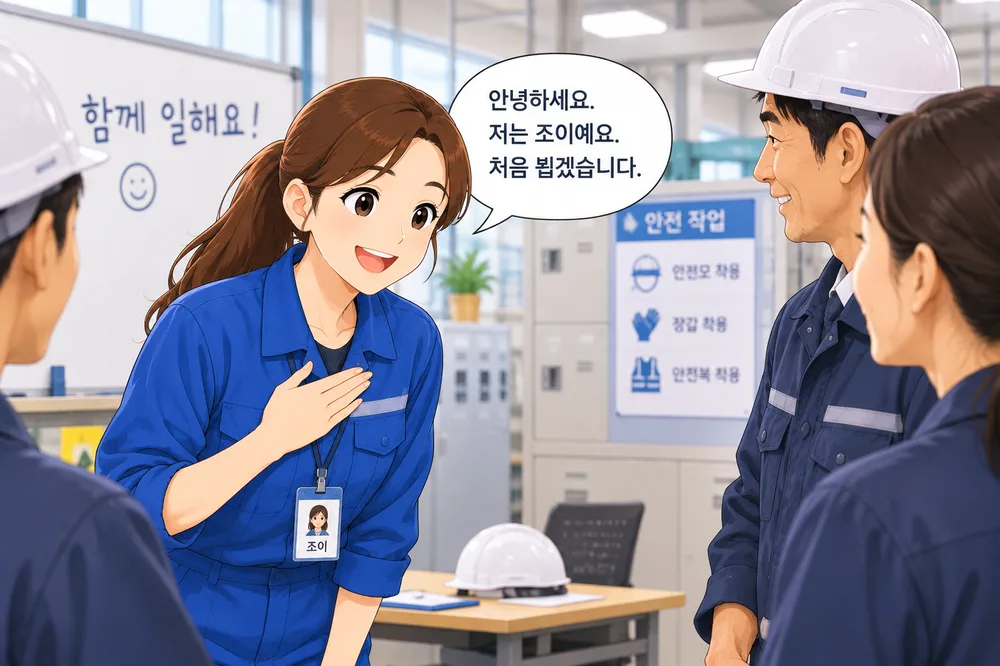
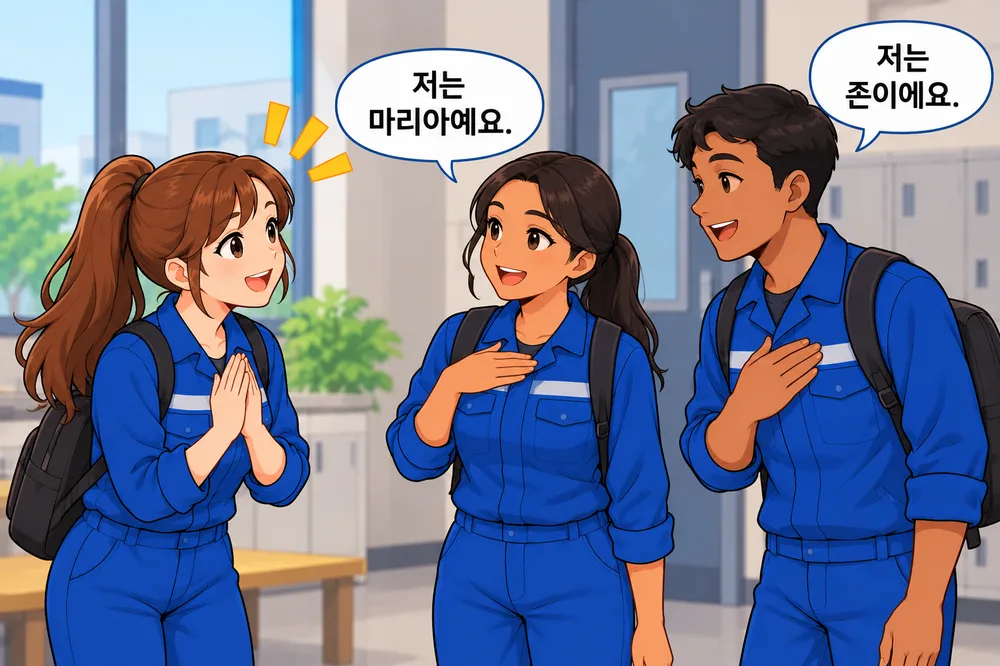
저는 + 이름 + 예요/이에요로 나를 소개해요. 이에요/예요는 4주에 배웠어요: 이름 끝에 받침이 없으면 예요(마리아예요), 받침이 있으면 이에요(존이에요). 제 이름은 ○○예요도 같은 뜻이에요. 다른 사람을 부를 때는 이름 + 씨: 마리아 씨. (내 이름에는 씨를 붙이지 않아요.) Introduce yourself with 저는 + name + 예요/이에요. You learned 이에요/예요 in Week 4: no final consonant → 예요 (마리아예요); final consonant → 이에요 (존이에요). 제 이름은 ○○예요 means the same. To call someone politely, use name + 씨: 마리아 씨. (Never add 씨 to your own name.)
저는 마리아예요.jeoneun mariayeyoI am Maria.
제 이름은 마리아예요.je ireumeun mariayeyo [제 이르믄]My name is Maria.
저는 존이에요.jeoneun jonieyo [조니에요]I am John.
마리아 씨, 안녕하세요.maria ssi, annyeonghaseyoHello, Maria.
저는 ○○예요. · I am ○○.
3. 듣기 · Listen
1. 듣고 알맞은 뜻을 고르세요. Listen and choose the meaning.
2. 들리는 낱말을 고르세요. Listen and choose the word you hear.
4. 이해 · 적용 · Understand & apply
③. 빈칸에 알맞은 것을 고르세요: 저는 존___. Fill in the blank: 저는 존___. (I am John.)
④. 상황에 맞는 말을 고르세요. Your co-worker’s name is Maria. How do you call her politely?
⑤. 순서가 바른 문장을 고르세요. Choose the sentence in the correct order: “My name is Maria.”
5. 문장 읽기 · Read & Record
저는 조이예요. 제 이름은 조이예요.jeoneun joiyeyo. je ireumeun joiyeyoI am Joy. My name is Joy.
먼저 읽고 녹음하세요. / Read first, then record.
6. 말하기 · Speak
뜻이나 상황을 보고 먼저 한국어로 말한 뒤 녹음하세요. Look at the meaning or situation, say it in Korean first, then record.
You are John. Say “I am John.”
먼저 말하고 녹음하세요. / Say it first, then record.
Say “My name is Maria.”
먼저 말하고 녹음하세요. / Say it first, then record.
7. 노트에 쓰기 · Write
저 · 제 · 이름 · 씨를 각각 3번씩 쓰고, 내 이름으로 “저는 ○○예요/이에요.”를 써 보세요. Write 저, 제, 이름, and 씨 three times each, then write “저는 ○○예요/이에요.” with your own name.
Master Check
□ “저는 ○○예요/이에요.”로 내 이름을 말할 수 있다. I can say my name with 저는 ○○예요/이에요.
□ 다른 사람을 “○○ 씨”라고 부를 수 있다. I can call someone politely with name + 씨.
문항을 틀렸다면 다시 듣고 다시 시도하세요. If you missed a question, listen again and retry.
DAY 32 · WEEK 7
어느 나라 사람이에요? — 나라 말하기
어느 나라 사람인지 묻고 대답합니다. Ask and answer where someone is from.
Day 31 복습 저jeoI / me제jemy이름ireumname씨ssiMr. / Ms.제 이름은 마리아예요.je ireumeun mariayeyo Listen and read each item again before today’s new learning.
2. 오늘의 핵심 표현 · Key expressions
어느eoneuwhich필리핀pillipinthe Philippines베트남beteunamVietnam중국junggukChina일본ilbonJapan미국migukthe USA
나라를 물을 때 → 어느 나라 사람이에요? 대답 → 나라 이름 + 사람이에요: 필리핀 사람이에요. 나라(1주)와 사람(3주)은 이미 배운 낱말이에요. 사람은 받침이 있어서 이에요를 써요. To ask where someone is from: 어느 나라 사람이에요? Answer with country + 사람이에요: 필리핀 사람이에요. You already know 나라 (country) and 사람 (person). 사람 ends in a final consonant, so it takes 이에요.
어느 나라 사람이에요?eoneu nara saramieyo? [사라미에요]What country are you from?
필리핀 사람이에요.pillipin saramieyoI am from the Philippines.
저는 베트남 사람이에요.jeoneun beteunam saramieyoI am from Vietnam.
3. 듣기 · Listen
1. 듣고 알맞은 나라를 고르세요. Listen and choose the country.
2. 질문을 듣고 알맞은 대답을 고르세요. Listen to the question and choose the best reply.
4. 이해 · 적용 · Understand & apply
③. 빈칸에 알맞은 것을 고르세요: ___ 나라 사람이에요? Fill in the blank: ___ 나라 사람이에요? (What country are you from?)
④. 상황에 맞는 대답을 고르세요. Li is from China. Someone asks where he is from. What does he say?
⑤. 나라가 아닌 것을 고르세요. Choose the word that is NOT a country.
5. 문장 읽기 · Read & Record
어느 나라 사람이에요? — 필리핀 사람이에요.eoneu nara saramieyo? — pillipin saramieyoWhat country are you from? — I am from the Philippines.
먼저 읽고 녹음하세요. / Read first, then record.
6. 말하기 · Speak
뜻이나 상황을 보고 먼저 한국어로 말한 뒤 녹음하세요. Look at the meaning or situation, say it in Korean first, then record.
Ask someone where they are from.
먼저 말하고 녹음하세요. / Say it first, then record.
You are from the Philippines. Answer the question.
먼저 말하고 녹음하세요. / Say it first, then record.
7. 노트에 쓰기 · Write
나라 이름 5개를 각각 3번씩 쓰고, “저는 ○○ 사람이에요.”를 내 나라로 써 보세요. Write the five country names three times each, then write “저는 ○○ 사람이에요.” with your own country.
Master Check
□ “어느 나라 사람이에요?”라고 물을 수 있다. I can ask “어느 나라 사람이에요?”
□ “○○ 사람이에요.”로 내 나라를 말할 수 있다. I can say my country with ○○ 사람이에요.
문항을 틀렸다면 다시 듣고 다시 시도하세요. If you missed a question, listen again and retry.
Day 32 복습 어느 나라 사람이에요?eoneu nara saramieyo?필리핀 사람이에요.pillipin saramieyo중국junggukChina미국migukthe USA베트남beteunamVietnam Listen and read each item again before today’s new learning.
직업이 뭐예요? = What is your job? (뭐예요는 4주 “이거 뭐예요?”의 뭐예요) 대답 → 저는 + 직업 + 이에요/예요: 회사원이에요(받침 있음), 요리사예요(받침 없음). 직업이 뭐예요? = What is your job? (the same 뭐예요 as “이거 뭐예요?” in Week 4). Answer with 저는 + job + 이에요/예요: 회사원이에요 (final consonant), 요리사예요 (no final consonant).
직업이 뭐예요?jigeobi mwoyeyo? [지거비]What is your job?
저는 회사원이에요.jeoneun hoesawonieyoI am an office worker.
저는 간호사예요.jeoneun ganhosayeyoI am a nurse.
3. 듣기 · Listen
1. 듣고 알맞은 뜻을 고르세요. Listen and choose the meaning.
2. 들리는 낱말을 고르세요. Listen and choose the word you hear.
4. 이해 · 적용 · Understand & apply
③. 빈칸에 알맞은 것을 고르세요: 저는 선생님___. Fill in the blank: 저는 선생님___. (I am a teacher.)
④. 질문에 알맞은 대답을 고르세요: 직업이 뭐예요? Choose the best reply to “직업이 뭐예요?”
⑤. 직업이 아닌 것을 고르세요. Choose the word that is NOT a job.
5. 문장 읽기 · Read & Record
직업이 뭐예요? — 저는 회사원이에요.jigeobi mwoyeyo? — jeoneun hoesawonieyoWhat is your job? — I am an office worker.
먼저 읽고 녹음하세요. / Read first, then record.
6. 말하기 · Speak
뜻이나 상황을 보고 먼저 한국어로 말한 뒤 녹음하세요. Look at the meaning or situation, say it in Korean first, then record.
Ask someone what their job is.
먼저 말하고 녹음하세요. / Say it first, then record.
You are a student. Answer the question.
먼저 말하고 녹음하세요. / Say it first, then record.
7. 노트에 쓰기 · Write
직업 낱말 6개를 각각 3번씩 쓰고, “저는 ○○이에요/예요.”를 내 직업으로 써 보세요. Write the six job words three times each, then write “저는 ○○이에요/예요.” with your own job.
Master Check
□ “직업이 뭐예요?”라고 물을 수 있다. I can ask about someone’s job.
□ 내 직업을 이에요/예요로 말할 수 있다. I can say my job with 이에요/예요.
문항을 틀렸다면 다시 듣고 다시 시도하세요. If you missed a question, listen again and retry.
DAY 34 · WEEK 7
처음 만날 때 — 인사 덩어리 표현
처음 만났을 때와 사과할 때 쓰는 표현을 통째로 익힙니다. Learn whole phrases for first meetings and for saying sorry.
Day 33 복습 직업이 뭐예요?jigeobi mwoyeyo?저는 회사원이에요.jeoneun hoesawonieyo간호사ganhosanurse요리사yorisacook학생haksaengstudent Listen and read each item again before today’s new learning.
2. 오늘의 핵심 표현 · Key expressions
처음 뵙겠습니다cheoeum boepgetseumnida [뵙껟씀니다]Nice to meet you. (first time, very polite)만나서 반갑습니다mannaseo bangapseumnida [반갑씀니다]Nice to meet you.잘 부탁드립니다jal butakdeurimnida [부탁뜨림니다]I look forward to working with you.죄송합니다joesonghamnidaI’m sorry.괜찮아요gwaenchanayo [괜차나요]It’s okay.
문법을 나누지 말고 통째로 외워요. 처음 만날 때 → 처음 뵙겠습니다 / 만나서 반갑습니다 · 소개 끝에 → 잘 부탁드립니다 실수했을 때 → 죄송합니다 → 대답: 괜찮아요Learn these as whole phrases — don’t take them apart. Meeting someone for the first time → 처음 뵙겠습니다 / 만나서 반갑습니다. At the end of an introduction → 잘 부탁드립니다. When you make a mistake → 죄송합니다, and the reply is 괜찮아요.
처음 뵙겠습니다. 저는 조이예요.cheoeum boepgetseumnida. jeoneun joiyeyoNice to meet you. I am Joy.
잘 부탁드립니다.jal butakdeurimnidaI look forward to working with you.
2. 듣고 이 사람의 직업을 고르세요. Listen and choose the speaker’s job.
4. 이해 · 적용 · Understand & apply
③. 상황에 맞는 말을 고르세요. You bumped into someone. What do you say?
④. 대화를 완성하세요: A: 죄송합니다. B: ___ Complete the conversation. A: 죄송합니다. B: ___
⑤. 첫 만남의 순서가 바른 것을 고르세요. Choose the correct order for a first meeting: greeting → name → closing.
5. 문장 읽기 · Read & Record
처음 뵙겠습니다. 저는 조이예요. 잘 부탁드립니다.cheoeum boepgetseumnida. jeoneun joiyeyo. jal butakdeurimnidaNice to meet you. I am Joy. I look forward to working with you.
먼저 읽고 녹음하세요. / Read first, then record.
6. 말하기 · Speak
뜻이나 상황을 보고 먼저 한국어로 말한 뒤 녹음하세요. Look at the meaning or situation, say it in Korean first, then record.
You meet your team leader for the first time. What do you say first?
먼저 말하고 녹음하세요. / Say it first, then record.
Your co-worker says “죄송합니다.” Reply.
먼저 말하고 녹음하세요. / Say it first, then record.
7. 노트에 쓰기 · Write
다섯 표현을 각각 2번씩 쓰고, “처음 뵙겠습니다. 저는 ○○예요/이에요. 잘 부탁드립니다.”를 써 보세요. Write each of the five phrases twice, then write “처음 뵙겠습니다. 저는 ○○예요/이에요. 잘 부탁드립니다.”
Master Check
□ 처음 만난 사람에게 인사할 수 있다. I can greet someone I meet for the first time.
□ “죄송합니다”와 “괜찮아요”를 알맞게 쓸 수 있다. I can use 죄송합니다 and 괜찮아요 correctly.
문항을 틀렸다면 다시 듣고 다시 시도하세요. If you missed a question, listen again and retry.
DAY 35 · WEEK 7
자기소개 — 4문장으로 말하기
인사 → 이름 → 나라 → 직업 → 끝인사 순서로 나를 소개합니다. 다음 주(8주)에는 숫자를 배웁니다. Introduce yourself in order: greeting → name → country → job → closing. Next week (Week 8) you will learn numbers.
Day 34 복습 처음 뵙겠습니다cheoeum boepgetseumnida만나서 반갑습니다mannaseo bangapseumnida잘 부탁드립니다jal butakdeurimnida죄송합니다. — 괜찮아요.joesonghamnida — gwaenchanayo Listen and read each item again before today’s new learning.
2. 오늘의 핵심 표현 · Key expressions
새 낱말은 없어요. Day 31~34를 하나로 연결해요. 이름·나라·직업만 바꾸면 내 자기소개가 돼요. No new words today. Put Days 31–34 together. Change only the name, country, and job to make your own introduction.
안녕하세요.annyeonghaseyoHello.
저는 조이예요.jeoneun joiyeyoI am Joy.
필리핀 사람이에요.pillipin saramieyoI am from the Philippines.
회사원이에요.hoesawonieyoI am an office worker.
잘 부탁드립니다.jal butakdeurimnidaI look forward to working with you.
3. 듣기 · Listen
1. 자기소개를 듣고 직업을 고르세요. Listen to the introduction and choose John’s job.
2. 자기소개를 듣고 나라를 고르세요. Listen to the introduction and choose where Maria is from.
4. 이해 · 적용 · Understand & apply
③. 순서가 바른 자기소개를 고르세요. Choose the introduction in the right order: hello → name → country.
④. 맞는 문장을 고르세요. A cook introduces herself. Which sentence is correct?
⑤. 자기소개에 들어가지 않는 말을 고르세요. Choose the phrase that is NOT part of a self-introduction.
5. 문장 읽기 · Read & Record
안녕하세요. 저는 조이예요. 필리핀 사람이에요. 회사원이에요. 잘 부탁드립니다.annyeonghaseyo. jeoneun joiyeyo. pillipin saramieyo. hoesawonieyo. jal butakdeurimnidaHello. I am Joy. I am from the Philippines. I am an office worker. I look forward to working with you.
먼저 읽고 녹음하세요. / Read first, then record.
6. 말하기 · Speak
뜻이나 상황을 보고 먼저 한국어로 말한 뒤 녹음하세요. Look at the meaning or situation, say it in Korean first, then record.
You are Maria from the Philippines. Say hello and your name and country.
먼저 말하고 녹음하세요. / Say it first, then record.
Introduce yourself: name, country, job, and closing. (Use your own information.)
먼저 말하고 녹음하세요. / Say it first, then record.
7. 노트에 쓰기 · Write
내 이름·나라·직업으로 자기소개 5문장을 써 보세요. Write a five-sentence self-introduction with your own name, country, and job.
Master Check
□ 4~5문장으로 나를 소개할 수 있다. I can introduce myself in four or five sentences.
□ 다른 사람의 자기소개를 듣고 이름·나라·직업을 알 수 있다. I can catch the name, country, and job in someone’s introduction.
문항을 틀렸다면 다시 듣고 다시 시도하세요. If you missed a question, listen again and retry.
SATURDAY · WEEK 7
7주차 누적 복습 · 자기소개
이번 주 표현(이름·나라·직업·첫 만남 인사)을 새로운 문제로 다시 확인합니다. Review this week’s expressions (name, country, job, first-meeting phrases) with new questions.
Day 35 복습 안녕하세요. 저는 조이예요.annyeonghaseyo. jeoneun joiyeyo베트남 사람이에요.beteunam saramieyo회사원이에요.hoesawonieyo잘 부탁드립니다.jal butakdeurimnida Listen and read each item again before today’s new learning.
2. 오늘의 핵심 표현 · Key expressions
영yeong0일il1이i2삼sam3사sa4오o5
한자어 숫자예요. 돈·날짜·전화번호·분(minute)에 써요. 0은 영 (전화번호에서는 보통 공 — Day 40). 주의: 숫자 일(1)과 6주의 일(work)은 소리가 같아요. 일과 이를 잘 구별해서 들어 보세요. These are Sino-Korean numbers. You use them for money, dates, phone numbers, and minutes. 0 is 영 (in phone numbers it is usually 공 — Day 40). Note: the number 일 (1) sounds the same as 일 (work) from Week 6. Listen carefully to tell 일 and 이 apart.
영, 일, 이, 삼, 사, 오yeong, il, i, sam, sa, o0, 1, 2, 3, 4, 5
3. 듣기 · Listen
1. 듣고 알맞은 숫자를 고르세요. Listen and choose the number.
2. 듣고 알맞은 숫자를 고르세요. (일? 이?) Listen and choose the number. (일 or 이?)
4. 이해 · 적용 · Understand & apply
③. 계산하세요: 일 + 사 = ? Calculate: 일 + 사 = ?
④. ‘4’를 한국어로 고르세요. Choose the Korean for “4.”
⑤. 틀린 것을 고르세요. One of these has a mistake. Which one?
5. 문장 읽기 · Read & Record
영, 일, 이, 삼, 사, 오yeong, il, i, sam, sa, o0, 1, 2, 3, 4, 5
먼저 읽고 녹음하세요. / Read first, then record.
6. 말하기 · Speak
뜻이나 상황을 보고 먼저 한국어로 말한 뒤 녹음하세요. Look at the meaning or situation, say it in Korean first, then record.
Count from 0 to 5 in Korean.
먼저 말하고 녹음하세요. / Say it first, then record.
Say the number “3.”
먼저 말하고 녹음하세요. / Say it first, then record.
7. 노트에 쓰기 · Write
영 · 일 · 이 · 삼 · 사 · 오를 각각 3번씩 쓰고, 옆에 아라비아 숫자를 써 보세요. Write 영, 일, 이, 삼, 사, and 오 three times each, with the number next to each.
Master Check
□ 0~5를 한자어 숫자로 셀 수 있다. I can count 0–5 in Sino-Korean numbers.
□ 일(1)과 이(2)를 듣고 구별할 수 있다. I can hear the difference between 일 and 이.
문항을 틀렸다면 다시 듣고 다시 시도하세요. If you missed a question, listen again and retry.
DAY 37 · WEEK 8
숫자 6~10 — 한자어 숫자
한자어 숫자 6~10을 듣고 읽습니다. Hear and read Sino-Korean numbers 6–10.
Day 36 복습 영yeong0일il1이i2삼sam3사sa4오o5 Listen and read each item again before today’s new learning.
2. 오늘의 핵심 표현 · Key expressions
육yuk6칠chil7팔pal8구gu9십sip10
한자어 숫자 6~10이에요. 내일은 이 숫자를 붙여서 큰 숫자를 만들어요: 십 + 일 = 십일 (11). Sino-Korean numbers 6–10. Tomorrow you will join them to make bigger numbers: 십 + 일 = 십일 (11).
십 + 일 = 십일 (11) · 이 + 십 = 이십 (20) · 삼십 + 오 = 삼십오 (35) · 구십구 (99) · 백 (100) 앞의 숫자 × 10, 뒤의 숫자 + 해요. 십 + 일 = 십일 (11) · 이 + 십 = 이십 (20) · 삼십 + 오 = 삼십오 (35) · 구십구 (99) · 백 (100). The number before 십 multiplies; the number after it adds.
Day 38 복습 십일sibil11이십isip20삼십오samsibo35구십구gusipgu99백baek100 Listen and read each item again before today’s new learning.
2. 오늘의 핵심 표현 · Key expressions
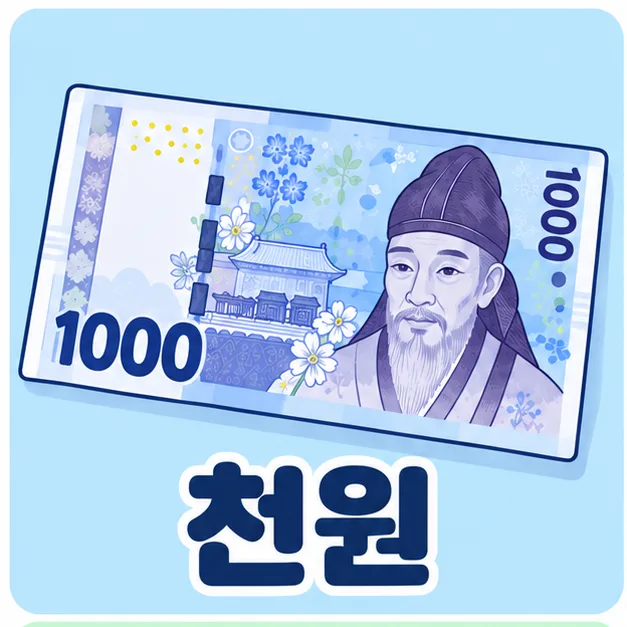
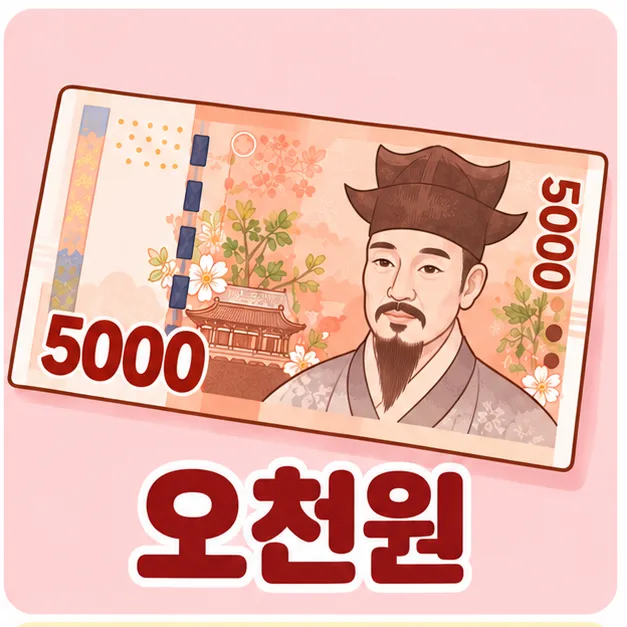
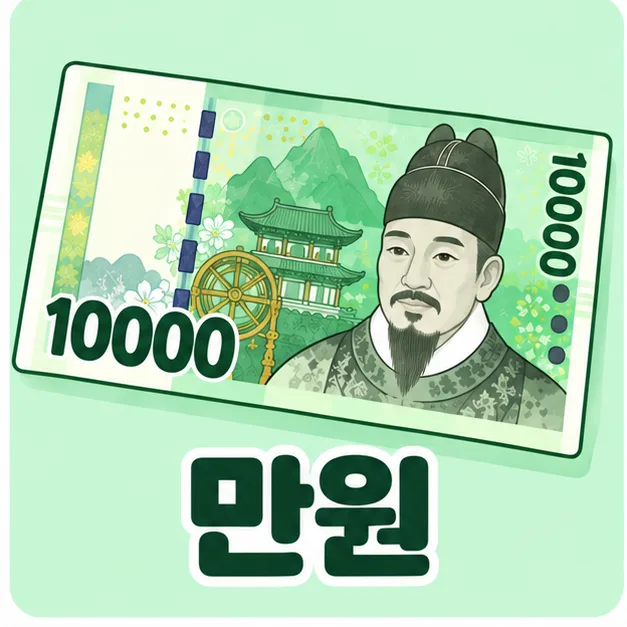
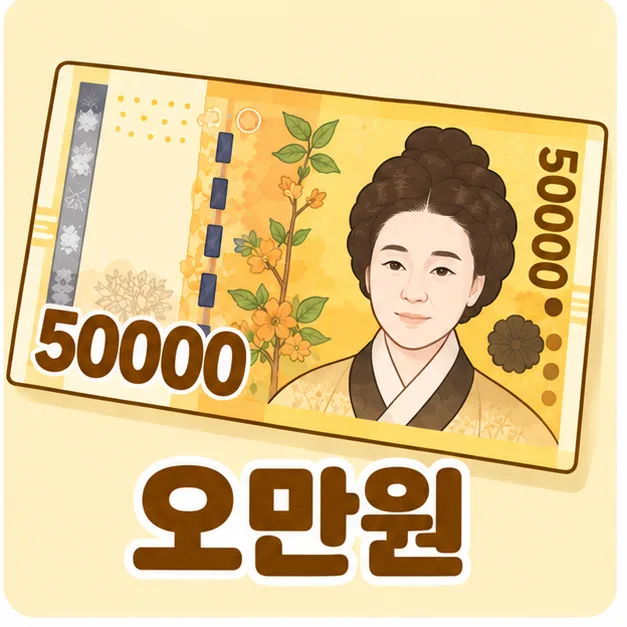
1,000은 그냥 천, 10,000은 그냥 만이에요. (일천, 일만이라고 하지 않아요.) 35,000 = 삼만 오천 원. 천 = 1,000 and 만 = 10,000. Number + 천/만 + 원: 오천 원 (5,000 won), 삼만 원 (30,000 won). 1,000 is just 천 and 10,000 is just 만 (no 일 in front). 35,000 = 삼만 오천 원.
이거 오천 원이에요.igeo ocheon wonieyo [워니에요]This is 5,000 won.
천 원, 오천 원, 만 원, 삼만 원cheon won, ocheon won, man won, samman won1,000 · 5,000 · 10,000 · 30,000 won
3. 듣기 · Listen
1. 들리는 가격을 고르세요. Listen and choose the price you hear.
2. 듣고 알맞은 금액을 고르세요. Listen and choose the amount.
4. 이해 · 적용 · Understand & apply
③. ‘5,000 won’을 한국어로 고르세요. Choose the Korean for “5,000 won.”
④. 가장 많은 돈을 고르세요. Which is the MOST money?
⑤. 틀린 것을 고르세요. One of these has a mistake. Which one?
5. 문장 읽기 · Read & Record
천 원, 오천 원, 만 원, 삼만 원cheon won, ocheon won, man won, samman won1,000 · 5,000 · 10,000 · 30,000 won
먼저 읽고 녹음하세요. / Read first, then record.
6. 말하기 · Speak
뜻이나 상황을 보고 먼저 한국어로 말한 뒤 녹음하세요. Look at the meaning or situation, say it in Korean first, then record.
Point at an item. Say “This is 5,000 won.”
먼저 말하고 녹음하세요. / Say it first, then record.
Say “10,000 won.”
먼저 말하고 녹음하세요. / Say it first, then record.
7. 노트에 쓰기 · Write
천 · 만 · 원을 각각 3번씩 쓰고, 2,000 · 7,000 · 20,000 · 50,000원을 한국어로 써 보세요. Write 천, 만, and 원 three times each, then write 2,000, 7,000, 20,000, and 50,000 won in Korean.
Master Check
□ 천 원, 만 원 단위의 가격을 읽을 수 있다. I can read prices in thousands and ten-thousands of won.
□ 천·만 앞에 “일”을 붙이지 않는 것을 안다. I know not to say 일 before 천 or 만.
문항을 틀렸다면 다시 듣고 다시 시도하세요. If you missed a question, listen again and retry.
DAY 40 · WEEK 8
전화번호가 몇 번이에요? — 전화번호
전화번호를 묻고 숫자를 하나씩 읽어 대답합니다. 다음 주(9주)에는 고유어 숫자(하나, 둘…)를 배웁니다. Ask for a phone number and read it digit by digit. Next week (Week 9) you will learn native Korean numbers (하나, 둘 …).
Day 39 복습 천cheon1,000만man10,000오천 원ocheon won5,000 won삼만 원samman won30,000 won이거 오천 원이에요.igeo ocheon wonieyo Listen and read each item again before today’s new learning.
2. 오늘의 핵심 표현 · Key expressions
전화jeonhwaphone전화번호jeonhwabeonhophone number몇myeothow many / what number번beonnumber공gongzero (in phone numbers)
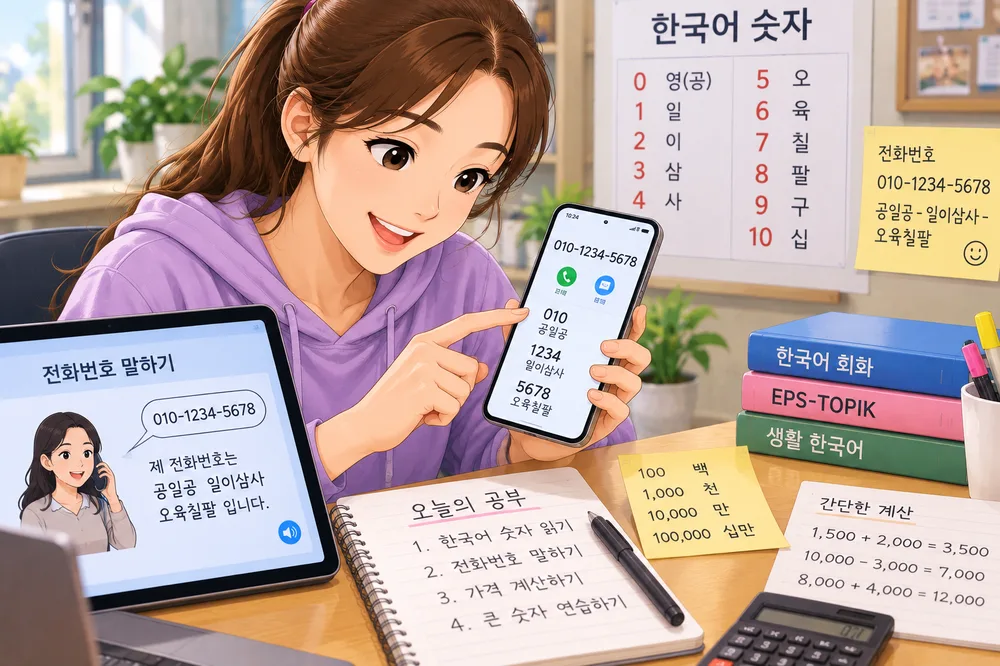
전화번호는 숫자를 하나씩 읽어요. 010 = 공일공. 전화번호의 0은 보통 영이 아니라 공이에요. 물을 때 → 전화번호가 몇 번이에요?Read phone numbers one digit at a time. 010 = 공일공. In phone numbers, 0 is usually 공, not 영. To ask: 전화번호가 몇 번이에요?
전화번호가 몇 번이에요?jeonhwabeonhoga myeot beonieyo? [멷 뻐니에요]What is your phone number?
공일공 이삼사 오육칠팔이에요.gongilgong isamsa oyukchilparieyoIt is 010-234-5678.
3. 듣기 · Listen
1. 듣고 알맞은 숫자를 고르세요. Listen and choose the numbers.
2. 듣고 조이의 전화번호를 고르세요. Listen and choose Joy’s phone number.
4. 이해 · 적용 · Understand & apply
③. 빈칸에 알맞은 것을 고르세요: 전화번호가 ___ 번이에요? Fill in the blank: 전화번호가 ___ 번이에요? (What is your phone number?)
④. 질문에 알맞은 대답을 고르세요: 전화번호가 몇 번이에요? Choose the best reply to “전화번호가 몇 번이에요?”
⑤. ‘전화’의 뜻을 고르세요. Choose the meaning of ‘전화’.
5. 문장 읽기 · Read & Record
전화번호가 몇 번이에요? — 공일공 이삼사 오육칠팔이에요.jeonhwabeonhoga myeot beonieyo? — gongilgong isamsa oyukchilparieyoWhat is your phone number? — It is 010-234-5678.
먼저 읽고 녹음하세요. / Read first, then record.
6. 말하기 · Speak
뜻이나 상황을 보고 먼저 한국어로 말한 뒤 녹음하세요. Look at the meaning or situation, say it in Korean first, then record.
Ask someone for their phone number.
먼저 말하고 녹음하세요. / Say it first, then record.
Your number is 010-1234-5678. Say it.
먼저 말하고 녹음하세요. / Say it first, then record.
7. 노트에 쓰기 · Write
전화 · 전화번호 · 몇 · 번 · 공을 각각 3번씩 쓰고, 내 전화번호를 한국어로 써 보세요. Write 전화, 전화번호, 몇, 번, and 공 three times each, then write your phone number in Korean.
Master Check
□ “전화번호가 몇 번이에요?”라고 물을 수 있다. I can ask for a phone number.
□ 전화번호를 숫자 하나씩 읽을 수 있다. (0 = 공) I can read a phone number digit by digit (0 = 공).
문항을 틀렸다면 다시 듣고 다시 시도하세요. If you missed a question, listen again and retry.
SATURDAY · WEEK 8 · MONTH 2 CHECK
2개월 종합 진단 · 5~8주
2개월(5~8주) 동안 배운 일터 장소·물건·사람·인사와 자기소개·숫자를 10문항으로 진단합니다. 처음 고른 답으로 점수가 계산됩니다. Check work places, objects, people, and greetings, plus self-introduction and numbers from Month 2 (Weeks 5–8) in 10 questions. Your first answer is scored.
5~8주 핵심을 눌러 듣고 따라 읽습니다. Tap each key item from Weeks 5–8, listen, and repeat.
공장gongjang안전모anjeonmo장갑janggap도와주세요!dowajuseyo반장님banjangnim동료dongnyo수고하셨습니다sugohasyeotseumnida어느 나라 사람이에요?eoneu nara saramieyo?직업이 뭐예요?jigeobi mwoyeyo?삼십오samsibo만 원man won공일공gongilgong
2. 듣기 · 4분 Listening · 4 min
Q1. 듣고 알맞은 장소를 고르세요. Listen and choose the place.
Q2. 듣고 이 사람의 직업을 고르세요. Listen and choose the speaker’s job.
Q3. 듣고 전화번호를 고르세요. Listen and choose the phone number.
3. 구별·선택 · 5분 Distinguish & choose · 5 min
Q4. “사장님이에요?”에 알맞은 대답을 고르세요. That person is your team leader. Choose the right answer to “사장님이에요?”
Q5. 맞는 문장을 고르세요. Choose the correct sentences for “I am from Japan. I am a student.”
Q6. ‘35,000 won’을 한국어로 고르세요. Choose the Korean for “35,000 won.”
4. 단어·문장 읽기 · 6분 Read words & sentences · 6 min
문장을 소리 내어 읽고 녹음합니다. Read the sentences aloud and record.
처음 뵙겠습니다. 저는 조이예요.cheoeum boepgetseumnida. jeoneun joiyeyoNice to meet you. I am Joy.
여기는 공장이에요.yeogineun gongjang-ieyoThis is a factory.
먼저 읽고 녹음하세요. / Read first, then record.
Q7. 읽고 알맞은 뜻을 고르세요: 장갑이 없어요. 장갑 주세요. Read and choose the meaning: 장갑이 없어요. 장갑 주세요.
5. 말하기 · 5분 Speaking · 5 min
뜻이나 상황을 보고 먼저 한국어로 말한 뒤 녹음합니다. (점수에 넣지 않습니다.) Look at the meaning or situation, say it in Korean first, then record. (Not scored.)
Introduce yourself: name, country, job.
먼저 말하고 녹음하세요. / Say it first, then record.
Ask: “What is your phone number?”
먼저 말하고 녹음하세요. / Say it first, then record.
Your co-worker goes home. You stay. Say goodbye.
먼저 말하고 녹음하세요. / Say it first, then record.
6. 최종 확인·쓰기 · 5분 Final check & writing · 5 min
Q8. 상황에 맞는 말을 고르세요. A co-worker is hurt. You need help now. What do you shout?
Q9. 가격을 읽고 알맞은 금액을 고르세요: 칠천 원 Read the price and choose the amount: 칠천 원
Q10. “누구예요?”에 알맞은 대답을 고르세요. He is not your boss or your team leader. He does the same work as you. Choose the right answer to “누구예요?”
노트에 쓰기 · Writing
틀린 문항의 낱말이나 문장을 바르게 고쳐 각각 3번씩 써 보세요. Rewrite each item you missed correctly, three times each.
7. 오답 재학습 · 2분 Review mistakes · 2 min
내 영역별 점수입니다. 80% 미만(5문항 중 3개 이하) 영역은 아래 수업을 다시 보고 9주차를 시작하세요. Your score by area. For any area below 80% (3 or fewer of 5), revisit the lessons below before starting Week 9.
다시 볼 수업 · 일터·사람: 자기소개·숫자:
틀린 문제만 다시 풀기 → 해당 Day로 돌아가 다시 듣기 → 소리 내어 다시 말하기 Redo only the questions you missed → go back to that day and listen again → say it aloud again.
Master Check
□ 일터의 장소·물건·사람을 말하고, 상황에 맞게 인사할 수 있다. I can name places, objects, and people at work, and greet people correctly.
□ 자기소개를 하고, 가격과 전화번호를 읽을 수 있다. I can introduce myself and read prices and phone numbers.
□ 두 영역 모두 80% 이상이다. (아니면 위 수업을 다시 본다) Both areas are 80% or higher. (If not, revisit the lessons above.)
□ 2개월 과정 완료! 80% 미만 영역은 9주차 시작 전에 다시 봅니다.Month 2 complete! Revisit any area below 80% before Week 9.