Day 40 복습 전화번호가 몇 번이에요?jeonhwabeonhoga myeot beonieyo?공일공gong-il-gong010일, 이, 삼, 사, 오il, i, sam, sa, o1–5 (Sino-Korean) Listen and read each item again before today’s new learning.
2. 오늘의 핵심 표현 · Key expressions
하나hana1둘dul2셋set3넷net4다섯daseot5개gaecounter for things몇 개myeot gae [멷깨]how many (things)
한국어 숫자는 두 가지예요. 8주의 일·이·삼은 한자어 숫자, 오늘은 고유어 숫자 하나~다섯이에요. 물건을 셀 때는 숫자 뒤에 개를 써요. 개 앞에서 모양이 바뀌어요: 하나→한 개, 둘→두 개, 셋→세 개, 넷→네 개. 다섯은 그대로: 다섯 개. 몇 개예요? = How many? (몇은 8주 “몇 번”의 몇) Korean has two number systems. Week 8’s 일, 이, 삼 are Sino-Korean numbers; today’s 하나–다섯 are native Korean numbers. To count things, put 개 after the number. Before 개, the form changes: 하나→한 개, 둘→두 개, 셋→세 개, 넷→네 개. 다섯 stays: 다섯 개. 몇 개예요? = How many? (몇 is the same 몇 as in “몇 번” from Week 8.)
한 개, 두 개, 세 개han gae, du gae, se gae1 thing, 2 things, 3 things
네 개, 다섯 개ne gae, daseot gae [다섣깨]4 things, 5 things
몇 개예요? — 세 개예요.myeot gaeyeyo? [멷깨예요] — se gaeyeyoHow many are there? — There are three.
Day 41 복습 하나, 둘, 셋, 넷, 다섯hana, dul, set, net, daseot1–5한 개, 두 개, 세 개, 네 개han gae, du gae, se gae, ne gae몇 개예요?myeot gaeyeyo?How many are there? Listen and read each item again before today’s new learning.
2. 오늘의 핵심 표현 · Key expressions
여섯yeoseot6일곱ilgop7여덟yeodeol [여덜]8아홉ahop9열yeol10
여섯~열은 개 앞에서 모양이 바뀌지 않아요: 여섯 개, 일곱 개, 여덟 개, 아홉 개, 열 개. 모양이 바뀌는 것은 하나·둘·셋·넷뿐이에요 (한·두·세·네). 여섯 to 열 do not change before 개: 여섯 개, 일곱 개, 여덟 개, 아홉 개, 열 개. Only 하나, 둘, 셋, 넷 change (한, 두, 세, 네).
Day 42 복습 여섯, 일곱, 여덟, 아홉, 열yeoseot, ilgop, yeodeol, ahop, yeol6–10열 개예요.yeol gaeyeyoThere are ten.사과 열 개 주세요.sagwa yeol gae juseyo Listen and read each item again before today’s new learning.
2. 오늘의 핵심 표현 · Key expressions
명myeongcounter for people가족gajokfamily몇 명myeot myeong [면명]how many (people)
사람을 셀 때는 명을 써요. 개와 같이 고유어 숫자를 쓰고, 하나~넷은 모양이 바뀌어요: 한 명, 두 명, 세 명, 네 명, 다섯 명 … 가족이 몇 명이에요? = How many people are in your family? (몇 명은 [면명]으로 소리 나요.) Use 명 to count people. Like 개, it takes native numbers, and 하나–넷 change form: 한 명, 두 명, 세 명, 네 명, 다섯 명 … 가족이 몇 명이에요? = How many people are in your family? (몇 명 sounds like [면명].)
가족이 몇 명이에요?gajogi myeot myeongieyo? [가조기 면명이에요]How many people are in your family?
Day 43 복습 명myeongcounter for people가족gajokfamily가족이 몇 명이에요? — 네 명이에요.gajogi myeot myeongieyo? — ne myeongieyo Listen and read each item again before today’s new learning.
2. 오늘의 핵심 표현 · Key expressions
살salcounter for age나이naiage스물seumul20스무seumu20 (before a counter)서른seoreun30몇 살myeot sal [멷쌀]how old
나이도 고유어 숫자 + 살이에요. 20 = 스물, 30 = 서른. 스물 + 다섯 = 스물다섯 → 스물다섯 살 (25살). 하나~넷처럼 스물도 살 앞에서 스무가 돼요: 스무 살. 스물한 살, 스물두 살, 스물세 살, 스물네 살도 같아요. 몇 살이에요? = How old are you? ([멷싸리에요]) Age also uses native numbers + 살. 20 = 스물, 30 = 서른. 스물 + 다섯 = 스물다섯 → 스물다섯 살 (25 years old). Like 하나–넷, 스물 becomes 스무 before 살: 스무 살. The same goes for 스물한 살, 스물두 살, 스물세 살, 스물네 살. 몇 살이에요? = How old are you?
몇 살이에요?myeot sarieyo? [멷싸리에요]How old are you?
저는 스물다섯 살이에요.jeoneun seumuldaseot sarieyoI am 25 years old.
2. 질문을 듣고 알맞은 대답을 고르세요. Listen to the question and choose the best reply.
4. 이해 · 적용 · Understand & apply
③. ‘20 years old’를 한국어로 고르세요. Choose the Korean for “20 years old.”
④. 나이를 말하는 것을 고르세요. Which one tells an AGE?
⑤. 틀린 문장을 고르세요. Choose the incorrect sentence.
5. 문장 읽기 · Read & Record
저는 조이예요. 스물다섯 살이에요.jeoneun joiyeyo. seumuldaseot sarieyoI am Joy. I am 25 years old.
먼저 읽고 녹음하세요. / Read first, then record.
6. 말하기 · Speak
뜻이나 상황을 보고 먼저 한국어로 말한 뒤 녹음하세요. Look at the meaning or situation, say it in Korean first, then record.
Ask “How old are you?”
먼저 말하고 녹음하세요. / Say it first, then record.
You are 30 years old. Answer.
먼저 말하고 녹음하세요. / Say it first, then record.
7. 노트에 쓰기 · Write
스물·스무·서른과 “저는 ○○ 살이에요.”를 내 나이로 써 보세요. Write 스물, 스무, and 서른, then write “저는 ○○ 살이에요.” with your own age.
Master Check
□ “몇 살이에요?”라고 물을 수 있다. I can ask someone’s age.
□ 내 나이를 살로 말할 수 있다. I can say my age with 살.
문항을 틀렸다면 다시 듣고 다시 시도하세요. If you missed a question, listen again and retry.
DAY 45 · WEEK 9
숫자 두 가지 — 층 · 원 · 개 · 명
어떤 말에 한자어 숫자를 쓰고, 어떤 말에 고유어 숫자를 쓰는지 구별합니다. 다음 주(10주)에는 시간을 배웁니다. Tell which words take Sino-Korean numbers and which take native numbers. Next week (Week 10) you will learn time.
Day 44 복습 몇 살이에요?myeot sarieyo?스물다섯 살이에요.seumuldaseot sarieyo스무 살seumu sal20 years old서른 살seoreun sal30 years old Listen and read each item again before today’s new learning.
2. 오늘의 핵심 표현 · Key expressions
층cheungfloor몇 층myeot cheungwhich floor
한자어 숫자 (일, 이, 삼 …) → 원 · 번 · 층: 삼천 원, 일 번, 오 층 고유어 숫자 (한, 두, 세 …) → 개 · 명 · 살: 세 개, 두 명, 스무 살 숫자 뒤에 오는 말을 보고 숫자를 골라요. Sino-Korean numbers (일, 이, 삼 …) go with 원, 번, 층: 삼천 원, 일 번, 오 층. Native numbers (한, 두, 세 …) go with 개, 명, 살: 세 개, 두 명, 스무 살. Look at the word after the number to choose the system.
여기는 오 층이에요.yeogineun o cheungieyoThis is the fifth floor.
몇 층이에요? — 삼 층이에요.myeot cheungieyo? — sam cheungieyoWhich floor is it? — It is the third floor.
커피 두 개 주세요. — 사천 원이에요.keopi du gae juseyo — sacheon wonieyoTwo coffees, please. — That is 4,000 won.
Day 45 복습 층cheungfloor여기는 오 층이에요.yeogineun o cheungieyo삼천 원 · 세 개 · 두 명samcheon won · se gae · du myeong Listen and read each item again before today’s new learning.
2. 오늘의 핵심 표현 · Key expressions
지금jigeumnow시sio’clock오전ojeonAM오후ohuPM몇 시myeot si [멷씨]what time
시 앞에는 고유어 숫자를 써요: 한 시, 두 시, 세 시, 네 시 … 열 시. 11시와 12시는 열한 시, 열두 시예요 (열 + 한/두). 오전 = AM, 오후 = PM: 오전 아홉 시 = 9 AM, 오후 두 시 = 2 PM. Use native numbers before 시: 한 시, 두 시, 세 시, 네 시 … 열 시. 11 and 12 o’clock are 열한 시 and 열두 시 (열 + 한/두). 오전 = AM, 오후 = PM: 오전 아홉 시 = 9 AM, 오후 두 시 = 2 PM.
지금 몇 시예요?jigeum myeot siyeyo? [멷씨예요]What time is it now?
지금 세 시예요.jigeum se siyeyoIt is three o’clock now.
오전 아홉 시 · 오후 두 시ojeon ahop si · ohu du si9 AM · 2 PM
Day 46 복습 지금 몇 시예요?jigeum myeot siyeyo?오전 · 오후ojeon · ohuAM · PM열한 시 · 열두 시yeolhan si · yeoldu si11 o’clock · 12 o’clock Listen and read each item again before today’s new learning.
2. 오늘의 핵심 표현 · Key expressions
분bunminute반banhalf시간siganhour(s) / time
시는 고유어 숫자, 분은 한자어 숫자예요: 세 시 삼십 분 [삼십뿐], 두 시 십 분. 30분은 반이라고도 해요: 세 시 반 = 3:30. 주의: 세 시 = 3 o’clock, 세 시간 = three hours. 시 takes native numbers, but 분 takes Sino-Korean numbers: 세 시 삼십 분, 두 시 십 분. Thirty minutes can also be 반: 세 시 반 = 3:30. Careful: 세 시 = 3 o’clock, 세 시간 = three hours.
세 시 반 · 세 시 삼십 분 3:30두 시 십 분 2:10
세 시 삼십 분이에요.se si samsip bunieyo [삼십뿌니에요]It is 3:30.
세 시 반이에요.se si banieyo [바니에요]It is half past three.
요일은 모두 요일로 끝나요. 앞 글자만 바꾸면 돼요: 월·화·수·목·금·토·일. 무슨 요일이에요? = What day is it? 대답 → 월요일이에요. 주의: 숫자를 물을 때는 몇(몇 시, 몇 개), 요일을 물을 때는 무슨. Every day name ends in 요일; only the first syllable changes: 월, 화, 수, 목, 금, 토, 일. 무슨 요일이에요? = What day is it? Answer: 월요일이에요. Careful: use 몇 for numbers (몇 시, 몇 개) and 무슨 for days.
월
화
수
목
금
토
일
월요일
화요일
수요일
목요일
금요일
토요일
일요일
Monday to Sunday. 토요일 and 일요일 (green) are the weekend.
Day 48 복습 월요일 · 화요일 · 수요일woryoil · hwayoil · suyoil목요일 · 금요일 · 토요일 · 일요일mogyoil · geumyoil · toyoil · iryoil무슨 요일이에요?museun yoirieyo? Listen and read each item again before today’s new learning.
2. 오늘의 핵심 표현 · Key expressions
오늘oneultoday내일naeiltomorrow날짜naljjadate월wolmonth일ilday (of the month)며칠myeochilwhat date
날짜는 한자어 숫자 + 월 + 한자어 숫자 + 일: 구월 이십일 = September 20. 6월과 10월은 소리가 달라요: 유월(육월 ×), 시월(십월 ×). 오늘 며칠이에요? = What is the date today? (며칠 [며칠], 몇 일 ×) 날짜의 일(day)은 숫자 일(1)과 소리가 같아요. Dates use Sino-Korean numbers: number + 월 (month) + number + 일 (day): 구월 이십일 = September 20. June and October are irregular: 유월 (not 육월) and 시월 (not 십월). 오늘 며칠이에요? = What is the date today? The 일 in dates sounds the same as the number 일 (1).
구월September
월
화
수
목
금
토
일
1
2
3
4
5
6
7
8
9
10
11
12
13
14
15
16
17
18
19
20 오늘
21 내일
22
23
24
25
26
27
28
29
30
Today (오늘) is 구월 이십일, Friday. Tomorrow (내일) is Saturday.
오늘 며칠이에요?oneul myeochirieyo? [며치리에요]What is the date today?
오늘은 구월 이십일이에요.oneureun guwol isibirieyoToday is September 20.
내일은 토요일이에요.naeireun toyoirieyoTomorrow is Saturday.
Day 49 복습 오늘 · 내일oneul · naeiltoday · tomorrow오늘 며칠이에요?oneul myeochirieyo?오늘은 구월 이십일이에요.oneureun guwol isibirieyo유월 · 시월yuwol · siwolJune · October Listen and read each item again before today’s new learning.
2. 오늘의 핵심 표현 · Key expressions
아침achimmorning점심jeomsimlunch / midday저녁jeonyeokevening출근해요chulgeunhaeyoI go to work퇴근해요toegeunhaeyoI leave work
시간 뒤에 에를 붙이면 “~에(at)”가 돼요: 여덟 시에 = at 8 o’clock. 출근해요 = 아침에 회사에 가요. 퇴근해요 = 저녁에 집에 가요. 아침·점심·저녁 + 시간: 아침 여덟 시, 저녁 여섯 시. Put 에 after a time to say “at”: 여덟 시에 = at 8 o’clock. 출근해요 = I go to work. 퇴근해요 = I leave work. You can put 아침, 점심, or 저녁 before the time: 아침 여덟 시, 저녁 여섯 시.
저는 아침 여덟 시에 출근해요.jeoneun achim yeodeol sie chulgeunhaeyo [여덜씨에]I go to work at 8 in the morning.
저녁 여섯 시에 퇴근해요.jeonyeok yeoseot sie toegeunhaeyoI leave work at 6 in the evening.
몇 시에 출근해요?myeot sie chulgeunhaeyo? [멷씨에]What time do you go to work?
3. 듣기 · Listen
1. 듣고 알맞은 뜻을 고르세요. Listen and choose the meaning.
2. 질문을 듣고 알맞은 대답을 고르세요. Listen to the question and choose the best reply.
4. 이해 · 적용 · Understand & apply
③. 빈칸에 알맞은 것을 고르세요: 아침 여덟 시___ 출근해요. Fill in the blank: 아침 여덟 시___ 출근해요. (I go to work at 8 in the morning.)
④. 상황에 맞는 말을 고르세요. Today’s work is finished. You are going out of the factory. Which word describes what you are doing?
⑤. 하루 순서가 바른 것을 고르세요. Choose the right order of the day.
5. 문장 읽기 · Read & Record
저는 아침 여덟 시에 출근해요. 저녁 여섯 시에 퇴근해요.jeoneun achim yeodeol sie chulgeunhaeyo. jeonyeok yeoseot sie toegeunhaeyoI go to work at 8 in the morning. I leave work at 6 in the evening.
먼저 읽고 녹음하세요. / Read first, then record.
6. 말하기 · Speak
뜻이나 상황을 보고 먼저 한국어로 말한 뒤 녹음하세요. Look at the meaning or situation, say it in Korean first, then record.
You go to work at 7 in the morning. Say it.
먼저 말하고 녹음하세요. / Say it first, then record.
Ask “What time do you leave work?”
먼저 말하고 녹음하세요. / Say it first, then record.
7. 노트에 쓰기 · Write
내 출근 시간과 퇴근 시간을 “○○ ○ 시에 출근해요/퇴근해요.”로 써 보세요. Write your own start and finish times: “○○ ○ 시에 출근해요/퇴근해요.”
Master Check
□ 몇 시에 출근하는지 말할 수 있다. I can say what time I go to work.
□ 시간 뒤에 에를 붙여 말할 수 있다. I can put 에 after a time.
문항을 틀렸다면 다시 듣고 다시 시도하세요. If you missed a question, listen again and retry.
SATURDAY · WEEK 10
10주차 누적 복습 · 시간과 날짜
이번 주 시간·요일·날짜·하루 일과를 새로운 문제로 다시 확인합니다. Review this week’s time, days, dates, and daily routine with new questions.
Day 50 복습 아침 · 점심 · 저녁achim · jeomsim · jeonyeok출근해요 · 퇴근해요chulgeunhaeyo · toegeunhaeyo저는 아침 여덟 시에 출근해요.jeoneun achim yeodeol sie chulgeunhaeyo Listen and read each item again before today’s new learning.
장소 + 이/가 어디예요? = Where is …? 받침이 있으면 이: 화장실이, 식당이, 역이. 받침이 없으면 가: 회사가. 대답 → 저기예요 = It’s over there. (여기 = here, 5주) Place + 이/가 어디예요? = Where is …? After a final consonant use 이: 화장실이, 식당이, 역이. With no final consonant use 가: 회사가. Answer: 저기예요 = It’s over there. (여기 = here, Week 5.)
화장실이 어디예요?hwajangsiri eodiyeyo? [화장시리]Where is the restroom?
저기예요.jeogiyeyoIt’s over there.
회사가 어디예요?hoesaga eodiyeyo?Where is the company?
3. 듣기 · Listen
1. 듣고 알맞은 뜻을 고르세요. Listen and choose the meaning.
2. 질문을 듣고 알맞은 대답을 고르세요. Listen to the question and choose the best reply.
4. 이해 · 적용 · Understand & apply
③. 빈칸에 알맞은 것을 고르세요: 식당___ 어디예요? Fill in the blank: 식당___ 어디예요? (Where is the restaurant?)
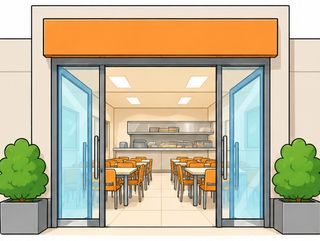
④. 상황에 맞는 장소를 고르세요. It is lunchtime and you are hungry. Where do you go?
⑤. 틀린 문장을 고르세요. Choose the incorrect sentence.
5. 문장 읽기 · Read & Record
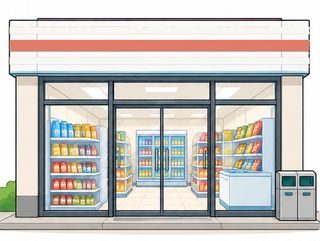
편의점이 어디예요? — 저기예요.pyeonuijeomi eodiyeyo? — jeogiyeyoWhere is the convenience store? — It’s over there.
먼저 읽고 녹음하세요. / Read first, then record.
6. 말하기 · Speak
뜻이나 상황을 보고 먼저 한국어로 말한 뒤 녹음하세요. Look at the meaning or situation, say it in Korean first, then record.
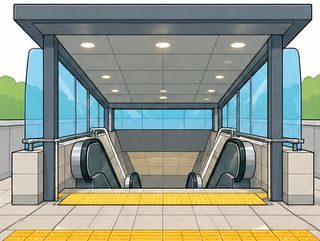
Ask where the station is.
먼저 말하고 녹음하세요. / Say it first, then record.
Someone asks where the restroom is. Point and answer.
먼저 말하고 녹음하세요. / Say it first, then record.
7. 노트에 쓰기 · Write
어디·저기·식당·편의점·역·화장실을 2번씩 쓰고, “○○이/가 어디예요?”를 2문장 써 보세요. Write each new word twice, then write two “○○이/가 어디예요?” questions.
Master Check
□ “○○이/가 어디예요?”라고 물을 수 있다. I can ask where a place is.
□ “저기예요.”라고 대답할 수 있다. I can answer “저기예요.”
문항을 틀렸다면 다시 듣고 다시 시도하세요. If you missed a question, listen again and retry.
DAY 52 · WEEK 11
은행 옆이에요 — 위치 말하기
위·아래·앞·뒤·옆·안·밖으로 위치를 말합니다. Say where something is with position words.
Day 51 복습 어디 · 저기eodi · jeogiwhere · over there식당 · 편의점 · 역sikdang · pyeonuijeom · yeok화장실이 어디예요? — 저기예요.hwajangsiri eodiyeyo? — jeogiyeyo Listen and read each item again before today’s new learning.
2. 오늘의 핵심 표현 · Key expressions
위wiabove / on top아래araebelow / under앞apin front뒤dwibehind옆yeopnext to안aninside밖bakoutside
위치 말은 장소 뒤에 와요: 은행 옆 = next to the bank, 역 앞 = in front of the station. + 이에요/예요: 은행 옆이에요 [여피에요], 역 앞이에요 [아피에요], 식당 뒤예요. 여기의 안은 inside예요. (4주의 안 = not 과 다른 뜻) Position words come after the place: 은행 옆 = next to the bank, 역 앞 = in front of the station. Then add 이에요/예요: 은행 옆이에요, 역 앞이에요, 식당 뒤예요. Here 안 means “inside” — different from 안 = “not” in Week 4.
은행 옆이에요.eunhaeng yeopieyo [여피에요]It is next to the bank.
역 앞이에요.yeok apieyo [아피에요]It is in front of the station.
식당 뒤예요.sikdang dwiyeyoIt is behind the restaurant.
3. 듣기 · Listen
1. 듣고 알맞은 뜻을 고르세요. Listen and choose the meaning.
2. 질문을 듣고 알맞은 대답을 고르세요. Listen to the question and choose the best reply.
4. 이해 · 적용 · Understand & apply
③. 반대말을 고르세요: 앞 Choose the opposite of 앞.
④. “은행 안”에서 안의 뜻을 고르세요. In “은행 안,” what does 안 mean?
⑤. ‘It is in front of the station.’을 한국어로 고르세요. Choose the Korean for “It is in front of the station.”
5. 문장 읽기 · Read & Record
은행편의점
은행이 편의점 옆이에요. The bank is next to the convenience store.
은행이 어디예요? — 편의점 옆이에요.eunhaeng-i eodiyeyo? — pyeonuijeom yeopieyoWhere is the bank? — It is next to the convenience store.
먼저 읽고 녹음하세요. / Read first, then record.
6. 말하기 · Speak
뜻이나 상황을 보고 먼저 한국어로 말한 뒤 녹음하세요. Look at the meaning or situation, say it in Korean first, then record.
The restroom is behind the restaurant. Say where it is.
먼저 말하고 녹음하세요. / Say it first, then record.
Ask where the bank is.
먼저 말하고 녹음하세요. / Say it first, then record.
7. 노트에 쓰기 · Write
위·아래·앞·뒤·옆·안·밖을 2번씩 쓰고, “○○ 옆이에요.” 같은 문장을 2개 써 보세요. Write each position word twice, then write two sentences like “○○ 옆이에요.”
Master Check
□ 위치 말로 어디에 있는지 말할 수 있다. I can say where something is with position words.
□ “은행 옆이에요” 같은 대답을 알아들을 수 있다. I can understand answers like “은행 옆이에요.”
문항을 틀렸다면 다시 듣고 다시 시도하세요. If you missed a question, listen again and retry.
DAY 53 · WEEK 11
있어요? — 네, 있어요 / 아니요, 없어요
물건이 있는지 묻고 네/아니요로 대답합니다. Ask whether someone has something and answer yes or no.
Day 52 복습 위 · 아래 · 앞 · 뒤wi · arae · ap · dwi옆 · 안 · 밖yeop · an · bak은행 옆이에요.eunhaeng yeopieyo Listen and read each item again before today’s new learning.
2. 오늘의 핵심 표현 · Key expressions
있어요isseoyo [이써요]there is / I have없어요eopseoyo [업써요]there isn’t / I don’t have가방gabangbag네neyes아니요aniyono
있어요 = there is / I have, 없어요 = there isn’t / I don’t have. (4주 Day 17 복습) 질문은 끝을 올려요 ↗: 가방이 있어요? 대답 → 네, 있어요. / 아니요, 없어요.있어요 = there is / I have; 없어요 = there isn’t / I don’t have (review from Week 4, Day 17). For a question, raise your voice at the end ↗: 가방이 있어요? Answer: 네, 있어요. / 아니요, 없어요.
가방이 있어요?gabang-i isseoyo? ↗Do you have a bag?
네, 있어요.ne, isseoyoYes, I do.
아니요, 없어요.aniyo, eopseoyoNo, I don’t.
3. 듣기 · Listen
1. 듣고 알맞은 뜻을 고르세요. Listen and choose the meaning.
2. 들리는 말을 고르세요. Listen and choose the word you hear.
4. 이해 · 적용 · Understand & apply
③. 질문에 알맞은 대답을 고르세요: 가방이 있어요? Choose the best reply to “가방이 있어요?”
④. 상황에 맞는 대답을 고르세요. You don’t have gloves. Your team leader asks “장갑이 있어요?” Answer.
⑤. 빈칸에 알맞은 것을 고르세요: 의자___ 있어요. Fill in the blank: 의자___ 있어요. (There is a chair.)
5. 문장 읽기 · Read & Record
장갑이 있어요? — 네, 있어요.janggabi isseoyo? — ne, isseoyoDo you have gloves? — Yes, I do.
먼저 읽고 녹음하세요. / Read first, then record.
6. 말하기 · Speak
뜻이나 상황을 보고 먼저 한국어로 말한 뒤 녹음하세요. Look at the meaning or situation, say it in Korean first, then record.
Ask “Do you have a book?”
먼저 말하고 녹음하세요. / Say it first, then record.
You don’t have a bag. Answer “No, I don’t.”
먼저 말하고 녹음하세요. / Say it first, then record.
7. 노트에 쓰기 · Write
“○○이/가 있어요?”와 대답 두 가지(네, 있어요 / 아니요, 없어요)를 써 보세요. Write a “○○이/가 있어요?” question and both answers (네, 있어요 / 아니요, 없어요).
Master Check
□ “○○이/가 있어요?”라고 물을 수 있다. I can ask if someone has something.
□ 네/아니요로 있어요·없어요 대답을 할 수 있다. I can answer with 네, 있어요 / 아니요, 없어요.
문항을 틀렸다면 다시 듣고 다시 시도하세요. If you missed a question, listen again and retry.
DAY 54 · WEEK 11
학교에 가요 — 장소 + 에 가요/와요
어디에 가는지, 어디에 오는지 말합니다. Say where you are going and where you are coming.
Day 53 복습 있어요 · 없어요isseoyo · eopseoyo네 · 아니요ne · aniyoyes · no가방이 있어요? — 네, 있어요.gabang-i isseoyo? — ne, isseoyo Listen and read each item again before today’s new learning.
2. 오늘의 핵심 표현 · Key expressions
학교hakgyo [학꾜]school에eto (a place)가요gayogo와요wayocome집jiphome / house
장소 + 에 가요 = go to a place: 학교에 가요. 장소 + 에 와요 = come to a place: 집에 와요. Day 50에는 시간 뒤에 에(여덟 시에), 오늘은 장소 뒤에 에예요. 와요 = come (지금 있는 곳으로) · 가요 = go (다른 곳으로) 어디에 가요? = Where are you going? Place + 에 가요 = go to a place: 학교에 가요. Place + 에 와요 = come to a place: 집에 와요. On Day 50, 에 came after a time (여덟 시에); today it comes after a place. 와요 = come (toward where you are now); 가요 = go (to another place). Leaving work for home → 집에 가요. 어디에 가요? = Where are you going?
학교에 가요.hakgyoe gayo [학꾜에]I go to school.
집에 와요.jibe wayo [지베]I come home.
어디에 가요? — 회사에 가요.eodie gayo? — hoesae gayoWhere are you going? — I’m going to the company.
3. 듣기 · Listen
1. 듣고 알맞은 뜻을 고르세요. Listen and choose the meaning.
2. 질문을 듣고 알맞은 대답을 고르세요. Listen to the question and choose the best reply.
4. 이해 · 적용 · Understand & apply
③. 빈칸에 알맞은 것을 고르세요: 학교___ 가요. Fill in the blank: 학교___ 가요. (I go to school.)
④. 상황에 맞는 문장을 고르세요. It is 6 PM. Joy leaves work and goes home. Choose the sentence.
⑤. 틀린 문장을 고르세요. Choose the incorrect sentence.
5. 문장 읽기 · Read & Record
저는 아침에 회사에 가요. 저녁에 집에 가요.jeoneun achime hoesae gayo. jeonyeoge jibe gayoI go to the company in the morning. I go home in the evening.
먼저 읽고 녹음하세요. / Read first, then record.
6. 말하기 · Speak
뜻이나 상황을 보고 먼저 한국어로 말한 뒤 녹음하세요. Look at the meaning or situation, say it in Korean first, then record.
Ask “Where are you going?”
먼저 말하고 녹음하세요. / Say it first, then record.
You are going to the convenience store. Answer.
먼저 말하고 녹음하세요. / Say it first, then record.
7. 노트에 쓰기 · Write
“○○에 가요.”와 “○○에 와요.”를 장소를 바꾸어 2문장씩 써 보세요. Write two “○○에 가요.” and two “○○에 와요.” sentences with different places.
Master Check
□ “○○에 가요/와요”로 말할 수 있다. I can say where I go or come with 에 가요/와요.
□ “어디에 가요?”라고 물을 수 있다. I can ask “어디에 가요?”
문항을 틀렸다면 다시 듣고 다시 시도하세요. If you missed a question, listen again and retry.
DAY 55 · WEEK 11
는 · 이/가 · 에 — 문장 조각 모아 보기
지금까지 배운 는, 이/가, 에가 들어간 문장을 구별합니다. 다음 주(12주)에는 일터 생활 표현을 배웁니다. Notice and sort sentences with 는, 이/가, and 에. Next week (Week 12) you will learn work-life expressions.
Day 54 복습 학교에 가요.hakgyoe gayo집에 와요.jibe wayo어디에 가요?eodie gayo? Listen and read each item again before today’s new learning.
2. 오늘의 핵심 표현 · Key expressions
은/는eun/neunwho/what the sentence is about이/가i/gawhat there is / where is에eto / at (place, time)
새 낱말은 없어요. 지금까지 배운 문장을 모아 보면: 저는 학생이에요 · 제 이름은 조이예요 → 누구/무엇에 대한 말인지 (받침 없음 는, 받침 있음 은) 가방이 있어요 · 회사가 어디예요? → 있어요/어디예요 앞 (받침 있음 이, 없음 가) 학교에 가요 · 여덟 시에 → 장소·시간 뒤 규칙을 외우지 말고 문장 덩어리로 익혀요. No new words today. Look at the sentences you know: 저는 학생이에요 / 제 이름은 조이예요 → shows who or what the sentence is about (는 after no final consonant, 은 after a final consonant). 가방이 있어요 / 회사가 어디예요? → before 있어요 or 어디예요 (이 after a final consonant, 가 after none). 학교에 가요 / 여덟 시에 → after a place or time. Don’t memorize rules — learn the sentences as chunks.
저는 회사원이에요.jeoneun hoesawonieyoI am an office worker.
가방이 있어요.gabang-i isseoyoThere is a bag.
회사에 가요.hoesae gayoI go to the company.
3. 듣기 · Listen
1. 듣고 알맞은 뜻을 고르세요. Listen and choose the meaning.
2. 대화를 듣고 조이가 어디에 가는지 고르세요. Listen to the conversation. Where is Joy going?
4. 이해 · 적용 · Understand & apply
③. 빈칸에 알맞은 것을 고르세요: 저___ 학생이에요. Fill in the blank: 저___ 학생이에요. (I am a student.)
④. 어디에 가는지 말하는 문장을 고르세요. Which sentence tells WHERE someone goes?
⑤. 틀린 문장을 고르세요. Choose the incorrect sentence.
5. 문장 읽기 · Read & Record
집회사
집이 회사 옆이에요. My home is next to the company.
저는 조이예요. 집이 회사 옆이에요. 아침에 회사에 가요.jeoneun joiyeyo. jibi hoesa yeopieyo. achime hoesae gayoI am Joy. My home is next to the company. I go to the company in the morning.
먼저 읽고 녹음하세요. / Read first, then record.
6. 말하기 · Speak
뜻이나 상황을 보고 먼저 한국어로 말한 뒤 녹음하세요. Look at the meaning or situation, say it in Korean first, then record.
Introduce yourself in three sentences: your name, where your home is, and where you go in the morning.
먼저 말하고 녹음하세요. / Say it first, then record.
Say “I go home.”
먼저 말하고 녹음하세요. / Say it first, then record.
7. 노트에 쓰기 · Write
는 · 이/가 · 에가 들어간 내 문장을 하나씩, 모두 3문장 써 보세요. Write three sentences about yourself — one each with 는, 이/가, and 에.
Master Check
□ 는, 이/가, 에가 들어간 문장을 읽고 뜻을 알 수 있다. I can read and understand sentences with 는, 이/가, and 에.
□ 나에 대해 3문장으로 말할 수 있다. I can say three sentences about myself.
문항을 틀렸다면 다시 듣고 다시 시도하세요. If you missed a question, listen again and retry.
SATURDAY · WEEK 11
11주차 누적 복습 · 장소와 위치
이번 주 장소·위치·있어요/없어요·에 가요를 새로운 문제로 다시 확인합니다. Review this week’s places, position words, 있어요/없어요, and 에 가요 with new questions.
11주 복습 화장실이 어디예요? — 저기예요.hwajangsiri eodiyeyo? — jeogiyeyo은행 옆이에요.eunhaeng yeopieyo가방이 있어요? — 아니요, 없어요.gabang-i isseoyo? — aniyo, eopseoyo학교에 가요.hakgyoe gayo반장님banjangnim Listen and read each item again before today’s new learning.
2. 오늘의 핵심 표현 · Key expressions
여보세요yeoboseyoHello? (on the phone)누구세요?nuguseyo?Who is it? / Who is calling? (polite)잠깐만요jamkkanmanyoJust a moment.알겠습니다algetseumnida [알겓씀니다]I understand. / Okay. (polite)
여보세요는 전화를 받거나 걸 때 처음 하는 말입니다. 얼굴을 보고 만날 때는 안녕하세요. 누구세요?는 6주에 배운 누구예요?보다 정중한 말이에요. 전화나 문 앞에서 써요. 반장님·사장님의 말을 이해했을 때 → 알겠습니다. (네보다 정중해요) 여보세요 is the first word when you answer or make a phone call. Face to face, say 안녕하세요. 누구세요? is a more polite form of 누구예요? (Week 6) — use it on the phone or at the door. When you understand your team leader or boss → 알겠습니다. (more polite than 네)
누구세요? — 조이예요.nuguseyo? — joi-yeyoWho is calling? — It’s Joy.
잠깐만요.jamkkanmanyoJust a moment.
A worker answers the phone.
3. 듣기 · Listen
1. 들리는 말을 고르세요. Listen and choose what you hear.
2. 듣고 알맞은 뜻을 고르세요. Listen and choose the meaning.
4. 이해 · 적용 · Understand & apply
③. 전화 대화를 완성하세요. “누구세요?” — ___ Complete the phone call. “누구세요?” — ___ (You are Joy.)
④. 반장님: “내일 여덟 시에 와요.” On the phone. You understand. What do you say?
⑤. 어색한 대화를 고르세요. Choose the conversation that does not make sense.
5. 문장 읽기 · Read & Record
여보세요? 네, 반장님. 알겠습니다.yeoboseyo? ne, banjangnim. algetseumnidaHello? Yes, team leader. I understand.
먼저 읽고 녹음하세요. / Read first, then record.
6. 말하기 · Speak
뜻이나 상황을 보고 먼저 한국어로 말한 뒤 녹음하세요. Look at the meaning or situation, say it in Korean first, then record.
The phone rings. Answer it.
먼저 말하고 녹음하세요. / Say it first, then record.
Your team leader asks you something on the phone. Ask them to wait a moment.
먼저 말하고 녹음하세요. / Say it first, then record.
7. 노트에 쓰기 · Write
네 표현을 각각 3번씩 쓰고, “여보세요? — 누구세요? — ○○예요.” 전화 대화를 하나 써 보세요. Write each of the four expressions three times, then write one phone call: “여보세요? — 누구세요? — ○○예요.”
Master Check
□ 전화를 받을 때 “여보세요?”라고 말할 수 있다. I can say “여보세요?” when I answer the phone.
□ “누구세요?”에 대답하고, “잠깐만요/알겠습니다”를 알맞게 쓸 수 있다. I can answer “누구세요?” and use 잠깐만요 and 알겠습니다 correctly.
문항을 틀렸다면 다시 듣고 다시 시도하세요. If you missed a question, listen again and retry.
DAY 57 · WEEK 12
지금 어디예요? — 일터 장소
일터의 장소(기숙사·사무실·창고)를 익히고 내가 있는 곳을 말합니다. Learn three places at work (dormitory, office, warehouse) and say where you are.
있는 곳을 말할 때 → ○○에 있어요 (4주): 기숙사에 있어요. 위치를 말할 때 → ○○ 앞이에요 / 옆이에요 (11주): 창고 앞이에요. (앞 앞에는 에를 쓰지 않아요) 지금 어디예요? = 지금(10주) + 어디예요(11주) To say where you are → ○○에 있어요 (Week 4). To say the position → ○○ 앞이에요 / 옆이에요 (Week 11): 창고 앞이에요. (no 에 before 앞) · 지금 어디예요? = 지금 (Week 10) + 어디예요 (Week 11)
지금 어디예요? — 기숙사에 있어요.jigeum eodiyeyo? — gisuksa-e isseoyoWhere are you now? — I’m in the dormitory.
지금 어디예요? — 창고 앞이에요.jigeum eodiyeyo? — changgo apieyoWhere are you now? — I’m in front of the warehouse.
반장님이 사무실에 있어요.banjangnim-i samusire isseoyoThe team leader is in the office.
3. 듣기 · Listen
1. 들리는 장소를 고르세요. Listen and choose the place you hear.
2. 듣고 알맞은 뜻을 고르세요. Listen and choose the meaning.
4. 이해 · 적용 · Understand & apply
③. 빈칸에 알맞은 것을 고르세요: 기숙사___ 있어요. Fill in the blank: 기숙사___ 있어요.
④. 반장님: “지금 어디예요?” 알맞은 대답을 고르세요. Team leader: “지금 어디예요?” You are at your desk in the room where staff do paperwork. Choose the right answer.
⑤. 틀린 문장을 고르세요. Choose the incorrect sentence.
5. 문장 읽기 · Read & Record
지금 어디예요? — 창고 앞이에요.jigeum eodiyeyo? — changgo apieyoWhere are you now? — I’m in front of the warehouse.
먼저 읽고 녹음하세요. / Read first, then record.
6. 말하기 · Speak
뜻이나 상황을 보고 먼저 한국어로 말한 뒤 녹음하세요. Look at the meaning or situation, say it in Korean first, then record.
반장님: 지금 어디예요? (You are in the dormitory.)
먼저 말하고 녹음하세요. / Say it first, then record.
I’m in front of the office.
먼저 말하고 녹음하세요. / Say it first, then record.
7. 노트에 쓰기 · Write
기숙사 · 사무실 · 창고를 각각 3번씩 쓰고, “지금 어디예요? — ○○에 있어요.” 대화를 2개 써 보세요. Write 기숙사, 사무실, and 창고 three times each, then write two “지금 어디예요? — ○○에 있어요.” dialogues.
Master Check
□ 기숙사·사무실·창고의 뜻을 알 수 있다. I know the meanings of 기숙사, 사무실, and 창고.
□ “지금 어디예요?”에 “○○에 있어요 / ○○ 앞이에요”로 대답할 수 있다. I can answer “지금 어디예요?” with ○○에 있어요 or ○○ 앞이에요.
문항을 틀렸다면 다시 듣고 다시 시도하세요. If you missed a question, listen again and retry.
DAY 58 · WEEK 12
몇 시에 와요? — 시간 약속
오는 시간을 묻고 대답하고, 늦었을 때 사과합니다. Ask and answer what time someone comes, and apologize when you are late.
Day 57 복습 기숙사gisuksa사무실samusil창고changgo지금 어디예요? — 기숙사에 있어요.jigeum eodiyeyo? — gisuksa-e isseoyo Listen and read each item again before today’s new learning.
2. 오늘의 핵심 표현 · Key expressions
늦어요neujeoyoI’ll be late. / (someone) is late일찍iljjikearly
시간 뒤에 에 (10주): 여덟 시에 와요. 시는 고유어 숫자(9주): 한 시, 두 시 … 여덟 시, 아홉 시 · 분은 한자어 숫자(8주): 삼십 분 · 30분 = 반 9시 전에 전화로 → 늦어요. 죄송합니다. (7주 죄송합니다) · 일찍 와요 = come early Put 에 after a time (Week 10): 여덟 시에 와요. Hours use native Korean numbers (Week 9): 한 시 … 여덟 시. Minutes use Sino-Korean numbers (Week 8): 삼십 분, and 30 minutes = 반. When you will be late → 늦어요. 죄송합니다. (죄송합니다 from Week 7) · 일찍 와요 = come early
몇 시에 와요? — 여덟 시에 와요.myeot sie wayo? [멷 씨에 와요] — yeodeol sie wayoWhat time do you come? — I come at eight.
늦어요. 죄송합니다.neujeoyo. joesonghamnidaI’ll be late. I’m sorry.
내일 일찍 와요.naeil iljjik wayoI’ll come early tomorrow.
몇 시부터 시작이에요? — 여덟 시부터예요.myeot sibuteo sijagieyo? [멷 씨부터] — yeodeol sibuteoyeyoWhat time does it start? — It starts at eight. (부터 = from, 시작 = start)
3. 듣기 · Listen
1. 듣고 시각을 고르세요. Listen and choose the time.
2. 시계를 보세요. 몇 시예요? Look at the clock. What time is it?
4. 이해 · 적용 · Understand & apply
③. 빈칸에 알맞은 것을 고르세요: 여덟 ___에 와요. Fill in the blank: 여덟 ___에 와요. (I come at 8 o’clock.)
④. 반장님에게 뭐라고 말해요? Work starts at 9:00. It’s 8:55. You are still in the dormitory. Call your team leader. What do you say?
⑤. 틀린 문장을 고르세요. Choose the incorrect sentence.
5. 문장 읽기 · Read & Record
몇 시에 와요? — 여덟 시에 와요.myeot sie wayo? [멷 씨에 와요] — yeodeol sie wayoWhat time do you come? — I come at eight.
먼저 읽고 녹음하세요. / Read first, then record.
6. 말하기 · Speak
뜻이나 상황을 보고 먼저 한국어로 말한 뒤 녹음하세요. Look at the meaning or situation, say it in Korean first, then record.
반장님: 몇 시에 와요? (You come at 7:00.)
먼저 말하고 녹음하세요. / Say it first, then record.
Work starts at 9:00. It’s 8:55 and you are still in the dormitory. Call your team leader and apologize.
먼저 말하고 녹음하세요. / Say it first, then record.
7. 노트에 쓰기 · Write
내가 출근하는 시각으로 “몇 시에 와요? — ○ 시에 와요.” 대화를 쓰고, “늦어요. 죄송합니다.”를 3번 써 보세요. Write “몇 시에 와요? — ○ 시에 와요.” with your own start time, then write “늦어요. 죄송합니다.” three times.
Master Check
□ “몇 시에 와요?”에 고유어 숫자 + 시에로 대답할 수 있다. I can answer “몇 시에 와요?” with a native number + 시에.
□ 늦었을 때 “늦어요. 죄송합니다.”라고 말할 수 있다. I can say “늦어요. 죄송합니다.” when I will be late.
문항을 틀렸다면 다시 듣고 다시 시도하세요. If you missed a question, listen again and retry.
DAY 59 · WEEK 12
오늘 야근 있어요? — 일정 · 휴일
야근·휴일·휴가가 있는지 묻고 대답합니다. Ask and answer about overtime, days off, and vacation.
Day 58 복습 늦어요neujeoyo일찍iljjik몇 시에 와요? — 여덟 시에 와요.myeot sie wayo? [멷 씨에 와요] — yeodeol sie wayo늦어요. 죄송합니다.neujeoyo. joesonghamnida Listen and read each item again before today’s new learning.
This week: overtime (야근) on Wednesday, day off (휴일) on Sunday.
있어요? / 없어요 (11주): 오늘 야근 있어요? — 아니요, 없어요. 휴일 · 휴가 · 무슨 요일 (10주) Ask about your schedule with 있어요? / 없어요 (Week 11). 휴일 = a day off (a day you don’t work, usually every week). 휴가 = vacation (several days off you get from the company). 무슨 요일 = what day (Week 10).
오늘 야근 있어요? — 아니요, 없어요.oneul yageun isseoyo? — aniyo, eopseoyoIs there overtime today? — No, there isn’t.
무슨 요일이 휴일이에요? — 일요일이에요.museun yoiri hyuiri-eyo? — iryoil-ieyoWhich day is the day off? — It’s Sunday.
내일 휴가예요.naeil hyuga-yeyoTomorrow I’m on vacation.
3. 듣기 · Listen
1. 들리는 낱말을 고르세요. Listen and choose the word you hear.
2. 듣고 휴일인 요일을 고르세요. Listen and choose the day off.
4. 이해 · 적용 · Understand & apply
③. ‘휴가’의 뜻을 고르세요. Choose the meaning of ‘휴가’.
④. 반장님: “오늘 야근 있어요?” 알맞은 대답을 고르세요. There is overtime today. Team leader: “오늘 야근 있어요?” Choose the right answer.
⑤. 일정을 말하는 낱말이 아닌 것을 고르세요. Choose the word that is NOT about your work schedule.
5. 문장 읽기 · Read & Record
오늘 야근 있어요? — 아니요, 없어요.oneul yageun isseoyo? — aniyo, eopseoyoIs there overtime today? — No, there isn’t.
먼저 읽고 녹음하세요. / Read first, then record.
6. 말하기 · Speak
뜻이나 상황을 보고 먼저 한국어로 말한 뒤 녹음하세요. Look at the meaning or situation, say it in Korean first, then record.
무슨 요일이 휴일이에요? (Sunday)
먼저 말하고 녹음하세요. / Say it first, then record.
Tomorrow I’m on vacation.
먼저 말하고 녹음하세요. / Say it first, then record.
7. 노트에 쓰기 · Write
야근 · 휴일 · 휴가를 각각 3번씩 쓰고, 이번 주 내 일정(야근·휴일)을 한국어로 2문장 써 보세요. Write 야근, 휴일, and 휴가 three times each, then write two Korean sentences about your schedule this week.
Master Check
□ 야근·휴일·휴가의 뜻을 구별할 수 있다. I can tell 야근, 휴일, and 휴가 apart.
□ “야근 있어요?”에 네/아니요로 대답하고, 휴일인 요일을 말할 수 있다. I can answer “야근 있어요?” with yes or no and say which day is my day off.
문항을 틀렸다면 다시 듣고 다시 시도하세요. If you missed a question, listen again and retry.
DAY 60 · WEEK 12
반장님 전화 — 통합 대화
이번 주 표현을 한 통의 전화 대화로 연결합니다. 다음 주(13주)에는 일터의 하루를 동사로 말합니다. Connect this week’s expressions in one phone call. Next week (Week 13) you will talk about a workday with action verbs.
Day 59 복습 야근yageun휴일hyuil휴가hyuga오늘 야근 있어요? — 아니요, 없어요.oneul yageun isseoyo? — aniyo, eopseoyo Listen and read each item again before today’s new learning.
2. 오늘의 핵심 표현 · Key expressions
새 낱말은 없습니다. 반장님과 조이의 전화를 듣고 따라 읽으세요. No new words today. Listen to the call between the team leader and Joy, and read along.
Joy talks with her team leader on the phone.
반장님: 여보세요? 조이 씨, 지금 어디예요?yeoboseyo? joi ssi, jigeum eodiyeyo?Hello? Joy, where are you now?
조이: 기숙사에 있어요.gisuksa-e isseoyoI’m in the dormitory.
반장님: 오늘 야근 있어요.oneul yageun isseoyoThere is overtime today.
조이: 네. 몇 시부터 시작이에요?ne. myeot sibuteo sijagieyo? [멷 씨부터]Okay. What time does it start?
반장님: 저녁 여섯 시부터예요.jeonyeok yeoseot sibuteoyeyoIt starts at six in the evening.
조이: 알겠습니다. 내일도 야근 있어요?algetseumnida [알겓씀니다]. naeildo yageun isseoyo?I understand. Is there overtime tomorrow too?
반장님: 아니요, 내일 휴일이에요.aniyo, naeil hyuirieyoNo, tomorrow is a day off.
조이: 네, 감사합니다.ne, gamsahamnidaOkay, thank you.
다음 주 예고: 일터의 하루 — 만나요 · 봐요 · 쉬어요 같은 동사로 하루를 말해요. Next week: a day at work — talk about your day with verbs like 만나요, 봐요, and 쉬어요.
3. 듣기 · Listen
1. 전화를 듣고 이 사람이 있는 곳을 고르세요. Listen to the call and choose where the speaker is.
2. 전화를 듣고 오는 시각을 고르세요. Listen to the call and choose the time.
4. 이해 · 적용 · Understand & apply
③. 대화 순서가 맞는 것을 고르세요. Choose the correct order for the phone call.
④. 반장님: “오늘 야근 있어요.” 시작 시간을 묻고 싶어요. Team leader: “오늘 야근 있어요.” You want to ask what time it starts.
⑤. 위 대화와 맞지 않는 것을 고르세요. Choose the sentence that does NOT match the call above.
5. 문장 읽기 · Read & Record
기숙사에 있어요. 몇 시부터 시작이에요?gisuksa-e isseoyo. myeot sibuteo sijagieyo? [멷 씨부터]I’m in the dormitory. What time does it start?
먼저 읽고 녹음하세요. / Read first, then record.
6. 말하기 · Speak
뜻이나 상황을 보고 먼저 한국어로 말한 뒤 녹음하세요. Look at the meaning or situation, say it in Korean first, then record.
조이 역할 · 반장님: 여보세요? 조이 씨, 지금 어디예요? Joy’s role. You are in the warehouse.
먼저 말하고 녹음하세요. / Say it first, then record.
조이 역할 · 반장님: 저녁 여섯 시부터예요. Joy’s role. Tell your team leader you understand.
먼저 말하고 녹음하세요. / Say it first, then record.
7. 노트에 쓰기 · Write
전화 대화를 한 번 베껴 쓰고, 조이의 말을 내 상황(장소·시간)으로 바꿔 한 번 더 써 보세요. Copy the phone call once, then rewrite Joy’s lines with your own place and time.
Master Check
□ 전화를 받고 장소·시간·일정을 묻고 대답할 수 있다. I can answer a phone call and ask and answer about place, time, and schedule.
□ “알겠습니다.”로 대화를 마무리할 수 있다. I can close a conversation with “알겠습니다.”
문항을 틀렸다면 다시 듣고 다시 시도하세요. If you missed a question, listen again and retry.
SATURDAY · WEEK 12 · MONTH 3 CHECK
3개월 종합 진단 · 9~12주
3개월(9~12주) 동안 배운 고유어 숫자·시간·날짜와 장소·위치·일터 생활을 10문항으로 진단합니다. 처음 고른 답으로 점수가 계산됩니다. Check native numbers, time, and dates, plus places, positions, and work life from Month 3 (Weeks 9–12) in 10 questions. Your first answer is scored.
9~12주 핵심을 눌러 듣고 따라 읽습니다. Tap each key item from Weeks 9–12, listen, and repeat.
세 개se gae다섯 명daseot myeong열 살yeol sal열 시yeol si오후ohu월요일woryoil어디eodi앞ap뒤dwi옆yeop있어요isseoyo없어요eopseoyo여보세요yeoboseyo기숙사gisuksa야근yageun알겠습니다algetseumnida [알겓씀니다]
2. 듣기 · 4분 Listening · 4 min
Q1. 듣고 시각을 고르세요. Listen and choose the time.
Q2. 듣고 알맞은 것을 고르세요. Listen and choose the right one.
Q3. 듣고 이 사람이 있는 곳을 고르세요. Listen and choose where the speaker is.
3. 구별·선택 · 5분 Distinguish & choose · 5 min
Q4. ‘4 o’clock’을 바르게 말한 것을 고르세요. Choose the correct way to say “4 o’clock.”
Q5. ‘21 years old’를 바르게 말한 것을 고르세요. Choose the correct way to say “21 years old.”
Q6. 빈칸에 알맞은 것을 고르세요: 편의점이 은행 ___. The convenience store is in front of the bank. Fill in the blank: 편의점이 은행 ___.
Q7. “사무실이 어디예요?”에 알맞은 대답을 고르세요. Choose the best reply to “사무실이 어디예요?”
4. 단어·문장 읽기 · 6분 Read words & sentences · 6 min
문장을 소리 내어 읽고 녹음합니다. Read the sentences aloud and record.
저는 아침 여덟 시에 출근해요.jeoneun achim yeodeol sie chulgeunhaeyoI go to work at eight in the morning.
편의점이 은행 옆이에요.pyeonuijeom-i eunhaeng yeopieyoThe convenience store is next to the bank.
먼저 읽고 녹음하세요. / Read first, then record.
Q8. 읽고 알맞은 뜻을 고르세요: 오늘은 삼월 오일이에요. Read and choose the meaning: 오늘은 삼월 오일이에요.
5. 말하기 · 5분 Speaking · 5 min
뜻이나 상황을 보고 먼저 한국어로 말한 뒤 녹음합니다. Look at the meaning or situation, say it in Korean first, then record.
How many people are there? (Ask the question.)
먼저 말하고 녹음하세요. / Say it first, then record.
It is half past three.
먼저 말하고 녹음하세요. / Say it first, then record.
Ask your co-worker where they are now.
먼저 말하고 녹음하세요. / Say it first, then record.
6. 최종 확인·쓰기 · 5분 Final check & writing · 5 min
Q9. 반장님: “지금 어디예요?” 알맞은 대답을 고르세요. Team leader: “지금 어디예요?” You are next to the dormitory. Choose the right answer.
Q10. ‘위 (above)’의 반대말을 고르세요. Choose the opposite of 위 (above).
노트에 쓰기 · Writing
틀린 문항의 낱말이나 문장을 바르게 고쳐 각각 3번씩 써 보세요. Rewrite each item you missed correctly, three times each.
7. 오답 재학습 · 2분 Review mistakes · 2 min
내 영역별 점수입니다. 80% 미만(5문항 중 3개 이하) 영역은 아래 수업을 다시 보고 13주를 시작하세요. Your score by area. For any area below 80% (3 or fewer of 5), revisit the lessons below before starting Week 13.
다시 볼 수업 · 숫자·시간: 장소·일터 생활: Numbers & time: Week 9 (Days 41–45), Week 10 (Days 46–50), Day 58. Places & work life: Week 11 (Days 51–55), Days 56, 57, 59.
틀린 문제만 다시 풀기 → 해당 Day로 돌아가 다시 듣기 → 소리 내어 다시 말하기 Redo only the questions you missed → go back to that day and listen again → say it aloud again.
Master Check
□ 고유어 숫자(개·명·살·시)와 한자어 숫자(분·월·일)를 구별해 쓸 수 있다. I can use native numbers (개, 명, 살, 시) and Sino-Korean numbers (분, 월, 일) correctly.
□ 장소와 위치를 묻고 대답하고, 일터 전화(여보세요·지금 어디예요?·몇 시에 와요?)를 할 수 있다. I can ask and answer about places and positions, and handle a work phone call.
□ 두 영역 모두 80% 이상이다. (아니면 위 수업을 다시 본다) Both areas are 80% or higher. (If not, revisit the lessons above.)
□ 3개월 과정 완료! 80% 미만 영역은 13주 시작 전에 다시 봅니다.Month 3 complete! Revisit any area below 80% before Week 13.