Day 100 복습 듣기 · 읽기deutgi · ilgilistening · reading (exam parts)네, 오늘 버스로 회사에 가요.ne, oneul beoseuro hoesa-e gayo아니요, 아파서 못 가요.aniyo, apaseo mot gayo Listen and read each item again before today’s new learning.
2. 오늘의 핵심 표현 · Key expressions
-(으)ㄹ 거예요(예: 갈 거예요, 먹을 거예요)-(eu)l kkeoyeyowill, be going to (plans)이번 주ibeon juthis week이번 주말ibeon jumalthis weekend도doalso, too
동사에서 -다를 빼고 -(으)ㄹ 거예요 = 계획(앞으로 할 일). 받침 없으면 ㄹ 거예요: 가다 → 갈 거예요, 쉬다 → 쉴 거예요, 만나다 → 만날 거예요. 받침 있으면 을 거예요: 먹다 → 먹을 거예요, 읽다 → 읽을 거예요. 묻기: 뭐 할 거예요? 때를 말하는 낱말과 같이 써요: 내일, 주말에, 이번 주. 거예요는 [꺼예요]로 소리 나요. 낱말 + 도 = also: 단어도 공부할 거예요. Take -다 off a verb and add -(으)ㄹ 거예요 to talk about a plan. No final consonant → ㄹ 거예요: 가다 → 갈 거예요, 쉬다 → 쉴 거예요, 만나다 → 만날 거예요. Final consonant → 을 거예요: 먹다 → 먹을 거예요, 읽다 → 읽을 거예요. Ask: 뭐 할 거예요? Use time words with it: 내일, 주말에, 이번 주 (this week). 거예요 sounds like [꺼예요]. Word + 도 = also, too: 저도 갈 거예요 (I’ll go too).
주말에 친구 만날 거예요.jumare chingu mannal kkeoyeyoI’m going to meet a friend on the weekend.
내일은 집에서 쉴 거예요.naeireun jibeseo swil kkeoyeyoTomorrow I’m going to rest at home.
이번 주말에 뭐 할 거예요?ibeon jumare mwo hal kkeoyeyo?What are you doing this weekend?
3. 듣기 · Listen
1. 듣고 이 사람이 친구를 만나는 날을 고르세요. Listen. When is the speaker going to meet a friend?
2. 듣고 알맞은 뜻을 고르세요. Listen and choose the meaning.
4. 이해 · 적용 · Understand & apply
③. 계획을 말하는 모양으로 바꾸세요: 먹어요 Make it a plan: 먹어요
④. 상황에 맞는 대답을 고르세요. Your co-worker asks “내일 뭐 할 거예요?” You plan to rest at home.
⑤. 앞으로 할 일(미래)을 말하는 문장을 고르세요. Which sentence is about the FUTURE?
5. 문장 읽기 · Read & Record
이번 주말에는 친구 만나고 집에서 쉴 거예요.ibeon jumareneun chingu mannago jibeseo swil kkeoyeyoThis weekend I’m going to meet a friend and rest at home.
먼저 읽고 녹음하세요. / Read first, then record.
6. 오늘의 대화 · Today’s conversation
상황 · Situation 금요일 수업 시간이에요. 누리 선생님과 조이가 주말 이야기를 해요. It’s Friday’s class. NURI and Joy talk about the weekend.
① 듣기 · Listen — 대본을 보지 말고 먼저 들으세요. 두 번까지 들어도 돼요. Listen first without the script. You may listen twice.
② 내용 확인 · Check what you heard
대화 1. 조이는 토요일에 친구하고 뭐 할 거예요? What will Joy do with her friend on Saturday?
대화 2. 조이는 일요일에 쉬고 또 뭐 할 거예요? What else will Joy do on Sunday?
대본 보기 · Show the script (after you answer)
누리: 조이 씨, 내일 토요일이에요! 주말에 뭐 할 거예요?Joy, tomorrow is Saturday! What are you doing this weekend?
조이: 토요일에는 친구를 만날 거예요.I’m going to meet a friend on Saturday.
누리: 친구하고 뭐 할 거예요?What will you do with your friend?
조이: 같이 산에 갈 거예요.We’re going to go hiking in the mountains together.
누리: 와, 좋겠어요! 일요일에는 뭐 할 거예요?Wow, that sounds fun! What are you doing on Sunday?
조이: 일요일에는 집에서 쉴 거예요.On Sunday I’m going to rest at home.
누리: 그런데 조이 씨, 월요일에 시험 연습이 있어요.By the way, Joy, there’s exam practice on Monday.
조이: 맞아요! 그럼 일요일 저녁에는 단어를 공부할 거예요.Right! Then I’ll study words on Sunday evening.
누리: 좋아요! 산에서 조심하세요. 월요일에 만나요!Great! Be careful on the mountain. See you on Monday!
조이: 네, 선생님. 주말 잘 보내세요!Okay, teacher. Have a nice weekend!
③ 조이 역할 말하기 · Be Joy — 누리(상대)의 말이 나온 뒤 5초 쉼이 있어요. 아래 영어 뜻을 보고 그 자리에서 조이의 말을 한국어로 말하세요. After each line from the other speaker there is a 5-second pause. Look at the English cue and say Joy’s line in Korean.
누리(NURI speaks — listen)
조이 (나) ▶ Say: I’m going to meet a friend on Saturday.
누리(NURI speaks — listen)
조이 (나) ▶ Say: We’re going to go hiking in the mountains together.
누리(NURI speaks — listen)
조이 (나) ▶ Say: On Sunday I’m going to rest at home.
누리(NURI speaks — listen)
조이 (나) ▶ Say: Right! Then I’ll study words on Sunday evening.
누리(NURI speaks — listen)
조이 (나) ▶ Say: Okay, teacher. Have a nice weekend!
조이의 말 정답 보기 · Show Joy’s lines (after you speak)
토요일에는 친구를 만날 거예요.I’m going to meet a friend on Saturday.
같이 산에 갈 거예요.We’re going to go hiking in the mountains together.
일요일에는 집에서 쉴 거예요.On Sunday I’m going to rest at home.
맞아요! 그럼 일요일 저녁에는 단어를 공부할 거예요.Right! Then I’ll study words on Sunday evening.
네, 선생님. 주말 잘 보내세요!Okay, teacher. Have a nice weekend!
④ 내 말로 말하기 · Speak
Tell someone your plan for this weekend.
먼저 말하고 녹음하세요. / Say it first, then record.
7. 노트에 쓰기 · Write
내일 할 일과 주말에 할 일을 -(으)ㄹ 거예요로 하나씩 써 보세요. Write one plan for tomorrow and one for the weekend with -(으)ㄹ 거예요.
Master Check
□ -(으)ㄹ 거예요로 계획을 말할 수 있다. I can talk about my plans with -(으)ㄹ 거예요.
□ 받침에 따라 ㄹ 거예요 / 을 거예요를 고를 수 있다. I can choose ㄹ 거예요 or 을 거예요.
문항을 틀렸다면 다시 듣고 다시 시도하세요. If you missed a question, listen again and retry.
DAY 102 · WEEK 21
안전모 착용해야 돼요 — -아야/어야 돼요
-아야/어야 돼요로 꼭 해야 하는 일을 말합니다. Say what you have to do with -아야/어야 돼요.
Day 101 복습 -(으)ㄹ 거예요(예: 갈 거예요, 먹을 거예요)-(eu)l kkeoyeyowill, be going to주말에 친구 만날 거예요.jumare chingu mannal kkeoyeyo내일은 집에서 쉴 거예요.naeireun jibeseo swil kkeoyeyo이번 주말에 뭐 할 거예요?ibeon jumare mwo hal kkeoyeyo? Listen and read each item again before today’s new learning.
2. 오늘의 핵심 표현 · Key expressions
-아야/어야 돼요(예: 가야 돼요, 먹어야 돼요)-aya / -eoya dwaeyohave to, must꼭kkokbe sure to, without fail그럼geureomthen, in that case
-아요/어요에서 요를 야 돼요로: 가요 → 가야 돼요, 먹어요 → 먹어야 돼요, 쉬어요 → 쉬어야 돼요, 해요 → 해야 돼요. 안내문에서는 격식체 -아야/어야 합니다: 안전모를 착용해야 합니다. 꼭 = 반드시. 그럼 = 그러면 (then). Take the -아요/어요 form and change 요 to 야 돼요: 가요 → 가야 돼요, 먹어요 → 먹어야 돼요, 쉬어요 → 쉬어야 돼요, 해요 → 해야 돼요. Notices use the formal -아야/어야 합니다: 안전모를 착용해야 합니다. 꼭 = be sure to. 그럼 = then, in that case.
안전모 착용해야 돼요.anjeonmo chagyonghaeya dwaeyoYou have to wear a safety helmet.
내일은 여덟 시까지 출근해야 돼요.naeireun yeodeol sikkaji chulgeunhaeya dwaeyoTomorrow I have to be at work by eight.
아파요? 그럼 쉬어야 돼요.apayo? geureom swieoya dwaeyoAre you sick? Then you have to rest.
3. 듣기 · Listen
1. 듣고 이 사람이 출근해야 하는 시간을 고르세요. Listen. By what time does the speaker have to get to work?
2. 듣고 알맞은 뜻을 고르세요. Listen and choose the meaning.
4. 이해 · 적용 · Understand & apply
③. ‘꼭 해야 해요’로 바꾸세요: 가요 Change into “must”: 가요
④. 표지를 읽고 뜻을 고르세요: 보안경을 착용해야 합니다. Read the sign: 보안경을 착용해야 합니다.
⑤. 틀린 문장을 고르세요. Choose the incorrect sentence.
5. 문장 읽기 · Read & Record
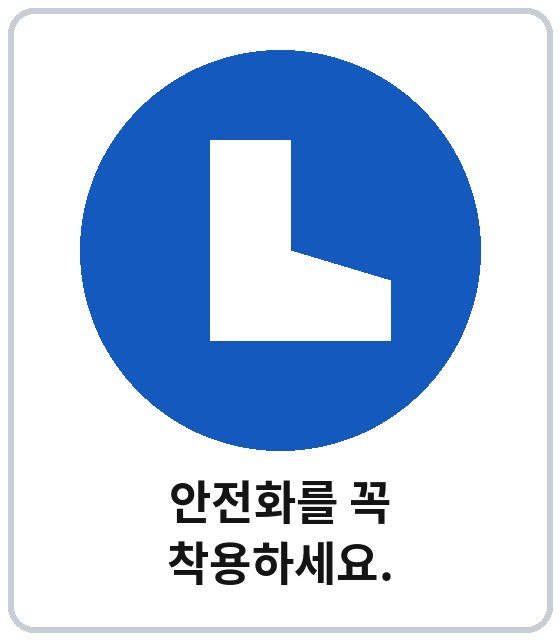
공장에서는 안전화를 꼭 착용해야 돼요.gongjang-eseoneun anjeonhwareul kkok chagyonghaeya dwaeyoIn the factory you must wear safety shoes.
먼저 읽고 녹음하세요. / Read first, then record.
6. 오늘의 대화 · Today’s conversation
상황 · Situation 수업 전이에요. 조이는 다음 주 월요일부터 다른 공장에서 일해요. Before class, NURI asks Joy about the factory she is moving to. Joy starts there next Monday.
① 듣기 · Listen — 대본을 보지 말고 먼저 들으세요. 두 번까지 들어도 돼요. Listen first without the script. You may listen twice.
② 내용 확인 · Check what you heard
대화 1. 조이는 몇 시까지 출근해야 돼요? By what time does Joy have to get to work?
대화 2. 조이는 오늘 어디에 가야 돼요? Where does Joy have to go today?
대본 보기 · Show the script (after you answer)
누리: 조이 씨, 다음 주부터 다른 공장에서 일해요?Joy, are you working at a different factory from next week?
조이: 네, 월요일부터 가요.Yes, I start on Monday.
누리: 그 공장은 몇 시까지 출근해야 돼요?By what time do you have to get to work at that factory?
조이: 여덟 시까지 출근해야 돼요.I have to get to work by eight.
누리: 공장 안에서는 뭐 착용해야 돼요?What do you have to wear inside the factory?
조이: 안전모하고 안전화를 꼭 착용해야 돼요.I must wear a safety helmet and safety shoes.
누리: 맞아요. 어? 조이 씨, 손이 왜 그래요?That’s right. Oh? Joy, what happened to your hand?
조이: 어제 손을 조금 다쳤어요.I hurt my hand a little yesterday.
누리: 아이고, 병원에 갔어요?Oh no, did you go to the hospital?
조이: 아니요, 아직 안 갔어요.No, not yet.
누리: 그럼 오늘 꼭 병원에 가야 돼요!Then you really have to go to the hospital today!
조이: 네, 수업 끝나고 병원에 갈 거예요.Okay, I’m going to go to the hospital after class.
③ 조이 역할 말하기 · Be Joy — 누리(상대)의 말이 나온 뒤 5초 쉼이 있어요. 아래 영어 뜻을 보고 그 자리에서 조이의 말을 한국어로 말하세요. After each line from the other speaker there is a 5-second pause. Look at the English cue and say Joy’s line in Korean.
누리(NURI speaks — listen)
조이 (나) ▶ Say: Yes, I start on Monday.
누리(NURI speaks — listen)
조이 (나) ▶ Say: I have to get to work by eight.
누리(NURI speaks — listen)
조이 (나) ▶ Say: I must wear a safety helmet and safety shoes.
누리(NURI speaks — listen)
조이 (나) ▶ Say: I hurt my hand a little yesterday.
누리(NURI speaks — listen)
조이 (나) ▶ Say: No, not yet.
누리(NURI speaks — listen)
조이 (나) ▶ Say: Okay, I’m going to go to the hospital after class.
조이의 말 정답 보기 · Show Joy’s lines (after you speak)
네, 월요일부터 가요.Yes, I start on Monday.
여덟 시까지 출근해야 돼요.I have to get to work by eight.
안전모하고 안전화를 꼭 착용해야 돼요.I must wear a safety helmet and safety shoes.
어제 손을 조금 다쳤어요.I hurt my hand a little yesterday.
아니요, 아직 안 갔어요.No, not yet.
네, 수업 끝나고 병원에 갈 거예요.Okay, I’m going to go to the hospital after class.
④ 내 말로 말하기 · Speak
Tell a new worker one rule at your workplace.
먼저 말하고 녹음하세요. / Say it first, then record.
7. 노트에 쓰기 · Write
이번 주에 꼭 해야 하는 일 2가지를 -아야/어야 돼요로 써 보세요. Write two things you have to do this week with -아야/어야 돼요.
Master Check
□ -아야/어야 돼요로 해야 하는 일을 말할 수 있다. I can say what I have to do with -아야/어야 돼요.
□ 안내문의 -아야/어야 합니다를 알아볼 수 있다. I can read -아야/어야 합니다 on notices.
문항을 틀렸다면 다시 듣고 다시 시도하세요. If you missed a question, listen again and retry.
DAY 103 · WEEK 21
제가 할게요 — -(으)ㄹ게요
-(으)ㄹ게요로 상대에게 약속합니다. Promise to do something with -(으)ㄹ게요.
Day 102 복습 -아야/어야 돼요(예: 가야 돼요, 먹어야 돼요)-aya / -eoya dwaeyohave to안전모 착용해야 돼요.anjeonmo chagyonghaeya dwaeyo꼭 · 그럼kkok · geureom아파요? 그럼 쉬어야 돼요.apayo? geureom swieoya dwaeyo Listen and read each item again before today’s new learning.
2. 오늘의 핵심 표현 · Key expressions
-(으)ㄹ게요(예: 할게요, 먹을게요)-(eu)lkkeyoI’ll (do it) — a promise제가jegaI (저 + 가)청소cheongsocleaning
동사에서 -다를 빼고 -(으)ㄹ게요 = 듣는 사람에게 하는 약속. 받침 없으면 ㄹ게요: 하다 → 할게요, 가다 → 갈게요, 오다 → 올게요. 받침 있으면 을게요: 먹다 → 먹을게요. 내가 할 일에만 써요. 제가 = 저 + 가 (제 이름의 제처럼). 계획 갈 거예요 ↔ 약속 갈게요. 할게요는 [할께요]로 소리 나요. Take -다 off a verb and add -(으)ㄹ게요: a promise to the person you are talking to. No final consonant → ㄹ게요: 하다 → 할게요, 가다 → 갈게요, 오다 → 올게요. Final consonant → 을게요: 먹다 → 먹을게요. Use it only for your own actions. 제가 = 저 + 가 (like 제 in 제 이름). Plan 갈 거예요 ↔ promise 갈게요. 할게요 sounds like [할께요].
제가 할게요.jega halkkeyoI’ll do it.
내일은 일찍 올게요.naeireun iljjik olkkeyoI’ll come in early tomorrow.
네, 조심할게요.ne, josimhalkkeyoOkay, I’ll be careful.
3. 듣기 · Listen
1. 듣고 이 사람이 오는 때를 고르세요. Listen. When will the speaker come?
2. 듣고 알맞은 뜻을 고르세요. Listen and choose the meaning.
4. 이해 · 적용 · Understand & apply
③. 빈칸에 알맞은 것을 고르세요: ___ 할게요. Fill in the blank: ___ 할게요. (I’ll do it.)
④. 상황에 맞는 대답을 고르세요. Your team leader says “위험해요. 조심하세요!” Promise him.
⑤. ‘갈게요’의 뜻을 고르세요. What does 갈게요 mean?
5. 문장 읽기 · Read & Record
네, 제가 할게요. 내일은 일찍 올게요.ne, jega halkkeyo. naeireun iljjik olkkeyoOkay, I’ll do it. I’ll come in early tomorrow.
먼저 읽고 녹음하세요. / Read first, then record.
6. 오늘의 대화 · Today’s conversation
상황 · Situation 오늘 수업은 여기까지예요. 교실 청소를 해야 돼요. Today’s class is over and the classroom is a bit messy. NURI is looking for someone to clean up.
① 듣기 · Listen — 대본을 보지 말고 먼저 들으세요. 두 번까지 들어도 돼요. Listen first without the script. You may listen twice.
② 내용 확인 · Check what you heard
대화 1. 교실 청소는 누가 해요? Who will clean the classroom?
대화 2. 조이는 금요일에 뭐 할 거예요? What will Joy do on Friday?
대본 보기 · Show the script (after you answer)
누리: 자, 오늘 수업은 여기까지예요. 음… 청소는 누가 해요?Okay, that’s all for today’s class. Hmm… who will clean up?
조이: 제가 할게요!I’ll do it!
누리: 고마워요, 조이 씨. 그리고 다음 수업은 토요일 아침 아홉 시예요.Thank you, Joy. And the next class is Saturday at nine a.m.
조이: 토요일 아홉 시요? 네, 아홉 시까지 꼭 올게요.Saturday at nine? Okay, I’ll be sure to come by nine.
누리: 그리고 그날 단어 시험도 있어요.And there’s a word test that day too.
조이: 시험이요? 그럼 금요일에 단어 공부할게요.A test? Then I’ll study the words on Friday.
누리: 좋아요. 그럼 토요일에 만나요!Good. See you on Saturday, then!
조이: 네, 선생님. 안녕히 가세요.Okay, teacher. Goodbye.
③ 조이 역할 말하기 · Be Joy — 누리(상대)의 말이 나온 뒤 5초 쉼이 있어요. 아래 영어 뜻을 보고 그 자리에서 조이의 말을 한국어로 말하세요. After each line from the other speaker there is a 5-second pause. Look at the English cue and say Joy’s line in Korean.
누리(NURI speaks — listen)
조이 (나) ▶ Say: I’ll do it!
누리(NURI speaks — listen)
조이 (나) ▶ Say: Saturday at nine? Okay, I’ll be sure to come by nine.
누리(NURI speaks — listen)
조이 (나) ▶ Say: A test? Then I’ll study the words on Friday.
누리(NURI speaks — listen)
조이 (나) ▶ Say: Okay, teacher. Goodbye.
조이의 말 정답 보기 · Show Joy’s lines (after you speak)
제가 할게요!I’ll do it!
토요일 아홉 시요? 네, 아홉 시까지 꼭 올게요.Saturday at nine? Okay, I’ll be sure to come by nine.
시험이요? 그럼 금요일에 단어 공부할게요.A test? Then I’ll study the words on Friday.
네, 선생님. 안녕히 가세요.Okay, teacher. Goodbye.
④ 내 말로 말하기 · Speak
Your team leader needs help. Promise to do it.
먼저 말하고 녹음하세요. / Say it first, then record.
7. 노트에 쓰기 · Write
일터에서 할 수 있는 약속 2개를 -(으)ㄹ게요로 써 보세요. Write two promises you can make at work with -(으)ㄹ게요.
Master Check
□ -(으)ㄹ게요로 약속할 수 있다. I can make a promise with -(으)ㄹ게요.
□ 계획(-(으)ㄹ 거예요)과 약속(-(으)ㄹ게요)을 구별할 수 있다. I can tell a plan from a promise.
문항을 틀렸다면 다시 듣고 다시 시도하세요. If you missed a question, listen again and retry.
DAY 104 · WEEK 21
오늘 진짜 더워요 — ㅂ 불규칙
덥다 · 춥다 · 맵다 · 가깝다를 바르게 바꿔 말합니다. Say hot, cold, spicy, and close correctly.
Day 103 복습 -(으)ㄹ게요(예: 할게요, 먹을게요)-(eu)lkkeyoI’ll (promise)제가 할게요.jega halkkeyo내일은 일찍 올게요.naeireun iljjik olkkeyo청소cheongsocleaning Listen and read each item again before today’s new learning.
받침 ㅂ으로 끝나는 말 몇 개는 -아요/어요 앞에서 ㅂ이 우로 바뀌어요: 덥다 → 더워요, 춥다 → 추워요, 맵다 → 매워요, 가깝다 → 가까워요. 이미 아는 매워요 · 가까워요가 이렇게 생겼어요. -고 앞에서는 ㅂ 그대로: 맵고, 덥고. -아서도 바뀌어요: 더워서, 가까워서. Some describing words end in ㅂ. Before -아요/어요, ㅂ changes to 우: 덥다 → 더워요, 춥다 → 추워요, 맵다 → 매워요, 가깝다 → 가까워요. You already know 매워요 and 가까워요 — now you know why. With -고 the ㅂ stays: 맵고, 덥고. With -아서 it changes: 더워서, 가까워서.
오늘 진짜 더워요.oneul jinjja deowoyoIt’s really hot today.
한국 겨울은 너무 추워요.hanguk gyeoureun neomu chuwoyoWinter in Korea is so cold.
회사는 역에서 가까워요.hoesaneun yeogeseo gakkawoyoThe company is close to the station.
3. 듣기 · Listen
1. 듣고 한국 겨울 날씨를 고르세요. Listen. What is winter in Korea like?
2. 듣고 알맞은 뜻을 고르세요. Listen and choose the meaning.
4. 이해 · 적용 · Understand & apply
③. -아요/어요로 바꾸세요: 춥다 Change into the -아요/어요 form: 춥다
④. 상황에 맞는 말을 고르세요. It’s January and you are waiting for the bus outside. What do you say?
⑤. 틀린 문장을 고르세요. Choose the incorrect sentence.
5. 문장 읽기 · Read & Record
오늘은 너무 더워서 물을 마셔야 돼요.oneureun neomu deowoseo mureul masyeoya dwaeyoIt’s so hot today that I have to drink water.
먼저 읽고 녹음하세요. / Read first, then record.
6. 오늘의 대화 · Today’s conversation
상황 · Situation 한국은 여름이에요. 오늘 진짜 더워요. It’s summer in Korea and the classroom is very hot. NURI and Joy chat before class.
① 듣기 · Listen — 대본을 보지 말고 먼저 들으세요. 두 번까지 들어도 돼요. Listen first without the script. You may listen twice.
② 내용 확인 · Check what you heard
대화 1. 식당은 어디에 있어요? Where is the restaurant?
대화 2. 조이는 겨울에 뭐 사야 돼요? What does Joy have to buy for winter?
대본 보기 · Show the script (after you answer)
누리: 오늘 진짜 더워요. 조이 씨, 안 더워요?It’s really hot today. Joy, aren’t you hot?
조이: 저도 너무 더워요. 물 좀 마셔야 돼요.I’m so hot too. I need to drink some water.
누리: 필리핀도 이렇게 더워요?Is it this hot in the Philippines too?
조이: 네, 필리핀도 더워요. 필리핀은 안 추워요.Yes, it’s hot in the Philippines too. It doesn’t get cold there.
누리: 그래요? 한국 겨울은 진짜 추워요.Really? Winter in Korea is really cold.
조이: 진짜요? 그럼 겨울옷을 사야 해요.Really? Then I have to buy winter clothes.
누리: 네, 꼭 사세요! 그리고 오늘 저녁에 같이 밥 먹어요. 학교 앞에 식당이 있어요.Yes, be sure to buy some! And let’s have dinner together tonight. There’s a restaurant in front of the school.
조이: 네! 학교 앞은 가까워서 좋아요.Sure! It’s nice that it’s so close, right in front of the school.
누리: 그런데 거기 음식은 조금 매워요. 괜찮아요?But the food there is a little spicy. Is that okay?
조이: 네, 괜찮아요. 지금은 김치도 잘 먹어요!Yes, that’s fine. These days I eat kimchi just fine!
③ 조이 역할 말하기 · Be Joy — 누리(상대)의 말이 나온 뒤 5초 쉼이 있어요. 아래 영어 뜻을 보고 그 자리에서 조이의 말을 한국어로 말하세요. After each line from the other speaker there is a 5-second pause. Look at the English cue and say Joy’s line in Korean.
누리(NURI speaks — listen)
조이 (나) ▶ Say: I’m so hot too. I need to drink some water.
누리(NURI speaks — listen)
조이 (나) ▶ Say: Yes, it’s hot in the Philippines too. It doesn’t get cold there.
누리(NURI speaks — listen)
조이 (나) ▶ Say: Really? Then I have to buy winter clothes.
누리(NURI speaks — listen)
조이 (나) ▶ Say: Sure! It’s nice that it’s so close, right in front of the school.
누리(NURI speaks — listen)
조이 (나) ▶ Say: Yes, that’s fine. These days I eat kimchi just fine!
조이의 말 정답 보기 · Show Joy’s lines (after you speak)
저도 너무 더워요. 물 좀 마셔야 돼요.I’m so hot too. I need to drink some water.
네, 필리핀도 더워요. 필리핀은 안 추워요.Yes, it’s hot in the Philippines too. It doesn’t get cold there.
진짜요? 그럼 겨울옷을 사야 해요.Really? Then I have to buy winter clothes.
네! 학교 앞은 가까워서 좋아요.Sure! It’s nice that it’s so close, right in front of the school.
네, 괜찮아요. 지금은 김치도 잘 먹어요!Yes, that’s fine. These days I eat kimchi just fine!
④ 내 말로 말하기 · Speak
Tell someone about today’s weather.
먼저 말하고 녹음하세요. / Say it first, then record.
7. 노트에 쓰기 · Write
더워요 · 추워요 · 매워요 · 가까워요 중 2개로 날씨나 음식 문장을 써 보세요. Write two sentences about the weather or food with 더워요, 추워요, 매워요, or 가까워요.
Master Check
□ 덥다 · 춥다를 더워요 · 추워요로 바꿔 말할 수 있다. I can change 덥다 and 춥다 into 더워요 and 추워요.
□ -고 앞에서는 ㅂ이 그대로인 것을 안다. I know ㅂ stays before -고.
문항을 틀렸다면 다시 듣고 다시 시도하세요. If you missed a question, listen again and retry.
DAY 105 · WEEK 21
안내문 읽기 — 표지 · 안내 · 빈칸
EPS 읽기 문제 세 가지를 이번 주 문법으로 풉니다. 다음 주(22주)에는 사람과 물건을 꾸미고, 반응하고, 높여 말합니다. Solve the three EPS reading types with this week’s grammar. Next week (Week 22): describing, reacting, and speaking politely about your boss.
Day 104 복습 더워요 · 추워요deowoyo · chuwoyo진짜 · 너무jinjja · neomu한국 겨울은 너무 추워요.hanguk gyeoureun neomu chuwoyo회사는 역에서 가까워요.hoesaneun yeogeseo gakkawoyo Listen and read each item again before today’s new learning.
2. 오늘의 핵심 표현 · Key expressions
안내annaenotice, information까지kkajiby (a time), until
EPS 읽기 문제 세 가지: (A) 표지 · 장소, (B) 안내문 — 보통 격식체(-ㅂ니다, -아야 합니다), (C) 빈칸 채우기. 안내문에서는 먼저 요일, 시간, 해야 하는 일을 찾으세요. -아야 합니다 = -아야 돼요. -(으)세요 = 하세요(부탁). 금지 = 하면 안 돼요. 시간 + 까지 = by: 여덟 시까지 오세요. The EPS reading part has three types: (A) signs and places, (B) notices — usually formal (-ㅂ니다, -아야 합니다), (C) fill in the blank. In a notice, find the DAY, the TIME, and what you MUST do first. -아야 합니다 = -아야 돼요 (must). -(으)세요 = please do it. 금지 = not allowed. Time + 까지 = by: 여덟 시까지 오세요 (come by eight).
출근 시간은 여덟 시입니다.chulgeun siganeun yeodeol siimnidaWork starts at eight.
안전모를 착용해야 합니다.anjeonmoreul chagyonghaeya hamnidaYou must wear a safety helmet.
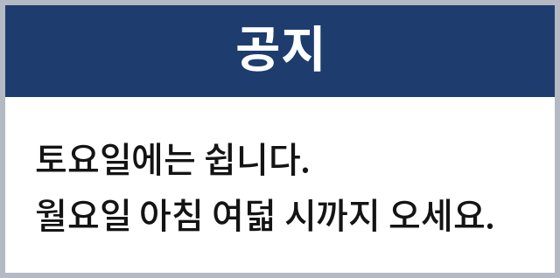
이번 주 토요일에는 쉽니다.ibeon ju toyoireneun swimnidaWe are closed this Saturday.
3. 듣기 · Listen
1. 안내 방송을 듣고 기계 앞에서 해야 하는 일을 고르세요. Listen to the announcement. What must you do in front of the machine?
2. 듣고 식당이 쉬는 날을 고르세요. Listen. When is the restaurant closed?
4. 이해 · 적용 · Understand & apply
③. (A) 표지를 읽고 뜻을 고르세요: 출입금지 (A) Read the sign: 출입금지
④. (B) 안내문을 읽고 대답하세요: 월요일에는 일곱 시 반까지 출근해야 합니다. (B) Read the notice: 월요일에는 일곱 시 반까지 출근해야 합니다. When must you arrive on Monday?
⑤. (C) 빈칸에 알맞은 것을 고르세요: 여름에는 너무 ___. 물을 마셔야 돼요. (C) Fill in the blank: 여름에는 너무 ___. 물을 마셔야 돼요.
5. 문장 읽기 · Read & Record
안내: 이번 주 토요일에는 공장이 쉽니다. 월요일에는 일곱 시 반까지 출근해야 합니다.annae: ibeon ju toyoireneun gongjang-i swimnida. woryoireneun ilgop si bankkaji chulgeunhaeya hamnidaNotice: The factory is closed this Saturday. On Monday you must be at work by 7:30.
먼저 읽고 녹음하세요. / Read first, then record.
6. 오늘의 대화 · Today’s conversation
상황 · Situation 수업 시간이에요. 누리 선생님이 조이 공장의 안내를 읽어요. In class, NURI reads the notice from Joy’s factory board with her.
① 듣기 · Listen — 대본을 보지 말고 먼저 들으세요. 두 번까지 들어도 돼요. Listen first without the script. You may listen twice.
② 내용 확인 · Check what you heard
대화 1. 공장은 언제 쉬어요? When is the factory closed?
대화 2. 조이는 일요일에 몇 시까지 출근해야 돼요? By what time must Joy be at work on Sunday?
대본 보기 · Show the script (after you answer)
누리: 조이 씨, 그거 뭐예요? 공장 안내문이에요?Joy, what’s that? Is it a notice from your factory?
조이: 네. 그런데 잘 모르겠어요. 같이 읽어 주세요.Yes. But I don’t really understand it. Please read it with me.
누리: 네, 같이 읽어요. “이번 주 토요일에는 공장이 쉽니다.”Sure, let’s read it together. “The factory is closed this Saturday.”
조이: 토요일에 쉬어요? 그럼 집에서 쉴 거예요.It’s closed on Saturday? Then I’ll rest at home.
누리: 그리고 “일요일에는 아홉 시까지 출근해야 합니다.”And: “On Sunday you must be at work by nine.”
조이: 네? 일요일에도 일해야 돼요? 아홉 시까지요?What? I have to work on Sunday too? By nine?
누리: 네. 그리고 “공장 안에서는 안전화를 꼭 착용하세요.”Yes. And: “Be sure to wear safety shoes inside the factory.”
조이: 네, 안전화는 꼭 착용할게요.Okay, I’ll be sure to wear safety shoes.
누리: 잘했어요! 이번 주 수업은 여기까지예요.Well done! That’s all for this week’s classes.
조이: 감사합니다, 선생님. 다음 주에 봬요!Thank you, teacher. See you next week!
③ 조이 역할 말하기 · Be Joy — 누리(상대)의 말이 나온 뒤 5초 쉼이 있어요. 아래 영어 뜻을 보고 그 자리에서 조이의 말을 한국어로 말하세요. After each line from the other speaker there is a 5-second pause. Look at the English cue and say Joy’s line in Korean.
누리(NURI speaks — listen)
조이 (나) ▶ Say: Yes. But I don’t really understand it. Please read it with me.
누리(NURI speaks — listen)
조이 (나) ▶ Say: It’s closed on Saturday? Then I’ll rest at home.
누리(NURI speaks — listen)
조이 (나) ▶ Say: What? I have to work on Sunday too? By nine?
누리(NURI speaks — listen)
조이 (나) ▶ Say: Okay, I’ll be sure to wear safety shoes.
누리(NURI speaks — listen)
조이 (나) ▶ Say: Thank you, teacher. See you next week!
조이의 말 정답 보기 · Show Joy’s lines (after you speak)
네. 그런데 잘 모르겠어요. 같이 읽어 주세요.Yes. But I don’t really understand it. Please read it with me.
토요일에 쉬어요? 그럼 집에서 쉴 거예요.It’s closed on Saturday? Then I’ll rest at home.
네? 일요일에도 일해야 돼요? 아홉 시까지요?What? I have to work on Sunday too? By nine?
네, 안전화는 꼭 착용할게요.Okay, I’ll be sure to wear safety shoes.
감사합니다, 선생님. 다음 주에 봬요!Thank you, teacher. See you next week!
④ 내 말로 말하기 · Speak
Read a notice aloud: work starts at eight.
먼저 말하고 녹음하세요. / Say it first, then record.
⑤ 누리의 질문에 내 말로 대답하기 · Answer NURI your way
NURI asks: Joy, what do you have to do at work?
내 이야기로 대답하고 녹음하세요. / Answer about yourself, then record.
7. 노트에 쓰기 · Write
우리 일터 안내문을 격식체로 2문장 써 보세요. Write a two-sentence notice for your workplace in the formal style.
Master Check
□ 안내문에서 요일 · 시간 · 해야 하는 일을 찾을 수 있다. I can find the day, time, and rules in a notice.
□ EPS 읽기 문제 세 가지를 안다. I know the three EPS reading types.
문항을 틀렸다면 다시 듣고 다시 시도하세요. If you missed a question, listen again and retry.
SATURDAY · WEEK 21
21주차 누적 복습 · 계획 · 해야 하는 일 · 약속 · ㅂ 불규칙
이번 주 -(으)ㄹ 거예요 · -아야/어야 돼요 · -(으)ㄹ게요 · ㅂ 불규칙과 안내문 읽기를 새로운 문제로 다시 확인합니다. Review this week’s plans, musts, promises, ㅂ irregular words, and notices with new questions.
Day 105 복습 안내annaenotice출근 시간은 여덟 시입니다.chulgeun siganeun yeodeol siimnida안전모를 착용해야 합니다.anjeonmoreul chagyonghaeya hamnida이번 주 토요일에는 쉽니다.ibeon ju toyoireneun swimnida Listen and read each item again before today’s new learning.
2. 오늘의 핵심 표현 · Key expressions
-고 있어요(예: 하고 있어요)-go isseoyobe doing / be wearing (now)쓰다sseudawear (on the head or face)입다ipda [입따]wear (clothes)신다sinda [신따]wear (shoes)끼다kkidawear (gloves)작업복jageopbokwork clothes
동사에서 -다를 빼고 -고 있어요 (모양이 안 바뀌어요). ① 지금 하는 일: 지금 일하고 있어요, 밥 먹고 있어요. ② 입고 있는 것: 몸에 따라 동사가 달라요. 안전모 · 보안경 → 쓰다, 옷 · 작업복 → 입다, 안전화 → 신다, 장갑 → 끼다. 착용하다는 모두에 쓸 수 있어요 (17주). Take -다 off a verb and add -고 있어요 (no change). ① What you are doing now: 지금 일하고 있어요, 밥 먹고 있어요. ② What you are wearing — Korean uses a different verb for each body part: helmet, glasses → 쓰다; clothes, work clothes → 입다; safety shoes → 신다; gloves → 끼다. 착용하다 (Week 17) works for all of them.
지금 뭐 하고 있어요?jigeum mwo hago isseoyo?What are you doing now?
지금 회사에서 일하고 있어요.jigeum hoesa-eseo ilhago isseoyoI’m working at the company right now.
안전모를 쓰고 장갑을 끼고 있어요.anjeonmoreul sseugo janggabeul kkigo isseoyoI’m wearing a safety helmet and gloves.
3. 듣기 · Listen
1. 듣고 동생이 지금 하는 일을 고르세요. Listen. What is the younger sibling doing now?
2. 듣고 알맞은 뜻을 고르세요. Listen and choose the meaning.
4. 이해 · 적용 · Understand & apply
③. 지금 하는 일로 바꾸세요: 일해요 Change it to “right now”: 일해요
④. 빈칸에 알맞은 동사를 고르세요: 안전모를 ___ 있어요. Fill in the blank: 안전모를 ___ 있어요.
⑤. 틀린 문장을 고르세요. Choose the incorrect sentence.
5. 문장 읽기 · Read & Record
저는 지금 작업복을 입고 안전화를 신고 있어요.jeoneun jigeum jageopbogeul ipgo anjeonhwareul singo isseoyoI’m wearing work clothes and safety shoes now.
먼저 읽고 녹음하세요. / Read first, then record.
6. 오늘의 대화 · Today’s conversation
상황 · Situation 낮 열두 시 반이에요. 누리 선생님이 조이에게 전화해요. It’s 12:30 p.m. NURI calls Joy about tonight’s class. Joy is at work.
① 듣기 · Listen — 대본을 보지 말고 먼저 들으세요. 두 번까지 들어도 돼요. Listen first without the script. You may listen twice.
② 내용 확인 · Check what you heard
대화 1. 조이는 언제 점심을 먹을 거예요? When will Joy eat lunch?
대화 2. 조이는 지금 손에 뭐 끼고 있어요? What is Joy wearing on her hands?
대본 보기 · Show the script (after you answer)
누리: 여보세요? 조이 씨, 지금 뭐 하고 있어요?Hello? Joy, what are you doing now?
조이: 지금 회사에서 일하고 있어요.I’m working at the company right now.
누리: 일하고 있어요? 미안해요. 점심은 먹었어요?Oh, you’re working? Sorry. Have you had lunch?
조이: 아니요, 아직이요. 한 시에 먹을 거예요.No, not yet. I’m going to eat at one.
누리: 그래요? 안전모는 잘 쓰고 있어요?I see. Are you wearing your safety helmet properly?
조이: 그럼요! 안전모를 쓰고 장갑도 끼고 있어요.Of course! I’m wearing my safety helmet and gloves too.
누리: 잘했어요. 그리고 오늘 수업은 일곱 시예요. 늦지 마세요!Good. And today’s class is at seven. Don’t be late!
조이: 네, 일곱 시까지 갈게요!Okay, I’ll be there by seven!
③ 조이 역할 말하기 · Be Joy — 누리(상대)의 말이 나온 뒤 5초 쉼이 있어요. 아래 영어 뜻을 보고 그 자리에서 조이의 말을 한국어로 말하세요. After each line from the other speaker there is a 5-second pause. Look at the English cue and say Joy’s line in Korean.
누리(NURI speaks — listen)
조이 (나) ▶ Say: I’m working at the company right now.
누리(NURI speaks — listen)
조이 (나) ▶ Say: No, not yet. I’m going to eat at one.
누리(NURI speaks — listen)
조이 (나) ▶ Say: Of course! I’m wearing my safety helmet and gloves too.
누리(NURI speaks — listen)
조이 (나) ▶ Say: Okay, I’ll be there by seven!
조이의 말 정답 보기 · Show Joy’s lines (after you speak)
지금 회사에서 일하고 있어요.I’m working at the company right now.
아니요, 아직이요. 한 시에 먹을 거예요.No, not yet. I’m going to eat at one.
그럼요! 안전모를 쓰고 장갑도 끼고 있어요.Of course! I’m wearing my safety helmet and gloves too.
네, 일곱 시까지 갈게요!Okay, I’ll be there by seven!
④ 내 말로 말하기 · Speak
Tell your teacher what you are doing right now.
먼저 말하고 녹음하세요. / Say it first, then record.
7. 노트에 쓰기 · Write
두 사람이 지금 하고 있는 일이나 입고 있는 것을 -고 있어요로 써 보세요. Write what two people are doing or wearing right now with -고 있어요.
Master Check
□ -고 있어요로 지금 하는 일을 말할 수 있다. I can say what someone is doing now.
□ 쓰다 · 입다 · 신다 · 끼다를 구별해서 쓸 수 있다. I can choose 쓰다, 입다, 신다, or 끼다.
문항을 틀렸다면 다시 듣고 다시 시도하세요. If you missed a question, listen again and retry.
Day 106 복습 -고 있어요(예: 하고 있어요)-go isseoyobe doing / wearing쓰다 · 입다 · 신다 · 끼다sseuda · ipda · sinda · kkida작업복jageopbokwork clothes지금 뭐 하고 있어요?jigeum mwo hago isseoyo? Listen and read each item again before today’s new learning.
2. 오늘의 핵심 표현 · Key expressions
-(으)ㄴ + 명사(예: 큰 가방, 작은 가방)-(eu)n + noundescribing a noun크다 → 큰keuda → keunbig작다 → 작은jakda → jageunsmall싸다 → 싼ssada → ssancheap
명사 앞에서 꾸미는 말: -다를 빼고 받침 없으면 ㄴ: 크다 → 큰 가방, 비싸다 → 비싼 가방, 싸다 → 싼 과일. 받침 있으면 은: 작다 → 작은 가방. 있다 · 없다 → 는: 맛있는 김치. ㅂ 낱말 → 운: 맵다 → 매운 김치, 가깝다 → 가까운 역. 반대말로 외우세요: 큰 ↔ 작은, 비싼 ↔ 싼, 더운 ↔ 추운. To describe a noun, take off -다. No final consonant → add ㄴ: 크다 → 큰 가방, 비싸다 → 비싼 가방, 싸다 → 싼 과일. Final consonant → add 은: 작다 → 작은 가방. Words with 있다/없다 → 는: 맛있는 김치. ㅂ words → 운: 맵다 → 매운 김치, 가깝다 → 가까운 역. Learn them in pairs: 큰 ↔ 작은, 비싼 ↔ 싼, 더운 ↔ 추운.
큰 가방 있어요?keun gabang isseoyo?Do you have a big bag?
저는 매운 김치를 좋아해요.jeoneun maeun gimchireul joahaeyoI like spicy kimchi.
가까운 편의점이 어디예요?gakkaun pyeonuijeomi eodiyeyo?Where is the nearest convenience store?
3. 듣기 · Listen
1. 듣고 이 사람이 사고 싶은 것을 고르세요. Listen. Which bag does the speaker ask for?
2. 듣고 알맞은 뜻을 고르세요. Listen and choose the meaning.
4. 이해 · 적용 · Understand & apply
③. 꾸미는 말로 바꾸세요: 크다 + 가방 Make a describing phrase: 크다 + 가방
④. 반대말을 고르세요: 비싼 가방 ↔ ? Choose the opposite: 비싼 가방 ↔ ?
⑤. 틀린 것을 고르세요. Which one is incorrect?
5. 문장 읽기 · Read & Record
회사 근처에 싸고 맛있는 식당이 있어요.hoesa geuncheo-e ssago masinneun sikdang-i isseoyoThere is a cheap, good restaurant near the company.
먼저 읽고 녹음하세요. / Read first, then record.
6. 오늘의 대화 · Today’s conversation
상황 · Situation 학교 앞이에요. 누리 선생님과 조이가 가방을 봐요. After class, NURI and Joy look at bags in a shop in front of the school.
① 듣기 · Listen — 대본을 보지 말고 먼저 들으세요. 두 번까지 들어도 돼요. Listen first without the script. You may listen twice.
② 내용 확인 · Check what you heard
대화 1. 조이는 왜 큰 가방을 안 사요? Why doesn’t Joy buy the big bag?
대화 2. 작은 가방은 얼마예요? How much is the small bag?
대본 보기 · Show the script (after you answer)
누리: 조이 씨, 가방 살 거예요?Joy, are you going to buy a bag?
조이: 네, 큰 가방 살 거예요. 제 가방은 너무 작아요.Yes, I’m going to buy a big bag. My bag is too small.
누리: 이 가방은요? 커요.How about this one? It’s big.
조이: 와, 좋아요. 이거 얼마예요?Wow, it’s nice. How much is this?
직원: 오만 원이에요.It’s fifty thousand won.
조이: 오만 원이요? 너무 비싸요. 싼 가방은 없어요?Fifty thousand won? That’s too expensive. Don’t you have a cheaper bag?
직원: 이 작은 가방은 이만 원이에요.This small bag is twenty thousand won.
조이: 음… 조금 작아요. 그런데 싸요. 그럼 이거 주세요.Hmm… it’s a little small. But it’s cheap. Then I’ll take this one.
③ 조이 역할 말하기 · Be Joy — 누리(상대)의 말이 나온 뒤 5초 쉼이 있어요. 아래 영어 뜻을 보고 그 자리에서 조이의 말을 한국어로 말하세요. After each line from the other speaker there is a 5-second pause. Look at the English cue and say Joy’s line in Korean.
누리(NURI speaks — listen)
조이 (나) ▶ Say: Yes, I’m going to buy a big bag. My bag is too small.
누리(NURI speaks — listen)
조이 (나) ▶ Say: Wow, it’s nice. How much is this?
직원(Shop clerk speaks — listen)
조이 (나) ▶ Say: Fifty thousand won? That’s too expensive. Don’t you have a cheaper bag?
직원(Shop clerk speaks — listen)
조이 (나) ▶ Say: Hmm… it’s a little small. But it’s cheap. Then I’ll take this one.
조이의 말 정답 보기 · Show Joy’s lines (after you speak)
네, 큰 가방 살 거예요. 제 가방은 너무 작아요.Yes, I’m going to buy a big bag. My bag is too small.
와, 좋아요. 이거 얼마예요?Wow, it’s nice. How much is this?
오만 원이요? 너무 비싸요. 싼 가방은 없어요?Fifty thousand won? That’s too expensive. Don’t you have a cheaper bag?
음… 조금 작아요. 그런데 싸요. 그럼 이거 주세요.Hmm… it’s a little small. But it’s cheap. Then I’ll take this one.
④ 내 말로 말하기 · Speak
Ask a shop clerk for a cheaper bag.
먼저 말하고 녹음하세요. / Say it first, then record.
7. 노트에 쓰기 · Write
-(으)ㄴ + 명사로 내가 가진 것 하나, 사고 싶은 것 하나를 써 보세요. Write two sentences with -(으)ㄴ + noun: something you have and something you want to buy.
Master Check
□ -(으)ㄴ으로 명사를 꾸밀 수 있다. I can describe a noun with -(으)ㄴ.
□ 맛있는 · 매운처럼 특별한 모양을 안다. I know special forms like 맛있는 and 매운.
문항을 틀렸다면 다시 듣고 다시 시도하세요. If you missed a question, listen again and retry.
DAY 108 · WEEK 22
와, 맛있네요! — -네요
-네요로 지금 보고 느낀 것에 반응합니다. React to what you see, taste, or feel right now with -네요.
Day 107 복습 큰 가방 · 작은 가방keun gabang · jageun gabang싼 과일ssan gwailcheap fruit맛있는 김치 · 매운 김치masinneun gimchi · maeun gimchi가까운 편의점gakkaun pyeonuijeoma nearby convenience store Listen and read each item again before today’s new learning.
2. 오늘의 핵심 표현 · Key expressions
-네요(예: 맛있네요)-neyo(oh,) it’s …! — a reaction와wawow잘해요jalhaeyois good at (it)
동사 · 형용사에서 -다를 빼고 네요 = 지금 알게 된 것에 반응: 와, 맛있네요! 오늘 진짜 덥네요. 모양이 안 바뀌어요. ㅂ도 그대로: 덥다 → 덥네요, 맵다 → 맵네요. 맛있어요 = 정보를 말해요. 맛있네요 = “아, 이제 느꼈어요!” 맛있네요는 [마신네요], 덥네요는 [덤네요]로 소리 나요. Take -다 off and add 네요 to react to something you just noticed: 와, 맛있네요! 오늘 진짜 덥네요. No change — even ㅂ stays: 덥다 → 덥네요, 맵다 → 맵네요. 맛있어요 gives information; 맛있네요 = “oh, I notice it now!” 맛있네요 sounds like [마신네요], 덥네요 like [덤네요].
와, 김치가 진짜 맛있네요!wa, gimchiga jinjja masinneyo!Wow, the kimchi is really tasty!
오늘 진짜 덥네요.oneul jinjja deomneyoIt’s really hot today, huh.
한국어 진짜 잘하네요!hangugeo jinjja jalhaneyo!Your Korean is really good!
3. 듣기 · Listen
1. 듣고 이 사람이 알게 된 것을 고르세요. Listen. What does the speaker notice?
2. 듣고 알맞은 뜻을 고르세요. Listen and choose the meaning.
4. 이해 · 적용 · Understand & apply
③. 반응하는 말로 바꾸세요: 맛있어요 Change it into a reaction: 맛있어요
④. 상황에 맞는 말을 고르세요. You just saw the price tag and you are surprised.
⑤. 틀린 문장을 고르세요. Choose the incorrect sentence.
5. 문장 읽기 · Read & Record
와, 이 식당 진짜 맛있네요!wa, i sikdang jinjja masinneyo!Wow, this restaurant is really good!
먼저 읽고 녹음하세요. / Read first, then record.
6. 오늘의 대화 · Today’s conversation
상황 · Situation 추운 아침이에요. 누리 선생님 가방에 김치가 있어요. It’s a cold morning. NURI comes to class with some kimchi from home.
① 듣기 · Listen — 대본을 보지 말고 먼저 들으세요. 두 번까지 들어도 돼요. Listen first without the script. You may listen twice.
② 내용 확인 · Check what you heard
대화 1. 오늘 날씨는 어때요? What is the weather like today?
대화 2. 누리 선생님 가방에 뭐가 있어요? What does NURI have in her bag?
조이: 네, 너무 추워요. 손이 차가워요.Yes, it’s so cold. My hands are cold.
누리: 아, 맞다! 이거 우리 집 김치예요. 같이 먹어요.Oh, that reminds me! This is kimchi from my home. Let’s eat it together.
조이: 와, 진짜 맛있네요!Wow, it’s really tasty!
누리: 안 매워요?Isn’t it spicy?
조이: 조금 매워요. 그런데 진짜 맛있어요.It’s a little spicy. But it’s really tasty.
누리: 와, 김치도 잘 먹고 한국어도 잘하네요!Wow, you eat kimchi well, and your Korean is good too!
조이: 하하, 감사합니다. 집에서도 공부하고 있어요.Haha, thank you. I’m studying at home too.
③ 조이 역할 말하기 · Be Joy — 누리(상대)의 말이 나온 뒤 5초 쉼이 있어요. 아래 영어 뜻을 보고 그 자리에서 조이의 말을 한국어로 말하세요. After each line from the other speaker there is a 5-second pause. Look at the English cue and say Joy’s line in Korean.
누리(NURI speaks — listen)
조이 (나) ▶ Say: Yes, it’s so cold. My hands are cold.
누리(NURI speaks — listen)
조이 (나) ▶ Say: Wow, it’s really tasty!
누리(NURI speaks — listen)
조이 (나) ▶ Say: It’s a little spicy. But it’s really tasty.
누리(NURI speaks — listen)
조이 (나) ▶ Say: Haha, thank you. I’m studying at home too.
조이의 말 정답 보기 · Show Joy’s lines (after you speak)
네, 너무 추워요. 손이 차가워요.Yes, it’s so cold. My hands are cold.
와, 진짜 맛있네요!Wow, it’s really tasty!
조금 매워요. 그런데 진짜 맛있어요.It’s a little spicy. But it’s really tasty.
하하, 감사합니다. 집에서도 공부하고 있어요.Haha, thank you. I’m studying at home too.
④ 내 말로 말하기 · Speak
You taste a friend’s food. React!
먼저 말하고 녹음하세요. / Say it first, then record.
7. 노트에 쓰기 · Write
-네요로 반응하는 문장을 2개 써 보세요: 음식 하나, 날씨나 장소 하나. Write two reactions with -네요: one about food, one about the weather or a place.
Master Check
□ -네요로 지금 느낀 것에 반응할 수 있다. I can react with -네요.
□ -네요 앞에서 ㅂ이 그대로인 것을 안다. I know ㅂ stays before -네요.
문항을 틀렸다면 다시 듣고 다시 시도하세요. If you missed a question, listen again and retry.
DAY 109 · WEEK 22
사장님이 오세요 — -(으)시-
사장님 · 반장님 이야기를 -(으)시-로 높여 말합니다. Talk about your boss politely with -(으)시-.
Day 108 복습 -네요(예: 맛있네요)-neyoreaction와, 김치가 진짜 맛있네요!wa, gimchiga jinjja masinneyo오늘 진짜 덥네요.oneul jinjja deomneyo잘해요jalhaeyois good at Listen and read each item again before today’s new learning.
2. 오늘의 핵심 표현 · Key expressions
-(으)시-(예: 오세요, 계세요)-(eu)si-respect for the person you talk about계세요gyeseyois (here) — respectful 있어요드세요deuseyoeats — respectful 먹어요드셨어요deusyeosseoyo [드셔써요]ate — respectful 먹었어요
높여야 하는 사람(사장님 · 반장님 · 나이 많은 분)의 이야기를 할 때 -(으)시-를 넣어요. 받침 없으면 -세요: 가다 → 가세요, 오다 → 오세요. 받침 있으면 -으세요: 읽다 → 읽으세요. 과거: 가셨어요, 오셨어요. 특별한 말: 있다 → 계세요, 먹다 → 드세요(과거 드셨어요). 나에게는 쓰지 않아요: 저는 가요 (가세요 ×). When you talk ABOUT someone you respect — your boss, team leader, older people — add -(으)시-. No final consonant → -세요: 가다 → 가세요, 오다 → 오세요. Final consonant → -으세요: 읽다 → 읽으세요. Past: 가셨어요, 오셨어요. Special words: 있다 → 계세요, 먹다 → 드세요 (past 드셨어요). Never use it about yourself: 저는 가요 (not 가세요).
사장님은 지금 공장에 계세요.sajangnimeun jigeum gongjang-e gyeseyoThe president is at the factory now.
반장님, 점심 드셨어요?banjangnim, jeomsim deusyeosseoyo?Team leader, have you had lunch?
사장님이 지금 오세요.sajangnimi jigeum oseyoThe president is coming now.
3. 듣기 · Listen
1. 듣고 공장에 오는 사람을 고르세요. Listen. Who is coming to the factory?
2. 질문을 듣고 알맞은 대답을 고르세요. Listen to the question and choose the best reply.
4. 이해 · 적용 · Understand & apply
③. 반장님 이야기로 바꾸세요: 있어요 → About the team leader: 있어요 →
④. 사장님께 높여 말하는 문장을 고르세요. Which one is POLITE about the president?
⑤. 틀린 문장을 고르세요. Choose the incorrect sentence.
5. 문장 읽기 · Read & Record
반장님, 커피 드세요.banjangnim, keopi deuseyoTeam leader, please have some coffee.
먼저 읽고 녹음하세요. / Read first, then record.
6. 오늘의 대화 · Today’s conversation
상황 · Situation 공장이에요. 누리 선생님이 조이에게 전화해요. Joy is at the factory. NURI calls her.
① 듣기 · Listen — 대본을 보지 말고 먼저 들으세요. 두 번까지 들어도 돼요. Listen first without the script. You may listen twice.
② 내용 확인 · Check what you heard
대화 1. 반장님은 지금 어디에 계세요? Where is the team leader now?
대화 2. 사장님은 몇 시에 오세요? What time is the president coming?
대본 보기 · Show the script (after you answer)
누리: 조이 씨, 지금 일하고 있어요?Joy, are you working now?
조이: 아니요, 지금 쉬고 있어요. 왜요, 선생님?No, I’m taking a break now. What is it, teacher?
누리: 오늘 네 시에 조이 씨 공장에 가요. 반장님을 만나요. 반장님은 지금 어디에 계세요?I’m coming to your factory at four today to meet your team leader. Where is the team leader now?
조이: 반장님은 지금 사무실에 계세요.The team leader is in the office now.
누리: 네 시에도 계세요?Will he still be there at four?
조이: 네, 계세요. 그리고 오늘은 사장님도 공장에 오세요.Yes, he will. And the president is coming to the factory today too.
누리: 사장님도요? 몇 시에 오세요?The president too? What time is he coming?
조이: 오후 세 시에 오세요.He’s coming at three p.m.
누리: 알겠어요. 그럼 네 시에 봐요!Got it. See you at four, then!
조이: 네, 선생님. 조심히 오세요.Okay, teacher. Get here safely.
③ 조이 역할 말하기 · Be Joy — 누리(상대)의 말이 나온 뒤 5초 쉼이 있어요. 아래 영어 뜻을 보고 그 자리에서 조이의 말을 한국어로 말하세요. After each line from the other speaker there is a 5-second pause. Look at the English cue and say Joy’s line in Korean.
누리(NURI speaks — listen)
조이 (나) ▶ Say: No, I’m taking a break now. What is it, teacher?
누리(NURI speaks — listen)
조이 (나) ▶ Say: The team leader is in the office now.
누리(NURI speaks — listen)
조이 (나) ▶ Say: Yes, he will. And the president is coming to the factory today too.
누리(NURI speaks — listen)
조이 (나) ▶ Say: He’s coming at three p.m.
누리(NURI speaks — listen)
조이 (나) ▶ Say: Okay, teacher. Get here safely.
조이의 말 정답 보기 · Show Joy’s lines (after you speak)
아니요, 지금 쉬고 있어요. 왜요, 선생님?No, I’m taking a break now. What is it, teacher?
반장님은 지금 사무실에 계세요.The team leader is in the office now.
네, 계세요. 그리고 오늘은 사장님도 공장에 오세요.Yes, he will. And the president is coming to the factory today too.
오후 세 시에 오세요.He’s coming at three p.m.
네, 선생님. 조심히 오세요.Okay, teacher. Get here safely.
④ 내 말로 말하기 · Speak
Offer your team leader some fruit politely.
먼저 말하고 녹음하세요. / Say it first, then record.
7. 노트에 쓰기 · Write
사장님이나 반장님에 대한 문장을 -(으)시-로 2개 써 보세요. Write two polite sentences about your boss or team leader with -(으)시-.
Master Check
□ -(으)시-로 윗사람의 이야기를 높여 말할 수 있다. I can talk politely about my boss with -(으)시-.
□ 계세요 · 드세요를 쓸 수 있다. I can use 계세요 and 드세요.
문항을 틀렸다면 다시 듣고 다시 시도하세요. If you missed a question, listen again and retry.
DAY 110 · WEEK 22
빵? 방? — 비슷한 소리 듣기
거의 같은 소리를 구별해서 듣고 EPS 듣기 문제를 풉니다. 다음 주(23주)에는 허락 · 금지 · 능력 · 바람 · 제안을 말합니다. Hear the difference between almost-the-same sounds and solve EPS listening questions. Next week (Week 23): permission, rules, can, want, and “shall we?”.
Day 109 복습 계세요 · 드세요gyeseyo · deuseyo사장님이 지금 오세요.sajangnimi jigeum oseyo반장님, 점심 드셨어요?banjangnim, jeomsim deusyeosseoyo? Listen and read each item again before today’s new learning.
거의 같은 소리: 된소리 ㅃ ㅆ를 들으세요. 빵(bread) / 방(room), 싸요(cheap) / 사요(buy). 워 소리: 쉬워요(easy, 쉽다 — ㅂ 불규칙) / 쉬어요(rest). 높임: 오세요 / 와요. 시험에서는 보기 4개를 먼저 읽고, 서로 다른 한 소리만 들으세요. Almost the same sounds: listen for the tight sounds ㅃ and ㅆ — 빵 (bread) / 방 (room), 싸요 (cheap) / 사요 (buy). The 워 sound: 쉬워요 (easy, from 쉽다 — ㅂ irregular) / 쉬어요 (rest). Respect: 오세요 / 와요. On the exam, read the 4 choices FIRST, then listen for the one sound that makes them different.
빵 사요.ppang sayoI’m buying bread.
이 방은 싸요.i bang-eun ssayoThis room is cheap.
시험이 쉬워요. 내일은 쉬어요.siheomi swiwoyo. naeireun swieoyoThe test is easy. Tomorrow I rest.
3. 듣기 · Listen
1. 들리는 낱말을 고르세요. Listen — which word do you hear?
2. 들리는 문장을 고르세요. Listen — which sentence do you hear?
4. 이해 · 적용 · Understand & apply
③. “It’s cheap.”에 맞는 말을 고르세요. Which one means “It’s cheap.”?
④. 빈칸에 알맞은 것을 고르세요: 내일은 토요일이에요. 집에서 ___. Fill in the blank: 내일은 토요일이에요. 집에서 ___. (I rest at home.)
⑤. 높여 말하는 문장을 고르세요. Which sentence shows RESPECT for the president?
5. 문장 읽기 · Read & Record
이 방은 싸고 빵은 맛있네요!i bang-eun ssago ppang-eun masinneyo!This room is cheap, and the bread is tasty!
먼저 읽고 녹음하세요. / Read first, then record.
6. 오늘의 대화 · Today’s conversation
상황 · Situation 학교 앞 편의점이에요. 누리 선생님과 조이가 빵을 봐요. After class, NURI and Joy stop at the convenience store in front of the school.
① 듣기 · Listen — 대본을 보지 말고 먼저 들으세요. 두 번까지 들어도 돼요. Listen first without the script. You may listen twice.
② 내용 확인 · Check what you heard
대화 1. 조이는 편의점에서 뭐 사요? What does Joy buy at the convenience store?
대화 2. 시험은 언제 있어요? When is the test?
대본 보기 · Show the script (after you answer)
누리: 조이 씨, 빵 살 거예요?Joy, are you going to buy bread?
조이: 네, 하나 살 거예요. 와, 이 빵 진짜 싸네요!Yes, I’ll buy one. Wow, this bread is really cheap!
누리: 그래요? 그럼 저도 하나 살게요.Really? Then I’ll buy one too.
조이: 선생님, 내일도 수업 있어요?Teacher, is there class tomorrow too?
누리: 아니요, 내일은 쉬어요. 그런데 다음 주 월요일에 시험이 있어요.No, tomorrow we rest. But there’s a test next Monday.
조이: 네? 시험이요? 시험 쉬워요?What? A test? Is it easy?
누리: 하하, 네, 쉬워요. 조이 씨는 잘할 거예요.Haha, yes, it’s easy. You’ll do well, Joy.
조이: 그래도… 주말에 공부할게요!Still… I’ll study on the weekend!
③ 조이 역할 말하기 · Be Joy — 누리(상대)의 말이 나온 뒤 5초 쉼이 있어요. 아래 영어 뜻을 보고 그 자리에서 조이의 말을 한국어로 말하세요. After each line from the other speaker there is a 5-second pause. Look at the English cue and say Joy’s line in Korean.
누리(NURI speaks — listen)
조이 (나) ▶ Say: Yes, I’ll buy one. Wow, this bread is really cheap!
누리(NURI speaks — listen)
조이 (나) ▶ Say: Teacher, is there class tomorrow too?
누리(NURI speaks — listen)
조이 (나) ▶ Say: What? A test? Is it easy?
누리(NURI speaks — listen)
조이 (나) ▶ Say: Still… I’ll study on the weekend!
조이의 말 정답 보기 · Show Joy’s lines (after you speak)
네, 하나 살 거예요. 와, 이 빵 진짜 싸네요!Yes, I’ll buy one. Wow, this bread is really cheap!
선생님, 내일도 수업 있어요?Teacher, is there class tomorrow too?
네? 시험이요? 시험 쉬워요?What? A test? Is it easy?
그래도… 주말에 공부할게요!Still… I’ll study on the weekend!
④ 내 말로 말하기 · Speak
Say “This room is cheap.” Make the ㅆ sound tight.
먼저 말하고 녹음하세요. / Say it first, then record.
7. 노트에 쓰기 · Write
빵 · 방 · 싸요 · 쉬워요 중 2개로 문장을 하나씩 써 보세요. Write two sentences, each with one of these words: 빵, 방, 싸요, 쉬워요.
Master Check
□ 빵/방, 싸요/사요, 쉬워요/쉬어요를 듣고 구별할 수 있다. I can hear 빵/방, 싸요/사요, and 쉬워요/쉬어요.
□ 보기를 먼저 읽고 다른 소리 하나를 들을 수 있다. I can read the choices first and listen for the one difference.
문항을 틀렸다면 다시 듣고 다시 시도하세요. If you missed a question, listen again and retry.
SATURDAY · WEEK 22
22주차 누적 복습 · -고 있어요 · -(으)ㄴ · -네요 · -(으)시-
이번 주 지금 하는 일 · 꾸미는 말 · 반응 · 높임말과 비슷한 소리를 새로운 문제로 다시 확인합니다. Review this week’s “doing now,” describing words, reactions, respect, and similar sounds with new questions.
Day 110 복습 빵 · 방ppang · bangbread · room싸요 · 사요ssayo · sayocheap · buy쉬워요 · 쉬어요swiwoyo · swieoyoeasy · rest이 방은 싸요.i bang-eun ssayo Listen and read each item again before today’s new learning.
2. 오늘의 핵심 표현 · Key expressions
-아도/어도 돼요?(예: 앉아도 돼요? 먹어도 돼요?)-ado / -eodo dwaeyo?may I …?-(으)면 안 돼요(예: 보면 안 돼요, 찍으면 안 돼요)-(eu)myeon an dwaeyomust not앉다anda [안따]sit사진을 찍다sajineul jjikdatake a photo휴대폰hyudaeponmobile phone휴게실hyugesilbreak room
허락 묻기: -아요/어요에서 요를 도 돼요?로: 앉아요 → 앉아도 돼요?, 마셔요 → 마셔도 돼요?, 봐요 → 봐도 돼요? 대답: 네, 앉아도 돼요. / 네, 앉으세요. 하면 안 되는 일: -다를 빼고 받침 없으면 면 안 돼요(만지면 안 돼요), 받침 있으면 으면 안 돼요(찍으면 안 돼요, 먹으면 안 돼요). 안내문: -(으)면 안 됩니다. ASK PERMISSION: take the -아요/어요 form and change 요 to 도 돼요?: 앉아요 → 앉아도 돼요?, 마셔요 → 마셔도 돼요?, 봐요 → 봐도 돼요? Answer: 네, 앉아도 돼요. / 네, 앉으세요. MUST NOT: take off -다; no final consonant → 면 안 돼요 (만지면 안 돼요); final consonant → 으면 안 돼요 (찍으면 안 돼요, 먹으면 안 돼요). Notices say -(으)면 안 됩니다.
선생님, 여기 앉아도 돼요?seonsaengnim, yeogi anjado dwaeyo?Teacher, may I sit here?
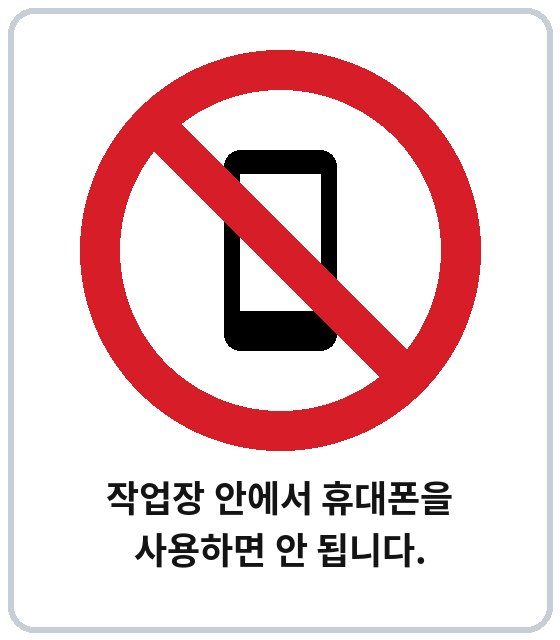
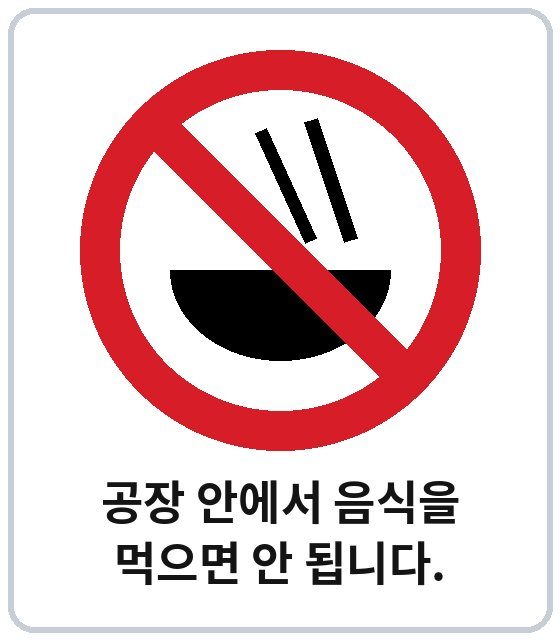
공장 안에서는 사진 찍으면 안 돼요.gongjang aneseoneun sajin jjigeumyeon an dwaeyoYou must not take photos inside the factory.
휴게실에서는 커피 마셔도 돼요.hyugesireseoneun keopi masyeodo dwaeyoYou may drink coffee in the break room.
3. 듣기 · Listen
1. 듣고 여기서 하면 안 되는 일을 고르세요. Listen. What must you not do here?
2. 듣고 알맞은 뜻을 고르세요. Listen and choose the meaning.
4. 이해 · 적용 · Understand & apply
③. 허락을 묻는 말로 바꾸세요: 앉아요 Ask permission: 앉아요 →
④. 빈칸에 알맞은 것을 고르세요: 여기서 음식을 먹___ 안 돼요. Fill in the blank: 여기서 음식을 먹___ 안 돼요.
⑤. “여기 앉아도 돼요?”에 알맞은 대답을 고르세요. (앉아도 괜찮아요.) “여기 앉아도 돼요?” It’s okay to sit. Choose the answer.
5. 문장 읽기 · Read & Record
선생님, 물 마셔도 돼요?seonsaengnim, mul masyeodo dwaeyo?Teacher, may I drink some water?
먼저 읽고 녹음하세요. / Read first, then record.
6. 오늘의 대화 · Today’s conversation
상황 · Situation 수업 시간이에요. 누리 선생님과 조이가 공장 이야기를 해요. It’s class time. NURI asks about the rules at Joy’s factory, and Joy finds a word she doesn’t know.
① 듣기 · Listen — 대본을 보지 말고 먼저 들으세요. 두 번까지 들어도 돼요. Listen first without the script. You may listen twice.
② 내용 확인 · Check what you heard
대화 1. 공장 안에서 사진을 찍어도 돼요? May workers take photos inside the factory?
대화 2. 조이는 왜 휴대폰을 보고 싶어요? Why does Joy want to look at her phone?
대본 보기 · Show the script (after you answer)
조이: 선생님, 여기 앉아도 돼요?Teacher, may I sit here?
누리: 네, 앉으세요. 조이 씨, 공장 이야기 좀 해 주세요. 공장 안에서 사진 찍어도 돼요?Yes, have a seat. Joy, tell me about your factory. Can people take photos inside?
조이: 아니요, 공장 안에서는 사진 찍으면 안 돼요.No, you must not take photos inside the factory.
누리: 그래요? 그럼 휴게실에서는 커피 마셔도 돼요?Really? Then can you drink coffee in the break room?
조이: 네, 휴게실에서는 마셔도 돼요.Yes, you may drink it in the break room.
누리: 좋네요. 자, 그럼 오늘 단어를 같이 읽어요.That’s nice. Okay, then let’s read today’s words together.
조이: 선생님, 이 단어는 잘 모르겠어요. 휴대폰으로 찾아봐도 돼요?Teacher, I don’t really know this word. May I look it up on my phone?
누리: 네, 찾아봐도 돼요. 그런데 시험 시간에는 안 돼요!Yes, you may. But not during a test!
③ 조이 역할 말하기 · Be Joy — 누리(상대)의 말이 나온 뒤 5초 쉼이 있어요. 아래 영어 뜻을 보고 그 자리에서 조이의 말을 한국어로 말하세요. After each line from the other speaker there is a 5-second pause. Look at the English cue and say Joy’s line in Korean.
조이 (나) ▶ Say: Teacher, may I sit here?
누리(NURI speaks — listen)
조이 (나) ▶ Say: No, you must not take photos inside the factory.
누리(NURI speaks — listen)
조이 (나) ▶ Say: Yes, you may drink it in the break room.
누리(NURI speaks — listen)
조이 (나) ▶ Say: Teacher, I don’t really know this word. May I look it up on my phone?
누리(NURI speaks — listen)
조이의 말 정답 보기 · Show Joy’s lines (after you speak)
선생님, 여기 앉아도 돼요?Teacher, may I sit here?
아니요, 공장 안에서는 사진 찍으면 안 돼요.No, you must not take photos inside the factory.
네, 휴게실에서는 마셔도 돼요.Yes, you may drink it in the break room.
선생님, 이 단어는 잘 모르겠어요. 휴대폰으로 찾아봐도 돼요?Teacher, I don’t really know this word. May I look it up on my phone?
④ 내 말로 말하기 · Speak
Ask your team leader if you may sit here.
먼저 말하고 녹음하세요. / Say it first, then record.
7. 노트에 쓰기 · Write
허락을 묻는 문장 하나와 하면 안 되는 일 하나를 써 보세요. Write one question asking permission and one rule with -(으)면 안 돼요.
Master Check
□ -아도/어도 돼요?로 허락을 구할 수 있다. I can ask permission with -아도/어도 돼요?
□ -(으)면 안 돼요로 규칙을 말할 수 있다. I can state a rule with -(으)면 안 돼요.
문항을 틀렸다면 다시 듣고 다시 시도하세요. If you missed a question, listen again and retry.
DAY 112 · WEEK 23
할 수 있어요 · 하고 싶어요 — 능력과 바람
할 수 있는 일과 하고 싶은 일을 말합니다 (면접 연습). Say what you can do and what you want to do — like in a job interview.
Day 111 복습 -아도/어도 돼요?(예: 앉아도 돼요? 먹어도 돼요?)-ado / -eodo dwaeyo?may I-(으)면 안 돼요(예: 보면 안 돼요, 찍으면 안 돼요)-(eu)myeon an dwaeyomust not여기 앉아도 돼요?yeogi anjado dwaeyo?사진 찍으면 안 돼요.sajin jjigeumyeon an dwaeyo Listen and read each item again before today’s new learning.
2. 오늘의 핵심 표현 · Key expressions
-(으)ㄹ 수 있어요/없어요(예: 할 수 있어요, 할 수 없어요)-(eu)l su isseoyo / eopseoyocan / can’t-고 싶어요(예: 가고 싶어요)-go sipeoyowant to들다deuldalift, carry무거워요 → 무거운mugeowoyo → mugeounheavy운전하다unjeonhadadrive지게차jigechaforklift면접myeonjeopjob interview
할 수 있어요: -다를 빼고 받침 없으면 ㄹ 수 있어요(할 수 있어요, 갈 수 있어요), 받침 있으면 을 수 있어요(읽을 수 있어요). ㄹ 받침 → 수 있어요만: 들다 → 들 수 있어요. 못 하면 -(으)ㄹ 수 없어요. 하고 싶어요: -다를 빼고 고 싶어요: 일하고 싶어요, 쉬고 싶어요. 무겁다 → 무거워요, 무거운 (ㅂ 불규칙). CAN: take off -다; no final consonant → ㄹ 수 있어요 (할 수 있어요, 갈 수 있어요); final consonant → 을 수 있어요 (읽을 수 있어요); stem ending in ㄹ → just 수 있어요: 들다 → 들 수 있어요. CAN’T: -(으)ㄹ 수 없어요. WANT: take off -다 and add 고 싶어요: 일하고 싶어요, 쉬고 싶어요. 무겁다 → 무거워요, 무거운 (ㅂ irregular).
저는 한국어를 할 수 있어요.jeoneun hangugeoreul hal su isseoyoI can speak Korean.
무거운 물건도 들 수 있어요.mugeoun mulgeondo deul su isseoyoI can lift heavy things too.
한국에서 일하고 싶어요.hangugeseo ilhago sipeoyoI want to work in Korea.
3. 듣기 · Listen
1. 듣고 이 사람이 할 수 없는 일을 고르세요. Listen. What can’t the speaker do?
2. 듣고 알맞은 뜻을 고르세요. Listen and choose the meaning.
4. 이해 · 적용 · Understand & apply
③. ‘할 수 있어요’로 바꾸세요: 읽다 Change into “can”: 읽다
④. 하고 싶은 것을 말하는 문장을 고르세요. Which sentence says what you WANT to do?
⑤. “한국어 할 수 있어요?”에 알맞은 대답을 고르세요. Choose the best answer to “한국어 할 수 있어요?”
5. 문장 읽기 · Read & Record
저는 한글을 읽을 수 있어요. 한국어를 배우고 싶어요.jeoneun hangeureul ilgeul su isseoyo. hangugeoreul baeugo sipeoyoI can read Hangul. I want to learn Korean.
먼저 읽고 녹음하세요. / Read first, then record.
6. 오늘의 대화 · Today’s conversation
상황 · Situation 수업 시간이에요. 오늘은 면접 연습을 해요. 누리 선생님이 사장님이에요. Job-interview practice. NURI plays the company president.
① 듣기 · Listen — 대본을 보지 말고 먼저 들으세요. 두 번까지 들어도 돼요. Listen first without the script. You may listen twice.
② 내용 확인 · Check what you heard
대화 1. 조이는 무거운 물건을 들 수 있어요? Can Joy lift heavy things?
대화 2. 조이는 일요일에 뭐 하고 싶어요? What does Joy want to do on Sundays?
대본 보기 · Show the script (after you answer)
누리: 자, 오늘은 제가 사장님이에요. 조이 씨, 한국어 할 수 있어요?Okay, today I’m the president. Joy, can you speak Korean?
조이: 네, 조금 할 수 있어요. 지금도 공부하고 있어요.Yes, I can speak a little. I’m still studying it now.
누리: 좋아요. 무거운 물건도 들 수 있어요?Good. Can you lift heavy things too?
조이: 네, 무거운 물건도 들 수 있어요.Yes, I can lift heavy things too.
누리: 지게차 운전할 수 있어요?Can you drive a forklift?
조이: 아니요, 운전할 수 없어요. 그런데 배우고 싶어요.No, I can’t drive one. But I want to learn.
누리: 주말에도 일할 수 있어요?Can you work on weekends too?
조이: 토요일에는 일할 수 있어요. 일요일에는 쉬고 싶어요.I can work on Saturdays. On Sundays I want to rest.
누리: 마지막 질문이에요. 왜 한국에서 일하고 싶어요?Last question. Why do you want to work in Korea?
조이: 가족을 도와주고 싶어요.I want to help my family.
③ 조이 역할 말하기 · Be Joy — 누리(상대)의 말이 나온 뒤 5초 쉼이 있어요. 아래 영어 뜻을 보고 그 자리에서 조이의 말을 한국어로 말하세요. After each line from the other speaker there is a 5-second pause. Look at the English cue and say Joy’s line in Korean.
누리(NURI speaks — listen)
조이 (나) ▶ Say: Yes, I can speak a little. I’m still studying it now.
누리(NURI speaks — listen)
조이 (나) ▶ Say: Yes, I can lift heavy things too.
누리(NURI speaks — listen)
조이 (나) ▶ Say: No, I can’t drive one. But I want to learn.
누리(NURI speaks — listen)
조이 (나) ▶ Say: I can work on Saturdays. On Sundays I want to rest.
누리(NURI speaks — listen)
조이 (나) ▶ Say: I want to help my family.
조이의 말 정답 보기 · Show Joy’s lines (after you speak)
네, 조금 할 수 있어요. 지금도 공부하고 있어요.Yes, I can speak a little. I’m still studying it now.
네, 무거운 물건도 들 수 있어요.Yes, I can lift heavy things too.
아니요, 운전할 수 없어요. 그런데 배우고 싶어요.No, I can’t drive one. But I want to learn.
토요일에는 일할 수 있어요. 일요일에는 쉬고 싶어요.I can work on Saturdays. On Sundays I want to rest.
가족을 도와주고 싶어요.I want to help my family.
④ 내 말로 말하기 · Speak
Tell an interviewer one thing you can do.
먼저 말하고 녹음하세요. / Say it first, then record.
7. 노트에 쓰기 · Write
할 수 있는 일 하나와 한국에서 하고 싶은 일 하나를 써 보세요. Write one thing you can do and one thing you want to do in Korea.
Master Check
□ -(으)ㄹ 수 있어요/없어요로 능력을 말할 수 있다. I can say what I can and can’t do.
□ -고 싶어요로 바라는 것을 말할 수 있다. I can say what I want to do with -고 싶어요.
문항을 틀렸다면 다시 듣고 다시 시도하세요. If you missed a question, listen again and retry.
DAY 113 · WEEK 23
같이 먹을까요? — -(으)ㄹ까요?
-(으)ㄹ까요?로 같이 하자고 하고, 시간과 장소를 정합니다. Suggest doing something together with -(으)ㄹ까요? and decide the time and place.
Day 112 복습 할 수 있어요 · 할 수 없어요hal su isseoyo · hal su eopseoyo-고 싶어요(예: 가고 싶어요)-go sipeoyowant to무거운 물건도 들 수 있어요.mugeoun mulgeondo deul su isseoyo한국에서 일하고 싶어요.hangugeseo ilhago sipeoyo Listen and read each item again before today’s new learning.
2. 오늘의 핵심 표현 · Key expressions
-(으)ㄹ까요?(예: 먹을까요?)-(eu)lkkayo?shall we …? / shall I …?어때요?eottaeyo?how about …? / how is it?끝나다 → 끝나고kkeunnada → kkeunnagoend → after (it) ends떡볶이tteokbokkitteokbokki (spicy rice cakes)
-다를 빼고 받침 없으면 ㄹ까요?(갈까요?, 할까요?, 만날까요?), 받침 있으면 을까요?(먹을까요?) = “같이 할까요?” 또는 “제가 할까요?” 좋으면: 좋아요! 안 되면: 미안해요. ○○아서/어서 못 가요. 자세히 정하기: 몇 시에 만날까요? 어디에서 만날까요? 여섯 시 어때요? 수업이 끝나고 = 수업이 끝난 다음. Take off -다; no final consonant → ㄹ까요? (갈까요?, 할까요?, 만날까요?); final consonant → 을까요? (먹을까요?) = “Shall we …?” or “Shall I …?” Say yes: 좋아요! Say no politely: 미안해요. ○○아서/어서 못 가요. Plan the details: 몇 시에 만날까요? 어디에서 만날까요? 여섯 시 어때요? (How about six?) 수업이 끝나고 = after class ends.
수업 끝나고 같이 떡볶이 먹을까요?sueop kkeunnago gachi tteokbokki meogeulkkayo?Shall we eat tteokbokki together after class?
몇 시에 만날까요?myeot sie mannalkkayo?What time shall we meet?
여섯 시 어때요?yeoseot si eottaeyo?How about six o’clock?
3. 듣기 · Listen
1. 듣고 두 사람이 만나는 시간을 고르세요. Listen. What time will they meet?
2. 듣고 알맞은 뜻을 고르세요. Listen and choose the meaning.
4. 이해 · 적용 · Understand & apply
③. 같이 하자는 말로 바꾸세요: 먹어요 Make it “shall we?”: 먹어요
④. 상황에 맞는 대답을 고르세요. Your friend asks “같이 점심 먹을까요?” You want to.
⑤. 어색한 대화를 고르세요. Choose the conversation that does not make sense.
5. 문장 읽기 · Read & Record
주말에 같이 영화 볼까요? 몇 시에 만날까요?jumare gachi yeonghwa bolkkayo? myeot sie mannalkkayo?Shall we watch a movie together this weekend? What time shall we meet?
먼저 읽고 녹음하세요. / Read first, then record.
6. 오늘의 대화 · Today’s conversation
상황 · Situation 수업이 다섯 시에 끝나요. Class ends at five. NURI invites Joy to eat together.
① 듣기 · Listen — 대본을 보지 말고 먼저 들으세요. 두 번까지 들어도 돼요. Listen first without the script. You may listen twice.
② 내용 확인 · Check what you heard
대화 1. 두 사람은 몇 시에 만나요? What time will they meet?
대화 2. 두 사람은 어디에서 만나요? Where will they meet?
대본 보기 · Show the script (after you answer)
누리: 조이 씨, 오늘 저녁에 같이 떡볶이 먹을까요?Joy, shall we have tteokbokki together this evening?
조이: 와, 좋아요! 몇 시에 만날까요?Wow, sounds good! What time shall we meet?
누리: 여섯 시 어때요?How about six?
조이: 여섯 시에는 일이 있어요. 일곱 시는 어때요?Oh, I have something at six. How about seven?
누리: 좋아요. 그럼 어디에서 만날까요?Okay. Then where shall we meet?
조이: 학교 앞에서 만날까요?Shall we meet in front of the school?
누리: 네, 그럼 일곱 시에 학교 앞에서 만나요!Yes, then let’s meet in front of the school at seven!
조이: 네, 이따가 봬요!Okay, see you later!
③ 조이 역할 말하기 · Be Joy — 누리(상대)의 말이 나온 뒤 5초 쉼이 있어요. 아래 영어 뜻을 보고 그 자리에서 조이의 말을 한국어로 말하세요. After each line from the other speaker there is a 5-second pause. Look at the English cue and say Joy’s line in Korean.
누리(NURI speaks — listen)
조이 (나) ▶ Say: Wow, sounds good! What time shall we meet?
누리(NURI speaks — listen)
조이 (나) ▶ Say: Oh, I have something at six. How about seven?
누리(NURI speaks — listen)
조이 (나) ▶ Say: Shall we meet in front of the school?
누리(NURI speaks — listen)
조이 (나) ▶ Say: Okay, see you later!
조이의 말 정답 보기 · Show Joy’s lines (after you speak)
와, 좋아요! 몇 시에 만날까요?Wow, sounds good! What time shall we meet?
여섯 시에는 일이 있어요. 일곱 시는 어때요?Oh, I have something at six. How about seven?
학교 앞에서 만날까요?Shall we meet in front of the school?
네, 이따가 봬요!Okay, see you later!
④ 내 말로 말하기 · Speak
Invite a co-worker to have lunch together.
먼저 말하고 녹음하세요. / Say it first, then record.
7. 노트에 쓰기 · Write
같이 하자는 문장 하나와 시간이나 장소를 정하는 문장 하나를 써 보세요. Write one invitation and one sentence that sets the time or place.
Master Check
□ -(으)ㄹ까요?로 같이 하자고 말할 수 있다. I can suggest something with -(으)ㄹ까요?
□ 어때요?로 시간이나 장소를 정할 수 있다. I can suggest a time or place with 어때요?
문항을 틀렸다면 다시 듣고 다시 시도하세요. If you missed a question, listen again and retry.
DAY 114 · WEEK 23
병원에 가야 돼서 못 가겠어요 — 이유 · 약속 함께 말하기
이유 · 해야 하는 일 · 약속을 한 번에 넣어 대답합니다. Answer with a reason, a must, and a promise all at once.
Day 113 복습 -(으)ㄹ까요?(예: 먹을까요?)-(eu)lkkayo?shall we몇 시에 만날까요?myeot sie mannalkkayo?여섯 시 어때요?yeoseot si eottaeyo?끝나고kkeunnagoafter it ends Listen and read each item again before today’s new learning.
2. 오늘의 핵심 표현 · Key expressions
대신daesininstead회의hoeui [회이]meeting병원byeongwonhospital-아야/어야 돼서(예: 가야 돼서)-aya / -eoya dwaeseobecause I have to못 가겠어요mot gagesseoyo [몯까게써요]I don’t think I can go (polite)
대답에 여러 조각을 넣어요. 반장님: “내일 회의 올 수 있어요?” 그런데 병원에 가야 해요. 그럼: 죄송해요. 병원에 가야 돼서못 가겠어요. 대신 금요일에 갈게요. 해야 돼요(가야 돼요) + 이유 -아서(가야 돼서) + 부드럽게 거절(못 가겠어요) + 약속(갈게요). 못 가겠어요는 통째로 알아 두세요. 필요하면 허락도 물어요: 오늘 일찍 퇴근해도 돼요? A real answer often has several pieces. If your team leader asks you to a meeting but you must go to the hospital: 죄송해요. 병원에 가야 돼서 못 가겠어요. 대신 금요일에 갈게요. MUST (가야 돼요) + REASON with -아서 (가야 돼서) + SAY NO SOFTLY (못 가겠어요) + PROMISE (갈게요). Learn 못 가겠어요 as a whole phrase. Ask permission when you need it: 오늘 일찍 퇴근해도 돼요?
병원에 가야 돼서 못 가겠어요.byeongwone gaya dwaeseo mot gagesseoyoI have to go to the hospital, so I don’t think I can go.
대신 금요일에 갈게요.daesin geumyoire galkkeyoI’ll go on Friday instead.
오늘 일찍 퇴근해도 돼요?oneul iljjik toegeunhaedo dwaeyo?May I leave work early today?
3. 듣기 · Listen
1. 듣고 이 사람이 회의에 못 가는 이유를 고르세요. Listen. Why can’t the speaker come to the meeting?
2. 듣고 알맞은 뜻을 고르세요. Listen and choose the meaning.
4. 이해 · 적용 · Understand & apply
③. 빈칸에 알맞은 것을 고르세요: 오늘은 못 가요. ___ 내일 갈게요. Fill in the blank: 오늘은 못 가요. ___ 내일 갈게요. (instead)
④. 틀린 문장을 고르세요. Choose the incorrect sentence.
⑤. 네 조각(미안해요 · 이유 · 거절 · 약속)이 모두 있는 대답을 고르세요. “내일 회의 올 수 있어요?” Which answer has ALL the pieces: sorry, reason, no, and a promise?
5. 문장 읽기 · Read & Record
반장님, 죄송해요. 오늘 병원에 가야 돼서 일찍 퇴근해도 돼요?banjangnim, joesonghaeyo. oneul byeongwone gaya dwaeseo iljjik toegeunhaedo dwaeyo?Team leader, I’m sorry. I have to go to the hospital today, so may I leave early?
먼저 읽고 녹음하세요. / Read first, then record.
6. 오늘의 대화 · Today’s conversation
상황 · Situation 역할 연습이에요. 누리 선생님이 조이의 반장님 역할을 해요. A role-play: NURI plays Joy’s team leader.
① 듣기 · Listen — 대본을 보지 말고 먼저 들으세요. 두 번까지 들어도 돼요. Listen first without the script. You may listen twice.
② 내용 확인 · Check what you heard
대화 1. 조이는 어디가 아파요? Where does it hurt for Joy?
대화 2. 조이는 금요일에 어떻게 할 거예요? What will Joy do on Friday?
대본 보기 · Show the script (after you answer)
누리: 자, 제가 반장님이에요. 조이 씨, 내일 회의가 있어요. 올 수 있어요?Okay, I’m your team leader. Joy, there’s a meeting tomorrow. Can you come?
조이: 죄송합니다. 내일은 병원에 가야 돼서 못 가겠어요.Oh, I’m sorry. I have to go to the hospital tomorrow, so I don’t think I can come.
누리: 병원이요? 어디 아파요?The hospital? Where does it hurt?
조이: 손이 좀 아파요.My hand hurts a bit.
누리: 아이고, 그럼 금요일 회의에는 올 수 있어요?Oh dear. Then can you come to the meeting on Friday?
조이: 네, 금요일에는 갈 수 있어요. 대신 그날은 일찍 올게요.Yes, I can come on Friday. I’ll come in early that day instead.
누리: 좋아요. 금요일에는 사장님도 오세요. 늦으면 안 돼요.Good. The president is coming on Friday too. You must not be late.
조이: 네, 알겠습니다. 금요일에 봬요!Yes, I understand. See you on Friday!
③ 조이 역할 말하기 · Be Joy — 누리(상대)의 말이 나온 뒤 5초 쉼이 있어요. 아래 영어 뜻을 보고 그 자리에서 조이의 말을 한국어로 말하세요. After each line from the other speaker there is a 5-second pause. Look at the English cue and say Joy’s line in Korean.
누리(NURI speaks — listen)
조이 (나) ▶ Say: Oh, I’m sorry. I have to go to the hospital tomorrow, so I don’t think I can come.
누리(NURI speaks — listen)
조이 (나) ▶ Say: My hand hurts a bit.
누리(NURI speaks — listen)
조이 (나) ▶ Say: Yes, I can come on Friday. I’ll come in early that day instead.
누리(NURI speaks — listen)
조이 (나) ▶ Say: Yes, I understand. See you on Friday!
조이의 말 정답 보기 · Show Joy’s lines (after you speak)
죄송합니다. 내일은 병원에 가야 돼서 못 가겠어요.Oh, I’m sorry. I have to go to the hospital tomorrow, so I don’t think I can come.
손이 좀 아파요.My hand hurts a bit.
네, 금요일에는 갈 수 있어요. 대신 그날은 일찍 올게요.Yes, I can come on Friday. I’ll come in early that day instead.
네, 알겠습니다. 금요일에 봬요!Yes, I understand. See you on Friday!
④ 내 말로 말하기 · Speak
Say no to a meeting: give a reason and promise another day.
먼저 말하고 녹음하세요. / Say it first, then record.
7. 노트에 쓰기 · Write
반장님께 짧게 써 보세요: 못 가는 것, 이유, 대신 할 일. Write a short text to your boss: you can’t come, why, and what you will do instead.
Master Check
□ 이유와 약속을 함께 넣어 거절할 수 있다. I can say no with a reason and a promise.
□ 대신 · -아야/어야 돼서를 쓸 수 있다. I can use 대신 and -아야/어야 돼서.
문항을 틀렸다면 다시 듣고 다시 시도하세요. If you missed a question, listen again and retry.
DAY 115 · WEEK 23
긴 문장 만들기 — 초급 마무리
때 · 곳 · 방법 · 동사를 이어 긴 문장을 만들고, 끝을 바꿔 말합니다. 다음 주(24주)는 초급 최종 평가 주입니다. Build long sentences (time + place + how + verb) and change the ending. Next week (Week 24) is the beginner final check.
Day 114 복습 대신 · 회의 · 병원daesin · hoeui · byeongwon병원에 가야 돼서 못 가겠어요.byeongwone gaya dwaeseo mot gagesseoyo대신 금요일에 갈게요.daesin geumyoire galkkeyo오늘 일찍 퇴근해도 돼요?oneul iljjik toegeunhaedo dwaeyo? Listen and read each item again before today’s new learning.
2. 오늘의 핵심 표현 · Key expressions
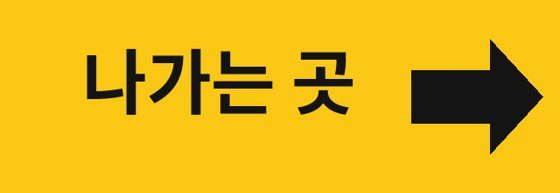
입구 · 출구ipgu · chulguentrance · exit켜다 · 끄다kyeoda · kkeudaturn on · turn off끄세요kkeuseyoplease turn (it) off
한 조각씩 붙여요: 가요. → 회사에 가요. → 버스로 회사에 가요. → 아침 여덟 시에 버스로 회사에 가요. 그다음 끝을 바꿔요: 가야 돼요 · 가고 싶어요 · 갈 거예요. 반대말 짝: 입구 ↔ 출구, 켜다 ↔ 끄다, 입다 ↔ 벗다 (17주), 가다 ↔ 오다. 끄다는 끄세요 / 꺼요로 바뀌어요. Add one piece at a time: 가요. → 회사에 가요. → 버스로 회사에 가요. → 아침 여덟 시에 버스로 회사에 가요. Then change the ending: 가야 돼요 · 가고 싶어요 · 갈 거예요. Opposite pairs: 입구 (entrance) ↔ 출구 (exit), 켜다 (turn on) ↔ 끄다 (turn off), 입다 ↔ 벗다, 가다 ↔ 오다. 끄다 becomes 끄세요 / 꺼요.
아침 여덟 시에 버스로 회사에 가요.achim yeodeol sie beoseuro hoesa-e gayoI go to work by bus at eight in the morning.
퇴근하고 기계를 꼭 끄세요.toegeunhago gigyereul kkok kkeuseyoBe sure to turn off the machine after work.
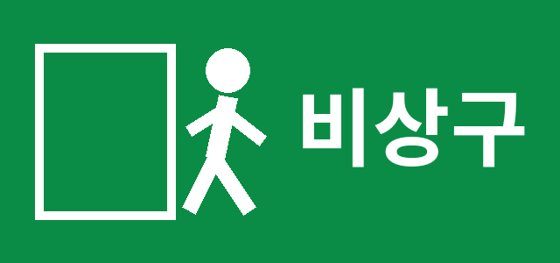
출구는 오른쪽에 있어요.chulguneun oreunjjoge isseoyoThe exit is on the right.
3. 듣기 · Listen
1. 듣고 와야 하는 시간을 고르세요. Listen. By what time must you come?
2. 안내 방송을 듣고 퇴근하고 해야 하는 일을 고르세요. Listen to the announcement. What must you do after work?
4. 이해 · 적용 · Understand & apply
③. 바른 순서를 고르세요. Which order sounds natural?
④. 반대말을 고르세요: 입구 ↔ ? Choose the opposite: 입구 ↔ ?
⑤. ‘직업’에 알맞은 낱말을 고르세요. Which word is a 직업 (job)?
5. 문장 읽기 · Read & Record
내일은 아침 여덟 시에 버스로 회사에 가야 돼요.naeireun achim yeodeol sie beoseuro hoesa-e gaya dwaeyoTomorrow I have to go to work by bus at eight in the morning.
먼저 읽고 녹음하세요. / Read first, then record.
6. 오늘의 대화 · Today’s conversation
상황 · Situation 초급 마지막 새 수업이 끝났어요. The last new lesson of the beginner course is over. NURI and Joy leave the classroom together.
① 듣기 · Listen — 대본을 보지 말고 먼저 들으세요. 두 번까지 들어도 돼요. Listen first without the script. You may listen twice.
② 내용 확인 · Check what you heard
대화 1. 조이는 내일 무엇으로 회사에 가요? How will Joy go to work tomorrow?
대화 2. 조이는 시험 끝나고 뭐 하고 싶어요? What does Joy want to do after the exam?
대본 보기 · Show the script (after you answer)
누리: 조이 씨, 다음 주에는 시험 연습을 해요. 내일은 뭐 해요?Joy, next week we’ll do exam practice. What are you doing tomorrow?
조이: 내일은 아침 여덟 시에 버스로 회사에 가야 돼요.Tomorrow I have to go to work by bus at eight in the morning.
누리: 아침 일찍 가네요. 주말에는요?You go early in the morning. And on the weekend?
조이: 주말에는 친구하고 같이 쇼핑하고 싶어요. 겨울옷을 사고 싶어요.On the weekend I want to go shopping with a friend. I want to buy winter clothes.
누리: 와, 좋겠네요! 시험 끝나고는 뭐 하고 싶어요?Wow, that sounds nice! And what do you want to do after the exam?
조이: 한국에서 일하고 싶어요. 한국어도 더 배우고 싶어요.I want to work in Korea. I want to learn more Korean too.
누리: 조이 씨는 할 수 있을 거예요! 주말에도 조금 공부하세요.You’ll be able to do it, Joy! Study a little on the weekend too.
조이: 네, 선생님. 주말에도 공부할게요!Okay, teacher. I’ll study on the weekend too!
③ 조이 역할 말하기 · Be Joy — 누리(상대)의 말이 나온 뒤 5초 쉼이 있어요. 아래 영어 뜻을 보고 그 자리에서 조이의 말을 한국어로 말하세요. After each line from the other speaker there is a 5-second pause. Look at the English cue and say Joy’s line in Korean.
누리(NURI speaks — listen)
조이 (나) ▶ Say: Tomorrow I have to go to work by bus at eight in the morning.
누리(NURI speaks — listen)
조이 (나) ▶ Say: On the weekend I want to go shopping with a friend. I want to buy winter clothes.
누리(NURI speaks — listen)
조이 (나) ▶ Say: I want to work in Korea. I want to learn more Korean too.
누리(NURI speaks — listen)
조이 (나) ▶ Say: Okay, teacher. I’ll study on the weekend too!
조이의 말 정답 보기 · Show Joy’s lines (after you speak)
내일은 아침 여덟 시에 버스로 회사에 가야 돼요.Tomorrow I have to go to work by bus at eight in the morning.
주말에는 친구하고 같이 쇼핑하고 싶어요. 겨울옷을 사고 싶어요.On the weekend I want to go shopping with a friend. I want to buy winter clothes.
한국에서 일하고 싶어요. 한국어도 더 배우고 싶어요.I want to work in Korea. I want to learn more Korean too.
네, 선생님. 주말에도 공부할게요!Okay, teacher. I’ll study on the weekend too!
④ 내 말로 말하기 · Speak
Start with 먹어요. Add when and where, then make it “want to”.
먼저 말하고 녹음하세요. / Say it first, then record.
⑤ 누리의 질문에 내 말로 대답하기 · Answer NURI your way
NURI asks: Joy, what do you have to do tomorrow? Say it in one long sentence.
내 이야기로 대답하고 녹음하세요. / Answer about yourself, then record.
7. 노트에 쓰기 · Write
내일에 대한 긴 문장 하나(때 + 곳 + 방법 + 동사)와 -고 싶어요 문장 하나를 써 보세요. Write one long sentence about tomorrow (time + place + how + verb) and one sentence with -고 싶어요.
Master Check
□ 조각을 이어 긴 문장을 만들 수 있다. I can build a long sentence piece by piece.
□ 문장 끝을 -아야 돼요 · -고 싶어요 · -(으)ㄹ 거예요로 바꿀 수 있다. I can change the ending to must, want, or plan.
문항을 틀렸다면 다시 듣고 다시 시도하세요. If you missed a question, listen again and retry.
SATURDAY · WEEK 23
23주차 누적 복습 · 허락 · 금지 · 능력 · 바람 · 제안
이번 주 -아도 돼요? · -(으)면 안 돼요 · -(으)ㄹ 수 있어요 · -고 싶어요 · -(으)ㄹ까요?를 새로운 문제로 다시 확인합니다. Review this week’s permission, rules, can, want, and “shall we?” with new questions.
-아도/어도 돼요?(예: 앉아도 돼요? 먹어도 돼요?)-ado / -eodo dwaeyo?-(으)면 안 돼요(예: 보면 안 돼요, 찍으면 안 돼요)-(eu)myeon an dwaeyo-(으)ㄹ 수 있어요(예: 할 수 있어요)-(eu)l su isseoyo-고 싶어요(예: 가고 싶어요)-go sipeoyo-(으)ㄹ까요? · 어때요?(예: 먹을까요? 어때요?)-(eu)lkkayo? · eottaeyo?대신 · 회의 · 병원daesin · hoeui · byeongwon입구 · 출구ipgu · chulgu켜다 · 끄다kyeoda · kkeuda
2. 듣기 · 4분 Listening · 4 min
Q1. 듣고 이 사람에 대해 맞는 것을 고르세요. Listen. What does the speaker say about driving?
Q2. 듣고 알맞은 뜻을 고르세요. Listen and choose the meaning.
Q3. 듣고 알맞은 뜻을 고르세요. Listen and choose the meaning.
3. 구별·선택 · 5분 Distinguish & choose · 5 min
Q4. ‘할 수 있어요’로 바꾸세요: 들다 (lift) Change into “can”: 들다 (lift)
Q5. 빈칸에 알맞은 것을 고르세요: 여기서 사진을 찍___ 안 돼요. Fill in the blank: 여기서 사진을 찍___ 안 돼요.
Q6. ‘하고 싶어요’로 바꾸세요: 쉬다 Change into “want to”: 쉬다
4. 단어·문장 읽기 · 6분 Read words & sentences · 6 min
문장을 소리 내어 읽고 녹음합니다. Read the sentences aloud and record.
선생님, 여기 앉아도 돼요?seonsaengnim, yeogi anjado dwaeyo?Teacher, may I sit here?
주말에 같이 영화 볼까요?jumare gachi yeonghwa bolkkayo?Shall we watch a movie together this weekend?
먼저 읽고 녹음하세요. / Read first, then record.
Q7. 안내문을 읽고 뜻을 고르세요: 퇴근하고 기계를 꼭 끄세요. Read the notice: 퇴근하고 기계를 꼭 끄세요.
5. 말하기 · 5분 Speaking · 5 min
뜻이나 상황을 보고 먼저 한국어로 말한 뒤 녹음합니다. Look at the meaning or situation, say it in Korean first, then record.
Ask your teacher if you may drink water.
먼저 말하고 녹음하세요. / Say it first, then record.
Tell an interviewer you can lift heavy things.
먼저 말하고 녹음하세요. / Say it first, then record.
Invite a co-worker to have lunch together.
먼저 말하고 녹음하세요. / Say it first, then record.
6. 최종 확인·쓰기 · 5분 Final check & writing · 5 min
Q8. 알맞은 대답을 고르세요. A: 오늘 회의 올 수 있어요? B: (아파요) A: 오늘 회의 올 수 있어요? B is sick. Choose B’s best answer.
Q9. 알맞은 대답을 고르세요. A: 주말에 같이 영화 볼까요? B: ___ Complete it. A: 주말에 같이 영화 볼까요? B: ___
틀린 문항의 낱말이나 문장을 바르게 고쳐 각각 3번씩 써 보세요. Rewrite each item you missed correctly, three times each.
7. 오답 재학습 · 2분 Review mistakes · 2 min
틀린 문제만 다시 풀기 → 해당 Day로 돌아가 다시 듣기 → 소리 내어 다시 말하기 Redo only the questions you missed → go back to that day and listen again → say it aloud again.
다시 볼 수업 Lessons to revisit:
Master Check
□ 허락을 묻고 규칙을 말할 수 있다. I can ask permission and state rules.
□ 할 수 있는 일 · 하고 싶은 일 · 같이 할 일을 말할 수 있다. I can say what I can do, want to do, and suggest doing together.
□ 정답률 80% 미만인 단계는 24주 최종 평가 첫 수업 전에 한 번 더 복습합니다.Review any step below 80% accuracy once more before the first lesson of the Week 24 final check.
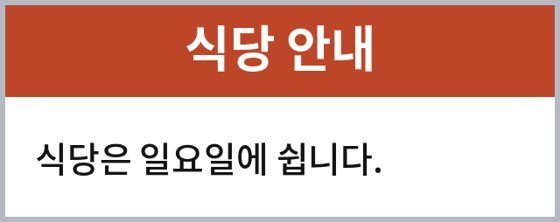
Sunday · Rest 일요일은 쉽니다.
WEEK 24 초급 최종 평가 — 듣기 · 읽기 · 어휘 · 보완 · 모의시험 Beginner final check — listening, reading, vocabulary, repair, and a mock test
DAY 116 · WEEK 24 · FINAL CHECK
최종 확인 1: 듣기 Final check 1: listening
23주 동안 배운 소리 · 숫자 · 낱말 · 대화 · 안내 방송을 듣고 내 듣기 실력을 확인합니다. Measure your listening — sounds, numbers, words, dialogues, and announcements from all 23 weeks.
오늘의 계획 · Today’s plan 준비 · 2분 Get ready · 2 min 34문항 · 22분 (한 문항에 약 40초, 소리는 두 번까지) 34 questions · 22 min (about 40 seconds each; play each audio at most twice) 확인과 다시 풀기 · 8분 Check and review · 8 min
오늘의 팁 · Today’s tip 진짜 시험처럼 하세요. 보기 4개를 먼저 읽고, 핵심 낱말(몇 시, 어디, 얼마, 누구, 뭐)을 들으세요. 마지막 4문항은 그림 문제예요. Treat this like the real exam: read the 4 choices FIRST, then listen for the key word — 몇 시, 어디, 얼마, 누구, 뭐. The last 4 are picture questions.
1. 최종 확인 문제 · Final check questions
처음 고른 답이 최종 보고서에 들어가요. 틀리면 다시 골라서 정답을 확인하세요. Your first answer goes into your final report. If you miss one, try again to find the right answer.
1. 듣고 알맞은 뜻을 고르세요 Listen and choose the meaning
2. 듣고 알맞은 대답을 고르세요 Listen — choose the best reply
3. 듣고 알맞은 것을 고르세요 Listen and answer — What is the person doing now?
4. 듣고 알맞은 것을 고르세요 Listen and answer — When is the president coming?
5. 들리는 말을 고르세요 Listen — which word do you hear?
6. 듣고 알맞은 뜻을 고르세요 Listen and choose the meaning
7. 질문을 듣고 알맞은 대답을 고르세요 Listen to the question — choose the best reply
8. 듣고 알맞은 뜻을 고르세요 Listen and choose the meaning
9. 듣고 만나는 때를 고르세요 Listen and answer: When will they meet?
10. 들리는 말을 고르세요 Listen — which word do you hear?
11. 듣고 만나는 시간을 고르세요 Listen and answer: What time will they meet?
12. 듣고 알맞은 뜻을 고르세요 Listen and choose the meaning
13. 듣고 만나는 곳을 고르세요 Listen and answer: Where will they meet?
14. 들리는 말을 고르세요 Listen — which word do you hear?
15. 듣고 알맞은 뜻을 고르세요 Listen and choose the meaning
16. 들리는 말을 고르세요 Listen — which word do you hear?
17. 들리는 말을 고르세요 Listen — which word do you hear?
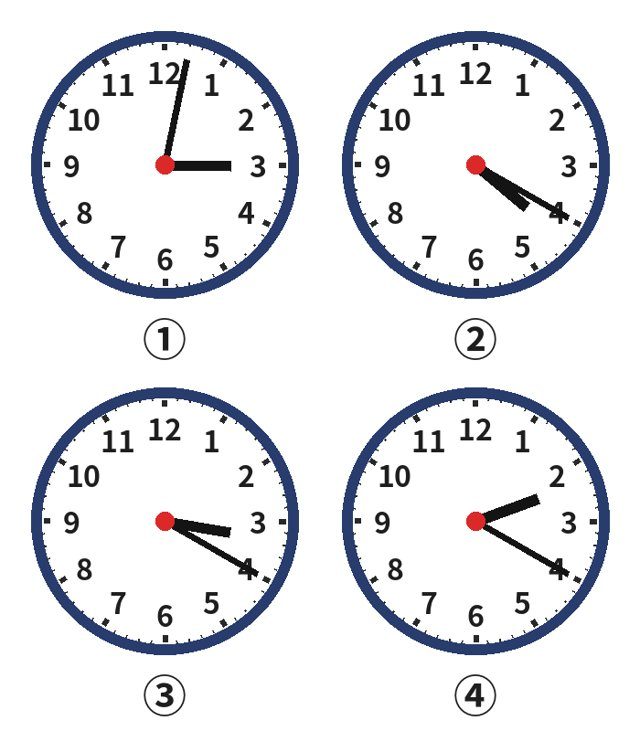
18. 듣고 알맞은 것을 고르세요 Listen and answer — Listen. Which clock shows the time?
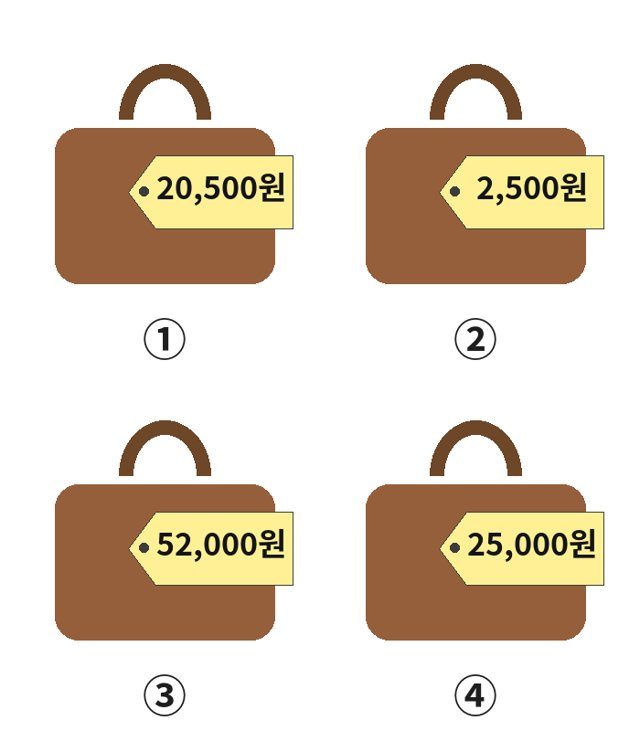
19. 듣고 알맞은 것을 고르세요 Listen and answer — Listen. Which price tag is right?
20. 듣고 알맞은 것을 고르세요 Listen and answer — How many people are on the team?
21. 듣고 알맞은 것을 고르세요 Listen and answer — What is the date today?
22. 듣고 알맞은 대답을 고르세요 Listen — choose the best reply
23. 듣고 알맞은 대답을 고르세요 Listen — choose the best reply
24. 듣고 알맞은 것을 고르세요 Listen and answer — When did the speaker go to the market?
25. 듣고 알맞은 대답을 고르세요 Listen — choose the best reply
26. 듣고 알맞은 대답을 고르세요 Listen — choose the best reply
27. 듣고 알맞은 것을 고르세요 Listen and answer — How does the speaker go to work?
28. 듣고 알맞은 대답을 고르세요 Listen — choose the best reply
29. 듣고 알맞은 것을 고르세요 Listen and answer — What will the speaker do tomorrow?
30. 듣고 알맞은 대답을 고르세요 Listen — choose the best reply
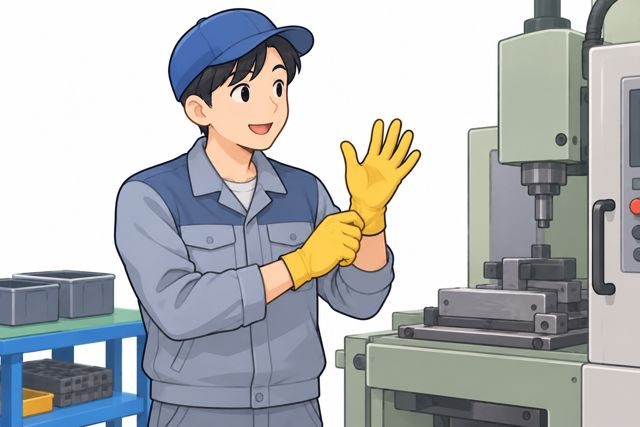
31. 그림을 보고 ①~④를 듣고 고르세요 Look at the picture, listen to ①–④, and choose — Which sentence matches the picture?
32. 그림을 보고 ①~④를 듣고 고르세요 Look at the picture, listen to ①–④, and choose — Which sentence matches the picture?
33. 그림을 보고 ①~④를 듣고 고르세요 Look at the picture, listen to ①–④, and choose — Which sentence matches the picture?
34. 그림을 보고 ①~④를 듣고 고르세요 Look at the picture, listen to ①–④, and choose — Which sentence matches the picture?
2. 내 점수 · My score
듣기: 소리·낱말 Listening: sounds & words
듣기: 대화·안내 Listening: dialogues & announcements
3. 다시 보기 · Check and review
틀린 문제를 모두 다시 듣고, 정답을 소리 내어 말하세요. Redo every question you missed and say the answer aloud.
DAY 117 · WEEK 24 · FINAL CHECK
최종 확인 2: 읽기 Final check 2: reading
23주 동안 배운 표지 · 안내문 · 문장 · 빈칸을 읽고 내 읽기 실력을 확인합니다. Measure your reading — signs, notices, sentences, and blanks from all 23 weeks.
오늘의 계획 · Today’s plan 준비 · 2분 Get ready · 2 min 30문항 · 20분 (한 문항에 약 40초) 30 questions · 20 min (about 40 seconds each) 확인과 다시 풀기 · 8분 Check and review · 8 min
오늘의 팁 · Today’s tip 안내문에서는 요일 · 시간 · 해야 하는 일과 하면 안 되는 일(-아야 합니다, -(으)면 안 됩니다, -(으)세요)을 찾으세요. 빈칸은 바로 앞뒤 낱말을 보세요. In a notice, find the DAY, the TIME, and what you MUST or MUST NOT do (-아야 합니다, -(으)면 안 됩니다, -(으)세요). For a blank, look at the words right before and after it.
1. 최종 확인 문제 · Final check questions
처음 고른 답이 최종 보고서에 들어가요. 틀리면 다시 골라서 정답을 확인하세요. Your first answer goes into your final report. If you miss one, try again to find the right answer.
1. 빈칸에 알맞은 것을 고르세요: 머리가 아파___ 못 가요. Fill in the blank
2. 빈칸에 알맞은 것을 고르세요: 버스___ 회사에 가요. Fill in the blank
3. 안내문을 읽고 알맞은 것을 고르세요 Read the notice and answer — What must you NOT do?
4. 안내문을 읽고 알맞은 것을 고르세요 Read the notice and answer — When must you come?
5. 빈칸에 알맞은 것을 고르세요: 사장님은 지금 사무실에 ___. Fill in the blank
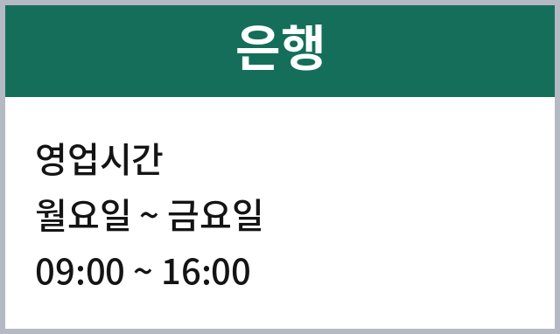
6. 안내문을 읽고 알맞은 것을 고르세요: 식당 · 월요일 ~ 금요일 · 아침 아홉 시 ~ 저녁 다섯 시 — What time does it open? Read the notice and answer
7. 알맞은 곳이나 낱말을 고르세요 Which sign or word fits? — Where do you eat lunch?
8. 빈칸에 알맞은 것을 고르세요: 버스를 ___ Fill in the blank
9. 안내문을 읽고 알맞은 것을 고르세요: 약국 · 월요일 ~ 토요일 · 아침 일곱 시 ~ 저녁 여덟 시 — What is this notice for? Read the notice and answer
10. 알맞은 뜻을 고르세요: 집 Choose the meaning
11. 알맞은 뜻을 고르세요: 직진하세요. Choose the meaning
12. 안내문을 읽고 알맞은 것을 고르세요: 식당 · 월요일 ~ 토요일 · 아침 일곱 시 ~ 저녁 다섯 시 — What time does it open? Read the notice and answer
13. 알맞은 뜻을 고르세요: 네 명이에요. Choose the meaning
14. 알맞은 뜻을 고르세요: 필리핀 사람이에요. Choose the meaning
15. 빈칸에 알맞은 것을 고르세요: 이거 얼마예요? — 삼천 ___ Fill in the blank
16. 알맞은 곳이나 낱말을 고르세요 Which sign or word fits? — Where do you wash your hands?
17. 알맞은 뜻을 고르세요 Choose the meaning — What does this sign mean?
18. 안내문을 읽고 알맞은 것을 고르세요 Read the notice and answer — When is the lunch break?
19. 안내문을 읽고 알맞은 것을 고르세요 Read the notice and answer — What does this sign mean?
20. 안내문을 읽고 알맞은 것을 고르세요 Read the notice and answer — Where does the bus go?
21. 안내문을 읽고 알맞은 것을 고르세요 Read the notice and answer — What does this sign mean?
22. 빈칸에 알맞은 것을 고르세요: 저는 필리핀 사람___. Fill in the blank
23. 빈칸에 알맞은 것을 고르세요: 어제 시장에서 사과를 ___. Fill in the blank
24. 빈칸에 알맞은 것을 고르세요: 내일 친구를 ___ 거예요. Fill in the blank
25. 빈칸에 알맞은 것을 고르세요: 김치는 맵___ 맛있어요. Fill in the blank
26. 빈칸에 알맞은 것을 고르세요: 공장에서는 안전화를 꼭 신___ 돼요. Fill in the blank
27. 빈칸에 알맞은 것을 고르세요: 무거운 물건도 들 ___ 있어요. Fill in the blank
28. 알맞은 뜻을 고르세요: 식당이 가까워서 좋아요. Choose the meaning
29. 알맞은 한국어 문장을 고르세요 Choose the right Korean sentence — "I am wearing gloves." = ?
30. 알맞은 한국어 문장을 고르세요 Choose the right Korean sentence — "The president is in the office." = ?
2. 내 점수 · My score
읽기: 표지·안내문 Reading: signs & notices
읽기: 문장·빈칸 Reading: sentences & blanks
3. 다시 보기 · Check and review
틀린 문제를 다시 풀고, 정답 문장을 소리 내어 읽으세요. Redo the ones you missed and read each correct answer aloud.
DAY 118 · WEEK 24 · FINAL CHECK
최종 확인 3: 어휘 Final check 3: vocabulary
숫자 · 가족 · 직업 · 장소 · 음식 · 몸 · 교통 · 날씨 · 일 · 안전 낱말을 확인합니다. Measure the words you learned — numbers, family, jobs, places, food, body, transport, weather, work, and safety.
오늘의 계획 · Today’s plan 준비 · 2분 Get ready · 2 min 35문항 · 20분 (한 문항에 약 30초) 35 questions · 20 min (about 30 seconds each) 확인과 다시 풀기 · 8분 Check and review · 8 min
오늘의 팁 · Today’s tip 한 낱말에서 멈추지 마세요. 잘 모르면 분명히 아닌 보기를 지우고, 고르고, 다음으로 가세요. Don’t stop on one word. If you are not sure, cross out the choices that clearly don’t fit, choose, and move on.
1. 최종 확인 문제 · Final check questions
처음 고른 답이 최종 보고서에 들어가요. 틀리면 다시 골라서 정답을 확인하세요. Your first answer goes into your final report. If you miss one, try again to find the right answer.
1. 알맞은 뜻을 고르세요: 안전모 Choose the meaning
2. 알맞은 뜻을 고르세요: 출구 Choose the meaning
3. 알맞은 한국어를 고르세요 Choose the Korean word — "It’s cheap." = ?
4. 알맞은 뜻을 고르세요: 끄다 Choose the meaning
5. 반대말을 고르세요: 덥다 ↔ ? Choose the opposite
6. 알맞은 낱말을 고르세요: 직업 Which word is related?
7. 알맞은 한국어를 고르세요 Choose the Korean word — "subway" = ?
8. 알맞은 한국어를 고르세요 Choose the Korean word — "older brother (of a male)" = ?
9. 알맞은 한국어를 고르세요 Choose the Korean word — "Sunday" = ?
10. 알맞은 뜻을 고르세요: 간호사 Choose the meaning
11. 알맞은 뜻을 고르세요: 선생님 Choose the meaning
12. 알맞은 한국어를 고르세요 Choose the Korean word — "30,000 won" = ?
13. 알맞은 한국어를 고르세요 Choose the Korean word — "it’s spicy" = ?
14. 알맞은 한국어를 고르세요 Choose the Korean word — "9" = ?
15. 알맞은 한국어를 고르세요 Choose the Korean word — "older sister (of a female)" = ?
16. 알맞은 뜻을 고르세요: 먹어요 Choose the meaning
17. 알맞은 뜻을 고르세요: 여섯 Choose the meaning
18. 알맞은 한국어를 고르세요 Choose the Korean word — "bank" = ?
19. 알맞은 한국어를 고르세요 Choose the Korean word — "came" = ?
20. 알맞은 뜻을 고르세요: 다리 Choose the meaning
21. 알맞은 뜻을 고르세요: 부모님 Choose the meaning
22. 알맞은 한국어를 고르세요 Choose the Korean word — "daughter" = ?
23. 알맞은 뜻을 고르세요: 의사 Choose the meaning
24. 알맞은 낱말을 고르세요: 날씨 (weather) Which word is related?
25. 알맞은 한국어를 고르세요 Choose the Korean word — "left" = ?
26. 알맞은 뜻을 고르세요: 약국 Choose the meaning
27. 알맞은 한국어를 고르세요 Choose the Korean word — "Wednesday" = ?
28. 알맞은 뜻을 고르세요: 허리 Choose the meaning
29. 알맞은 한국어를 고르세요 Choose the Korean word — "gloves" = ?
30. 알맞은 뜻을 고르세요: 기차 Choose the meaning
31. 반대말을 고르세요: 크다 ↔ ? Choose the opposite
32. 반대말을 고르세요: 입구 ↔ ? Choose the opposite
33. 알맞은 뜻을 고르세요: 월급 Choose the meaning
34. 알맞은 한국어를 고르세요 Choose the Korean word — "vegetables" = ?
35. 타요와 어울리는 낱말을 고르세요: ___를 타요. Which word goes with 타요 (ride)?
2. 내 점수 · My score
어휘 Vocabulary
3. 다시 보기 · Check and review
틀린 낱말은 노트에 쓰고 세 번씩 소리 내어 말하세요. Write each missed word in your notebook and say it aloud three times.
DAY 119 · WEEK 24 · REPAIR
약한 영역 보완 + 문법 확인 Repair your weak areas + grammar check
Day 116~118 결과로 약한 영역을 찾아 연습하고, 19~23주 문법을 하나씩 확인합니다. Use your Day 116–118 results to practice your weak areas, then check every grammar point from Weeks 19–23.
오늘의 계획 · Today’s plan 내 결과 보기 · 1분 See your results · 1 min 보완 문제 · 10분 (⚠ 표시된 영역부터) Repair questions · 10 min (start with the areas marked ⚠) 문법 확인 21문항 · 15분 Grammar check: 21 questions · 15 min 다시 풀기 · 4분 Redo · 4 min
오늘의 팁 · Today’s tip Day 116~118을 먼저 끝내야 약한 영역이 표시돼요. Finish Days 116–118 first so your weak areas can be marked.
1. 내 결과 · My results
2. 약한 영역 보완 · Repair your weak areas
⚠ 표시가 있는 영역부터 풀어요. 이 문제는 점수에 들어가지 않아요. Start with the areas marked ⚠. These questions are not scored.
읽기: 표지·안내문 Reading: signs & notices
팁 · Tip 질문을 먼저 읽고, 장소 · 요일 · 시간 · 해야 하는 일 / 하면 안 되는 일만 찾으세요. Day 105와 115를 다시 보세요. Read the question first, then find only the place, the day (월요일 ~ 일요일), the time, and what you must or must not do. Redo Days 105 and 115.
1. 안내문을 읽고 알맞은 것을 고르세요 Read the notice and answer — Where is the break room?
2. 안내문을 읽고 알맞은 것을 고르세요: 약국 · 월요일 ~ 토요일 · 아침 여덟 시 ~ 저녁 다섯 시 — On which of these days is it closed? Read the notice and answer
3. 안내문을 읽고 알맞은 것을 고르세요: 식당 · 월요일 ~ 토요일 · 아침 여덟 시 ~ 저녁 아홉 시 — What time does it open? Read the notice and answer
4. 안내문을 읽고 알맞은 것을 고르세요 Read the notice and answer — When is it open?
5. 알맞은 뜻을 고르세요 Choose the meaning — What does this sign mean?
다시 볼 수업 Lessons to redo:
듣기: 소리·낱말 Listening: sounds & words
팁 · Tip 들은 낱말을 바로 소리 내어 말해 보세요. 비슷한 소리(빵/방, 싸요/사요, 쉬워요/쉬어요, 일/이)를 조심하세요. Day 100과 110을 다시 보세요. Say each word aloud after you hear it; watch sounds that are almost the same (빵/방, 싸요/사요, 쉬워요/쉬어요, 일/이). Redo Days 100 and 110.
1. 들리는 말을 고르세요 Listen — which word do you hear?
2. 듣고 알맞은 뜻을 고르세요 Listen and choose the meaning
3. 듣고 알맞은 뜻을 고르세요 Listen and choose the meaning
4. 들리는 말을 고르세요 Listen — which word do you hear?
5. 듣고 알맞은 것을 고르세요 Listen and answer — When does the bus come?
다시 볼 수업 Lessons to redo:
어휘 Vocabulary
팁 · Tip 21~23주의 새 낱말과 반대말 짝(Day 107, 115)을 다시 보고, 틀린 낱말은 세 번씩 소리 내어 말하세요. Redo the New words of Weeks 21-23 and the opposite-pairs cards (Days 107, 115); say each missed word aloud three times.
1. 알맞은 뜻을 고르세요: 대신 Choose the meaning
2. 알맞은 뜻을 고르세요: 자요 Choose the meaning
3. 알맞은 뜻을 고르세요: 읽어요 Choose the meaning
4. 알맞은 뜻을 고르세요: 보안경 Choose the meaning
5. 알맞은 한국어를 고르세요 Choose the Korean word — "It’s cold." = ?
다시 볼 수업 Lessons to redo:
듣기: 대화·안내 Listening: dialogues & announcements
팁 · Tip 먼저 질문 낱말(몇 시, 어디, 얼마, 누구, 뭐)을 잡고, 끝(-아도 돼요, -(으)면 안 돼요, -(으)ㄹ까요)을 들으세요. Day 100, 113, 114를 다시 보세요. Catch the question word first — 몇 시, 어디, 얼마, 누구, 뭐 — and listen for the ending: -아도 돼요, -(으)면 안 돼요, -(으)ㄹ까요. Redo Days 100, 113 and 114.
1. 듣고 알맞은 뜻을 고르세요 Listen and choose the meaning
2. 듣고 만나는 시간을 고르세요 Listen and answer: What time will they meet?
3. 듣고 만나는 곳을 고르세요 Listen and answer: Where will they meet?
4. 듣고 알맞은 대답을 고르세요 Listen — choose the best reply
5. 듣고 알맞은 것을 고르세요 Listen and answer — Why will the speaker be late?
다시 볼 수업 Lessons to redo:
읽기: 문장·빈칸 Reading: sentences & blanks
팁 · Tip 빈칸 바로 앞뒤 낱말을 보세요: 아파서(이유), 버스로(방법), 계세요(높임), 할 수 있어요(능력). Day 105, 111~113을 다시 보세요. Look at the words just before and after the blank: 아파서 (reason), 버스로 (how), 계세요 (respect), 할 수 있어요 (can). Redo Days 105 and 111-113.
1. 빈칸에 알맞은 것을 고르세요: 여기서 사진 찍___ 안 돼요. Fill in the blank
2. 빈칸에 알맞은 것을 고르세요: 물 ___ (Water, please.) Fill in the blank
3. 빈칸에 알맞은 것을 고르세요: 지금 세 시 ___ (It is half past three.) Fill in the blank
4. 빈칸에 알맞은 것을 고르세요: 같이 점심 먹___? Fill in the blank
5. 빈칸에 알맞은 것을 고르세요: 한국 겨울은 정말 추___. Fill in the blank
다시 볼 수업 Lessons to redo:
3. 문법 확인 · Grammar check (Weeks 19–23)
문법 하나에 한 문항이에요. 괄호 안에 배운 주가 있어요. 점수에 들어가지 않아요. One question for every grammar point; the week is shown in brackets. Not part of your report.
1. 빈칸에 알맞은 것을 고르세요: 친구___ 베트남 사람이에요. (Week 19 · 은/는) Fill in the blank
2. 빈칸에 알맞은 것을 고르세요: 저는 공장에서 일___. (formal · Week 19) Fill in the blank
3. 빈칸에 알맞은 것을 고르세요: 식당___ 밥을 먹어요. (Week 19 · 에서) Fill in the blank
4. 빈칸에 알맞은 것을 고르세요: 천천히 말___. (Week 19 · -아/어 주세요) Fill in the blank
5. 빈칸에 알맞은 것을 고르세요: 라면___ 김밥을 먹어요. (Week 20 · 하고) Fill in the blank
6. 빈칸에 알맞은 것을 고르세요: 운동하___ 쉬어요. (Week 20 · -고) Fill in the blank
7. 빈칸에 알맞은 것을 고르세요: 비싸___ 안 사요. (Week 20 · -아서) Fill in the blank
8. 빈칸에 알맞은 것을 고르세요: 오른쪽___ 가세요. (Week 20 · (으)로) Fill in the blank
9. 빈칸에 알맞은 것을 고르세요: 주말에는 집에서 ___. (Week 21 · plans) Fill in the blank
10. 빈칸에 알맞은 것을 고르세요: 내일 일찍 출근___. (Week 21 · must) Fill in the blank
11. 빈칸에 알맞은 것을 고르세요: A: 누가 해요? B: 제가 ___. (Week 21 · promise) Fill in the blank
12. 빈칸에 알맞은 것을 고르세요: 역이 아주 ___. (Week 21 · ㅂ irregular) Fill in the blank
13. 빈칸에 알맞은 것을 고르세요: 동생은 지금 ___. (Week 22 · -고 있어요) Fill in the blank
14. 빈칸에 알맞은 것을 고르세요: ___ 빵을 샀어요. (Week 22 · -(으)ㄴ) Fill in the blank
15. 빈칸에 알맞은 것을 고르세요: 와, 오늘 진짜 ___! (Week 22 · -네요) Fill in the blank
16. 빈칸에 알맞은 것을 고르세요: 반장님, 커피 한 잔 ___. (Week 22 · respect) Fill in the blank
17. 빈칸에 알맞은 것을 고르세요: 선생님, 창문 ___? (Week 23 · may I?) Fill in the blank
18. 빈칸에 알맞은 것을 고르세요: 위험해요! 이 기계는 ___. (Week 23 · must not) Fill in the blank
19. 빈칸에 알맞은 것을 고르세요: 무거운 물건도 ___. (Week 23 · can) Fill in the blank
20. 빈칸에 알맞은 것을 고르세요: 한국어를 더 ___. (Week 23 · want) Fill in the blank
21. 빈칸에 알맞은 것을 고르세요: 몇 시에 ___? (Week 23 · shall we?) Fill in the blank
4. 다시 풀기 · Redo
틀린 문제만 다시 풀기 → 그 문법의 Day로 돌아가 다시 읽기 → 소리 내어 말하기 Redo only the ones you missed → go back to that grammar’s day and read it again → say it aloud.
DAY 120 · WEEK 24 · FINAL CHECK
최종 확인: 모두 함께 Final check: everything together
다섯 영역을 섞은 30문항을 풀고 최종 보고서를 봅니다. 그리고 누리 선생님과 초급 마지막 대화를 해요. 30 mixed questions, your final report — and one last talk with your teacher.
오늘의 계획 · Today’s plan 30문항 · 20분 (다섯 영역에서 6문항씩) 30 questions · 20 min (6 from each of the 5 areas) 최종 보고서 · 2분 Your report · 2 min 오늘의 대화 · 5분 Today’s conversation · 5 min
오늘의 팁 · Today’s tip 시험 속도로 푸세요. 다 풀면 아래에 보고서가 나와요. Work at exam speed. Your report appears below when you finish.
1. 최종 확인 문제 · Final check questions
처음 고른 답이 최종 보고서에 들어가요. 틀리면 다시 골라서 정답을 확인하세요. Your first answer goes into your final report. If you miss one, try again to find the right answer.
1. 안내문을 읽고 알맞은 것을 고르세요 Read the notice and answer — When is the restaurant closed?
2. 듣고 알맞은 것을 고르세요 Listen and answer — Why can’t the speaker come?
3. 빈칸에 알맞은 것을 고르세요: 주말에 같이 시장에 ___? Fill in the blank
4. 안내문을 읽고 알맞은 것을 고르세요: 약국 · 월요일 ~ 토요일 · 아침 일곱 시 ~ 저녁 아홉 시 — On which of these days is it closed? Read the notice and answer
5. 안내문을 읽고 알맞은 것을 고르세요: 편의점 · 월요일 ~ 금요일 · 아침 아홉 시 ~ 저녁 일곱 시 — What time does it close in the evening? Read the notice and answer
6. 빈칸에 알맞은 것을 고르세요: 저는 한국어를 조금 할 수 ___. Fill in the blank
7. 알맞은 뜻을 고르세요: 까지 Choose the meaning
8. 알맞은 뜻을 고르세요: 저는 학생이에요. Choose the meaning
9. 질문을 읽고 알맞은 대답을 고르세요: 무슨 요일이에요? Read the question — choose the best reply
10. 들리는 말을 고르세요 Listen — which word do you hear?
11. 알맞은 한국어를 고르세요 Choose the Korean word — "leg" = ?
12. 들리는 말을 고르세요 Listen — which word do you hear?
13. 질문을 듣고 알맞은 대답을 고르세요 Listen to the question — choose the best reply
14. 알맞은 한국어를 고르세요 Choose the Korean word — "rice / meal" = ?
15. 알맞은 한국어를 고르세요 Choose the Korean word — "5" = ?
16. 듣고 알맞은 뜻을 고르세요 Listen and choose the meaning
17. 듣고 알맞은 뜻을 고르세요 Listen and choose the meaning
18. 알맞은 한국어 문장을 고르세요 Choose the Korean sentence — "I am an office worker." = ?
19. 질문을 읽고 알맞은 대답을 고르세요: 어느 나라 사람이에요? Read the question — choose the best reply
20. 안내문을 읽고 알맞은 것을 고르세요: 편의점 · 월요일 ~ 토요일 · 아침 여덟 시 ~ 저녁 여덟 시 — What time does it open? Read the notice and answer
21. 안내문을 읽고 알맞은 것을 고르세요 Read the notice and answer — When does the bank close?
22. 안내문을 읽고 알맞은 것을 고르세요 Read the notice and answer — What does this sign mean?
23. 듣고 알맞은 것을 고르세요 Listen and answer — What is the date?
24. 들리는 말을 고르세요 Listen — which word do you hear?
25. 알맞은 한국어를 고르세요 Choose the Korean word — "team leader" = ?
26. 알맞은 뜻을 고르세요: 착용하세요 Choose the meaning
27. 듣고 알맞은 대답을 고르세요 Listen — choose the best reply
28. 듣고 알맞은 것을 고르세요 Listen and answer — What does the speaker ask for?
29. 빈칸에 알맞은 것을 고르세요: 회사는 역에서 아주 가까___. Fill in the blank
30. 알맞은 한국어 문장을 고르세요 Choose the right Korean sentence — "Shall I do it?" = ?
2. 최종 보고서 · Your final report
영역마다 80% 이상이면 통과예요. An area passes at 80% or higher.
3. 시험 전에 · Before the exam
✗ 표시 영역은 Day 119의 그 영역 문제를 다시 풀고, 표시된 Day를 한 번 더 보세요. For any area marked ✗, redo that area on Day 119 and revisit the days it lists.
4. 오늘의 대화: 초급 마지막 이야기 · Today’s conversation: the last talk
상황 · Situation 초급 마지막 날이에요. 최종 확인이 끝났어요. It’s the last day of the beginner course. Joy has just finished the final check, and NURI talks with her.
① 듣기 · Listen — 대본을 보지 말고 먼저 들으세요. 두 번까지 들어도 돼요. Listen first without the script. You may listen twice.
② 내용 확인 · Check what you heard
대화 1. 조이의 시험은 언제예요? When is Joy’s exam?
대화 2. 조이는 시험 날 아침에 뭐 해야 돼요? What must Joy do on the morning of the exam?
조이: 와, 진짜요? 처음에는 한글도 못 읽었어요.Wow, really? At first I couldn’t even read Hangul.
누리: 맞아요. 그런데 지금은 한국어로 말할 수 있어요. 시험은 언제예요?That’s right. But now you can speak Korean. When is your exam?
조이: 시월 이십일이에요.It’s on October 20th.
누리: 시험 날 아침에는 뭐 해야 돼요?What do you have to do on the morning of the exam?
조이: 아침을 먹고 일찍 가야 돼요.I have to eat breakfast and go early.
누리: 좋아요! 조이 씨는 할 수 있을 거예요.Great! I’m sure you can do it, Joy.
조이: 감사합니다, 선생님. 시험 끝나고 전화할게요!Thank you, teacher. I’ll call you after the exam!
③ 조이 역할 말하기 · Be Joy — 누리(상대)의 말이 나온 뒤 5초 쉼이 있어요. 아래 영어 뜻을 보고 그 자리에서 조이의 말을 한국어로 말하세요. After each line from the other speaker there is a 5-second pause. Look at the English cue and say Joy’s line in Korean.
누리(NURI speaks — listen)
조이 (나) ▶ Say: Wow, really? At first I couldn’t even read Hangul.
누리(NURI speaks — listen)
조이 (나) ▶ Say: It’s on October 20th.
누리(NURI speaks — listen)
조이 (나) ▶ Say: I have to eat breakfast and go early.
누리(NURI speaks — listen)
조이 (나) ▶ Say: Thank you, teacher. I’ll call you after the exam!
조이의 말 정답 보기 · Show Joy’s lines (after you speak)
와, 진짜요? 처음에는 한글도 못 읽었어요.Wow, really? At first I couldn’t even read Hangul.
시월 이십일이에요.It’s on October 20th.
아침을 먹고 일찍 가야 돼요.I have to eat breakfast and go early.
감사합니다, 선생님. 시험 끝나고 전화할게요!Thank you, teacher. I’ll call you after the exam!
⑤ 누리의 질문에 내 말로 대답하기 · Answer NURI your way
NURI asks: Joy, how will you study until the exam?
내 이야기로 대답하고 녹음하세요. / Answer about yourself, then record.
SATURDAY · WEEK 24 · FINAL REVIEW
최종 복습과 모의시험 Final review and full mock test
최종 보고서를 보고 시험 전 계획을 세운 뒤, 원하면 실제 시험 크기의 모의시험을 풀어요. See your final report, plan the days before the exam, and — if you like — take a full exam-size mock test.
오늘의 계획 · Today’s plan 최종 보고서 · 5분 Your final report · 5 min 약한 영역 · 5분 Your weak spots · 5 min 시험 날 계획 · 5분 Plan for exam day · 5 min 선택: 모의시험 40문항 · 50분 Optional: full mock test, 40 questions · 50 min
1. 최종 보고서 · Your final report
2. 약한 영역 · Your weak spots
✗ 표시가 있는 영역 두 개를 고르고, 그 영역의 Day를 시험 전에 한 번 더 하세요. Pick your two weakest areas (marked ✗) and redo those days once more before the exam.
3. 시험 전에 · Before the exam
□ 시험 날짜 · 장소 · 가져갈 것은 공식 안내에서 꼭 확인하세요. Check the official announcement for your test date, place, and what to bring.
□ 전날 밤에는 일찍 자고, 시험 날 아침에는 아침을 먹고 일찍 가세요. The night before: sleep early. The morning of: eat breakfast and arrive early.
□ 화면에서는 보기 4개를 먼저 읽고, 어려운 문항은 표시하고, 빈 문항을 남기지 마세요. On the screen: read the 4 choices first, mark hard questions, and never leave a question empty.
4. 선택: 모의시험 · Optional: full mock test (40 questions · 50 minutes)
실제 시험과 같은 크기예요: 읽기 20문항 → 듣기 20문항. 50분이 있을 때 한 번에 푸세요. 보고서에 들어가지 않아요. Same size as the real exam: 20 reading questions, then 20 listening questions. Do it in one sitting when you have 50 minutes. It is not part of your report.
1. 빈칸에 알맞은 것을 고르세요: 김치가 매워___ 물을 마셔요. Fill in the blank
2. 안내문을 읽고 알맞은 것을 고르세요 Read the notice and answer — What must you do?
3. 안내문을 읽고 알맞은 것을 고르세요 Read the notice and answer — What must you NOT do?
4. 알맞은 뜻을 고르세요: 반장님 Choose the meaning
5. 안내문을 읽고 알맞은 것을 고르세요: 은행 · 월요일 ~ 금요일 · 아침 여덟 시 ~ 저녁 여덟 시 — On which of these days is it closed? Read the notice and answer
6. 알맞은 곳이나 낱말을 고르세요 Which sign or word fits? — Use this to put out a fire.
7. 안내문을 읽고 알맞은 것을 고르세요: 식당 · 월요일 ~ 금요일 · 아침 아홉 시 ~ 저녁 여섯 시 — What time does it close in the evening? Read the notice and answer
8. 안내문을 읽고 알맞은 것을 고르세요: 편의점 · 월요일 ~ 금요일 · 아침 아홉 시 ~ 저녁 다섯 시 — What time does it open? Read the notice and answer
9. 알맞은 곳이나 낱말을 고르세요 Which sign or word fits? — Where can you get cash?
10. 빈칸에 알맞은 것을 고르세요: 큰 가방하고 ___ 가방이 있어요. Fill in the blank
11. 빈칸에 알맞은 것을 고르세요: A: 청소 누가 해요? B: 제가 ___. Fill in the blank
12. 알맞은 뜻을 고르세요: 이거 두 개 주세요. Choose the meaning
13. 빈칸에 알맞은 것을 고르세요: 물 ___ Fill in the blank
14. 빈칸에 알맞은 것을 고르세요: 무슨 요일이에요? — ___ Fill in the blank
15. 알맞은 뜻을 고르세요: 한국어를 배워요. Choose the meaning
16. 안내문을 읽고 알맞은 것을 고르세요: 약국 · 월요일 ~ 토요일 · 아침 일곱 시 ~ 저녁 여섯 시 — What time does it open? Read the notice and answer
17. 빈칸에 알맞은 것을 고르세요: 한국어를 ___ Fill in the blank
18. 안내문을 읽고 알맞은 것을 고르세요: 편의점 · 월요일 ~ 토요일 · 아침 여덟 시 ~ 저녁 다섯 시 — What is this notice for? Read the notice and answer
19. 빈칸에 알맞은 것을 고르세요: 밥 먹어요? — 아니요, 안 ___ Fill in the blank
20. 알맞은 뜻을 고르세요: 필리핀 사람이에요. Choose the meaning
21. 듣고 알맞은 뜻을 고르세요 Listen and choose the meaning
22. 듣고 알맞은 뜻을 고르세요 Listen and choose the meaning
23. 듣고 알맞은 것을 고르세요 Listen and answer — What is the person doing?
24. 듣고 알맞은 뜻을 고르세요 Listen and choose the meaning
25. 들리는 말을 고르세요 Listen — which word do you hear?
26. 듣고 알맞은 것을 고르세요 Listen and answer — What time will they meet?
27. 듣고 만나는 곳을 고르세요 Listen and answer: Where will they meet?
28. 질문을 듣고 알맞은 대답을 고르세요 Listen to the question — choose the best reply
29. 들리는 말을 고르세요 Listen — which word do you hear?
30. 들리는 말을 고르세요 Listen — which word do you hear?
31. 질문을 듣고 알맞은 대답을 고르세요 Listen to the question — choose the best reply
32. 들리는 말을 고르세요 Listen — which word do you hear?
33. 질문을 듣고 알맞은 대답을 고르세요 Listen to the question — choose the best reply
34. 대답을 듣고 질문을 고르세요 Listen to the answer — what was the question?
35. 듣고 만나는 시간을 고르세요 Listen and answer: What time will they meet?
36. 듣고 알맞은 뜻을 고르세요 Listen and choose the meaning
37. 듣고 알맞은 뜻을 고르세요 Listen and choose the meaning
38. 듣고 만나는 곳을 고르세요 Listen and answer: Where will they meet?
39. 듣고 알맞은 뜻을 고르세요 Listen and choose the meaning
40. 듣고 만나는 곳을 고르세요 Listen and answer: Where will they meet?
🎉 초급 과정을 마쳤어요! 일요일은 쉬세요.You finished the beginner course! Rest on Sunday.